
3 hommes et un couffin
2018
No user ratings available yet
Representation score: 4.3 out of 10
Representation Score
Fair
1985
PG-13Director
Coline Serreau
Runtime
106 minutes
Average Rating
No ratings yetNew Showbiz Analysis
Three Men and a Cradle successfully challenges traditional gender roles by placing men in the center of domestic caregiving. This transition from bachelorhood to domesticity through a comedic lens subverts typical masculine expectations. However, the film remains confined to a narrow demographic focus. The social circle is largely homogeneous, lacking racial diversity and explicit LGBTQ+ representation, which keeps the narrative within conventional Western European frameworks. Ultimately, the film explores social responsibility and character growth through the disruption of a carefree lifestyle, even if it stays within a relatively traditional cultural context.
Category Breakdown
The film focuses on a social circle where everyone assumes straight relationships. There are no explicit depictions of LGBTQ+ identities or romantic arcs involving queer individuals.
The story challenges traditional gender roles by having three men take on the responsibilities of childcare. It highlights the initial struggles these men face when dealing with domestic tasks, which contrasts with typical masculine stereotypes.
The narrative centers around a homogeneous group of middle-class Parisians. There is a lack of intentional racial diversity or varied casting within this urban environment.
The film portrays a shift from individualistic hedonism to a focus on communal domestic life. It upholds traditional views on the importance of the family unit.
There are no prominent depictions of visible or invisible disabilities. None of the character arcs are driven by disability within the narrative.
Present on Screen
Limited or Absent
Official Synopsis
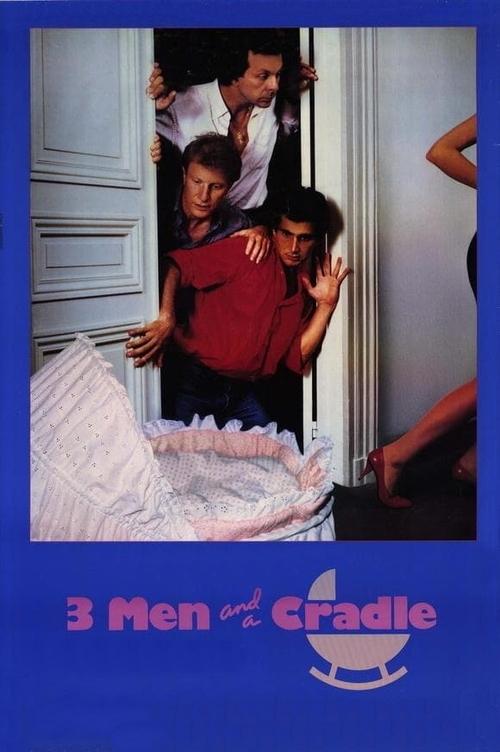
Three young men - Jacques, Pierre, and Michel - share an apartment in Paris, and have many girlfriends and parties. Once, during a party, a friend of Jacques' tells him he has a quite compromising package to deliver, and asks him if he can leave it discreetly at their place. Jacques agrees and, as he works as a steward, flies away for a one-month trip in Japan, telling Pierre and Michel about the package. Then, one of Jacques' former girlfriends drops a baby before their door, making Pierre and Michel believing it is the package they are waiting for. Their lives are then completely changed.
2018

1965

1990

1986

2018

1996

1981

1987
No reviews yet. Be the first to share your thoughts on this movie!
Use the rating form above to leave a star rating and optional review.