
Joint Custody
2017
No user ratings available yet
Representation score: 4.4 out of 10

Representation Score
Fair
2020
Director
Petr Zahrádka
Runtime
109 minutes
Average Rating
No ratings yetNew Showbiz Analysis
Joint Custody is a gender-centric comedy that disrupts traditional power structures. By empowering female characters as the primary agents of change, the film shifts the focus away from the male protagonist. However, the film's scope is narrow, lacking meaningful representation regarding race, ethnicity, or LGBTQ+ identities. It remains centered in a homogeneous European social context. While it challenges traditional family units, it does so through a specific, limited lens. Ultimately, the film succeeds in subverting patriarchal roles but falls short in providing a broad spectrum of diversity.
Category Breakdown
The film focuses on a heterosexual relationship and does not include any characters with LGBTQ+ identities.
The story challenges traditional gender roles by making women the main drivers of change. It places the male protagonist under the guidance of female characters.
The production seems to center around a homogeneous European context without showing a diverse or multi-ethnic cast.
The narrative questions the sanctity of the nuclear family and traditional marital fidelity, prioritizing situational ethics over conventional moral or religious values.
There are no visible or invisible disabilities depicted within the character arcs or the central plot.
Present on Screen
Limited or Absent
Official Synopsis
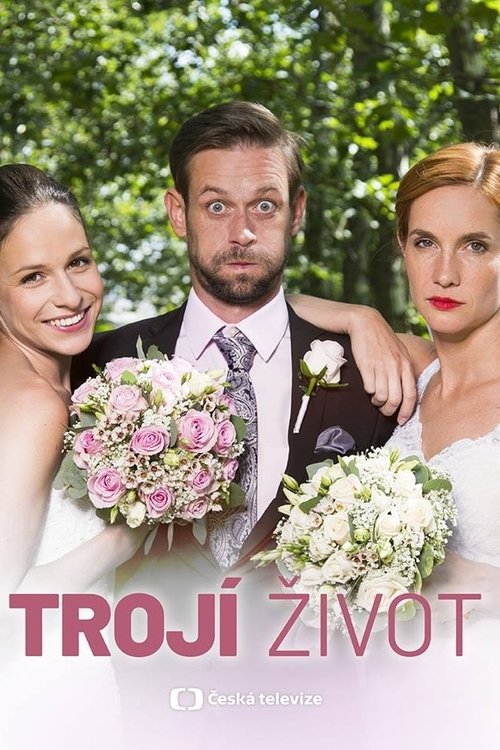
Happily married for fifteen years, Zuzana finds out one day that her husband has been having an affair with another woman for a long time. Zuzana does not hesitate and decides to visit her daughter-in-law Lenka and make her an unconventional proposal - she suggests that she share the care of Jirka and turn him into a man for a change. Lenka finally agrees and both women introduce this new way of life to Jirka.
2017
2020

2009

2011

2016

2017
2018

2012
No reviews yet. Be the first to share your thoughts on this movie!
Use the rating form above to leave a star rating and optional review.