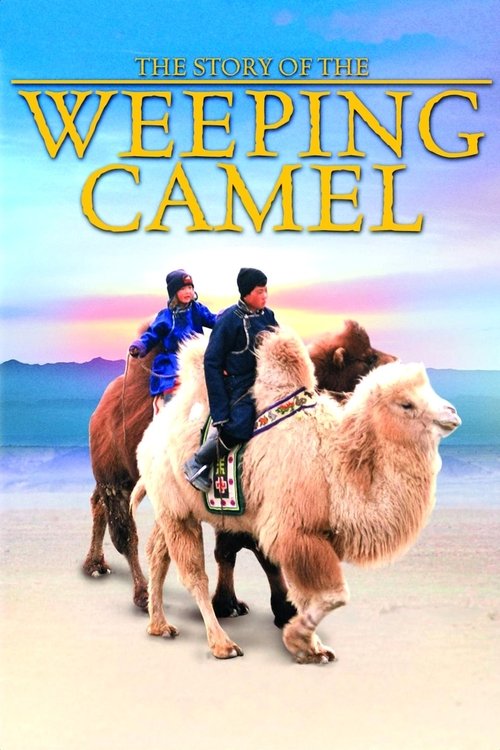
The Story of the Weeping Camel
2004
No user ratings available yet
Diversity score: 7.1 out of 10
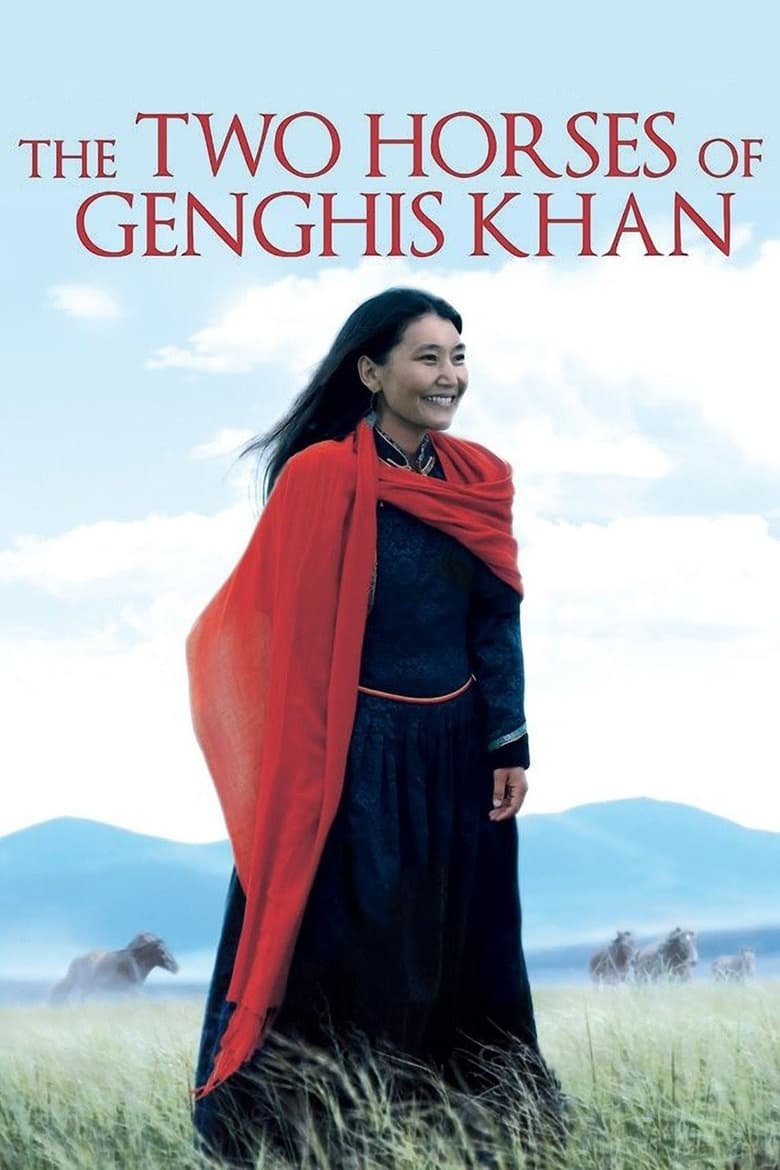
2009
Director
Byambasuren Davaa
Runtime
90 minutes
Average Rating
No ratings yetSynopsis
An old, broken morin khurr (horse head fiddle) compels renowned Mongolian singer Urna Chahar Tugchi to take a road journey to Ulan Bator and the steppes of Mongolia.
Overall Score
Good
Category Breakdown
LGBTQ+ Representation
The film focuses on the seasonal rhythms of nomadic life and musical heritage. It contains no depictions of non-heteronormative identities.
Gender Representation
The narrative highlights female agency by centering the labor and intellect of nomadic mothers. It disrupts tropes of passivity by showing women managing essential household and livestock survival.
Racial & Ethnic Diversity
The film excels in ethnic authenticity, featuring a predominantly Mongolian cast. It avoids a touristic gaze, presenting a lived experience that resists cultural homogenization.
Religious & Cultural Diversity
The work presents a lifestyle outside Western industrial and religious frameworks. It depicts animistic spiritual practices and a subsistence economy that prioritizes a symbiotic relationship with nature.
Disability Representation
There is no significant focus on visible or invisible disabilities within the documentary footage.
Strengths
Areas for Improvement
AI Analysis
The film is a profound exercise in cultural stewardship, offering a sophisticated view of Mongolian life that resists Western-centric tropes. It succeeds by presenting indigenous knowledge and nomadic survival as a complete, complex reality rather than a primitive curiosity. While the documentary lacks engagement with contemporary identity politics or LGBTQ+ themes, its strength lies in its ethnographic precision. The focus on the morin khurr serves as a powerful anchor for cultural identity. Ultimately, the film provides a necessary counter-narrative to global cinema's tendency to homogenize non-Western cultures, prioritizing authentic lived experience over consumerist frameworks.
2004
1999

2009
2015
2020
2005
No reviews yet. Be the first to share your thoughts on this movie!
Use the rating form above to leave a star rating and optional review.