
Kina & Yuk
2023
No user ratings available yet
Representation score: 3.5 out of 10
Representation Score
Limited
1978
GDirector
Koreyoshi Kurahara
Runtime
116 minutes
Average Rating
No ratings yetNew Showbiz Analysis
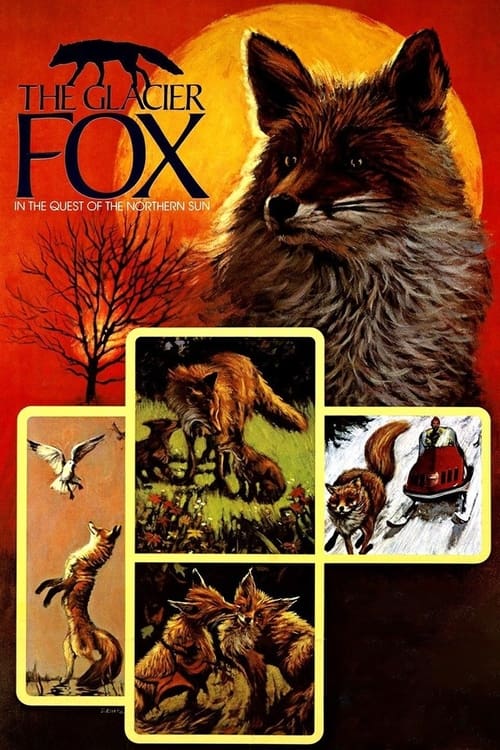
The Glacier Fox offers a compelling ecological perspective by centering the ability to act of non-human subjects. It shifts the narrative focus away from human-centric hierarchies to explore the raw survival instincts of foxes in Hokkaido. By framing human technological advancement as a systemic threat rather than a civilizing force, the film provides a subtle critique of industrial encroachment. This approach allows the natural world to mirror complex power dynamics without relying on human social structures. Since the subjects are animals, traditional identity politics do not apply. However, the film's strength lies in its ability to challenge anthropocentric views through its portrayal of environmental necessity and biological imperatives.
Category Breakdown
The film shows a monogamous relationship between Flep and Leila, which follows traditional mating structures but offers a unique biological perspective on partnership.
Flep asserts dominance through combat, while Leila drives the reproductive and nurturing aspects of the plot. The film avoids depicting Leila as submissive and highlights her functional role in survival.
As a nature-based documentary-drama focusing on animal subjects, there are no human racial or ethnic demographics to evaluate.
The film critiques human industry, such as chicken farms and snowmobiles, as a systemic threat to nature. It emphasizes a non-human perspective that questions the expansion of industrial modernity.
The film focuses on the physical vitality needed for survival and does not depict neurodivergence or intentional disability representation.
Present on Screen
Limited or Absent
Official Synopsis
Director Koreyoshi Kurahara chronicles a year in the lives of Flep and Leila, two foxes living in Hokkaido, Japan's northernmost island, where the freezing winters are long and the mild summers short. After Flep defeats another male fox to become Leila's lifelong partner, they mate and raise a litter of five kits. With their family complete, the group must contend with human interference in their habitat, such as chicken farms and snowmobiles, and struggle against the debilitating cold of winter. The animals experience both triumph and tragedy, as the law of this harsh land proves – only the strong survive.
2023
2007
2024
2016
1950
2014

1970
1987
No reviews yet. Be the first to share your thoughts on this movie!
Use the rating form above to leave a star rating and optional review.