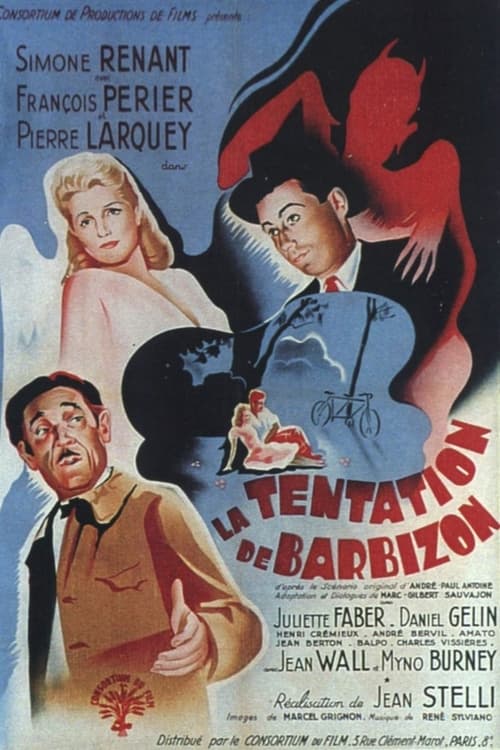
The Temptation of Barbizon
1946
No user ratings available yet
Diversity score: 3.1 out of 10
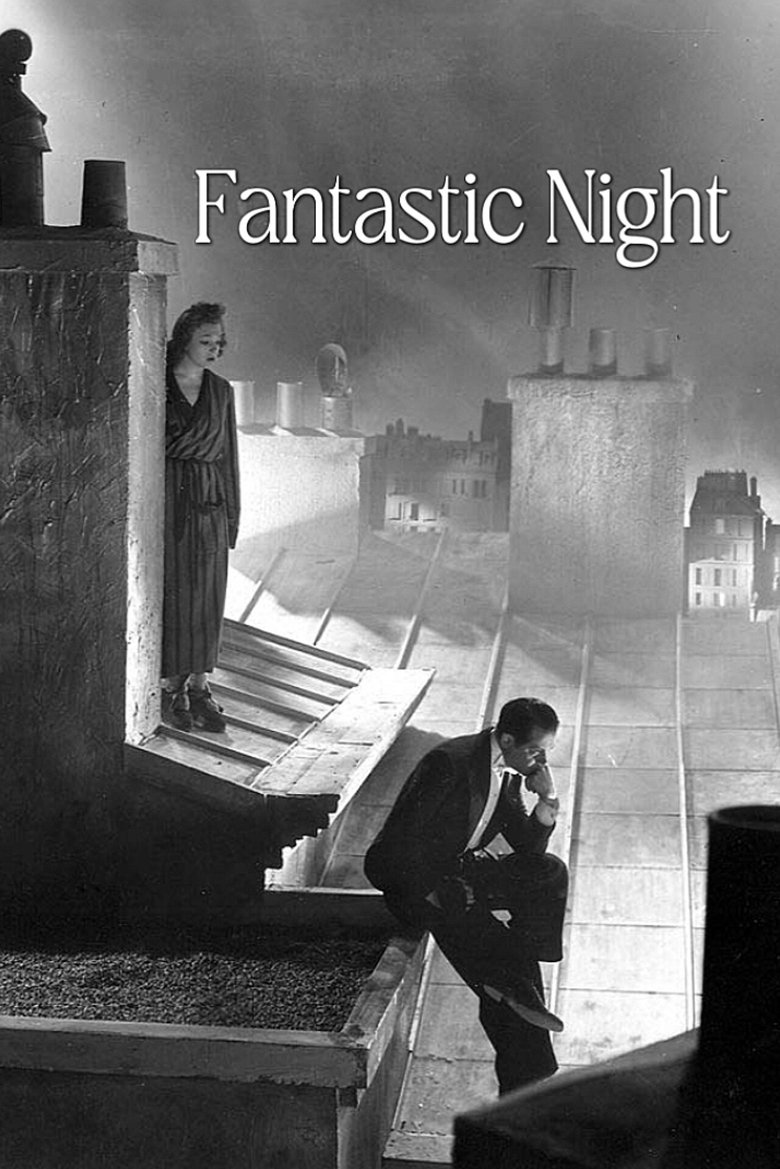
1942
Director
Marcel L'Herbier
Runtime
90 minutes
Average Rating
No ratings yetSynopsis
Denis, a poor student in philosophy, works as a night porter in the Paris market of Les Halles in order to pay for his studies. Constantly weary, he falls asleep and dreams of a beautiful girl in white, Irène, with whom he falls in love.
Overall Score
Fair
Category Breakdown
LGBTQ+ Representation
The film follows a traditional romantic structure centered on a heterosexual connection. There is no explicit evidence of queer subtext or non-heteronormative identities.
Gender Representation
The story revolves around a male protagonist's pursuit of an idealized female figure. While Irène acts as an emotional catalyst, the dynamic remains rooted in conventional romantic tropes.
Racial & Ethnic Diversity
The setting in the Les Halles market suggests a cast reflective of 1942 French demographics. The narrative lacks evidence of a multi-ethnic cast or diverse ethnic representation.
Religious & Cultural Diversity
The film explores the tension between economic hardship and intellectual aspiration. It uses dreamscapes to prioritize subjective truth over the material constraints of the protagonist's class.
Disability Representation
The narrative contains no mention of characters navigating physical, sensory, or neurodivergent experiences.
Strengths
Areas for Improvement
AI Analysis
Marcel L'Herbier’s film is a character-driven study of class and subjectivity. It prioritizes the internal psychological experience of a philosophy student over the rigid social structures of 1942 Paris. While the film lacks modern intersectional breadth, its focus on the dream state allows for a departure from grounded social hierarchies. This creates a narrative architecture centered on individual perception. Ultimately, the work adheres to the demographic and romantic conventions of its era, focusing more on philosophical struggle than on diverse social representation.
1946

1948
1936
1938
1934
No reviews yet. Be the first to share your thoughts on this movie!
Use the rating form above to leave a star rating and optional review.