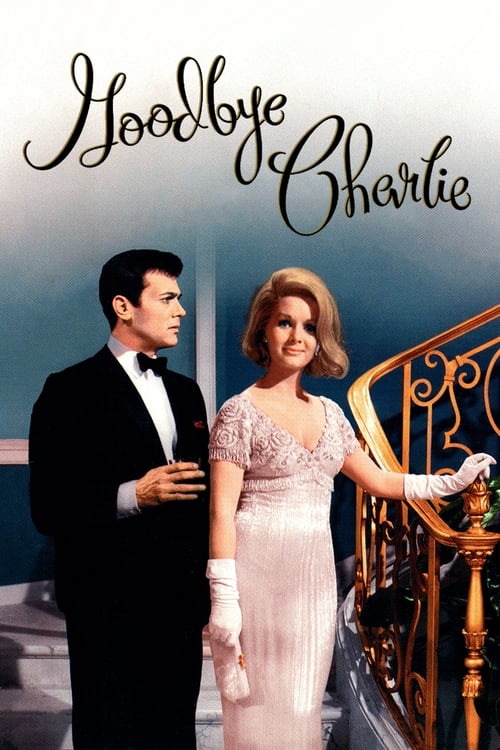
Goodbye Charlie
1964
No user ratings available yet
Representation score: 4.3 out of 10

Representation Score
Fair
1936
ApprovedDirector
Max Ophüls
Runtime
69 minutes
Average Rating
No ratings yetNew Showbiz Analysis
The film prioritizes psychological and emotional complexity over broad demographic representation. It uses a fantasy framework to challenge traditional social milestones, particularly the sanctity of marriage. While the narrative offers a sophisticated critique of conventional social hierarchies, it lacks diversity in identity representation. The focus remains on individual emotional autonomy rather than broader demographic inclusion. Ultimately, the work functions as a character study of emotional independence, though it remains rooted in the demographic limitations of its era.
Category Breakdown
The film explores the fluidity of desire through ghosts revisiting past romantic entanglements. Although it doesn't explicitly depict non-straight relationships, the focus on complex romantic histories suggests a departure from traditional linear courtship.
The narrative centers on the ability to act of Annette and her daughter, Line. By emphasizing female emotional autonomy, the film avoids passive female stereotypes.
The film likely reflects the homogeneous demographic norms of 1936 French cinema. There is no evidence of multiculturalism or intentional racial diversity in the production.
Supernatural elements are used to critique the social institution of marriage. The story challenges traditional domestic structures by framing marriage as a potential source of regret.
There is no information available regarding the portrayal of physical or neurodivergent characters in this film.
Present on Screen
Limited or Absent
Official Synopsis
Line, Annette's daughter, is about to marry a man she's not in love with. At the engagement party three ghosts revisit their disastrous relationships with Annette and decide to take action to help Line.
1964
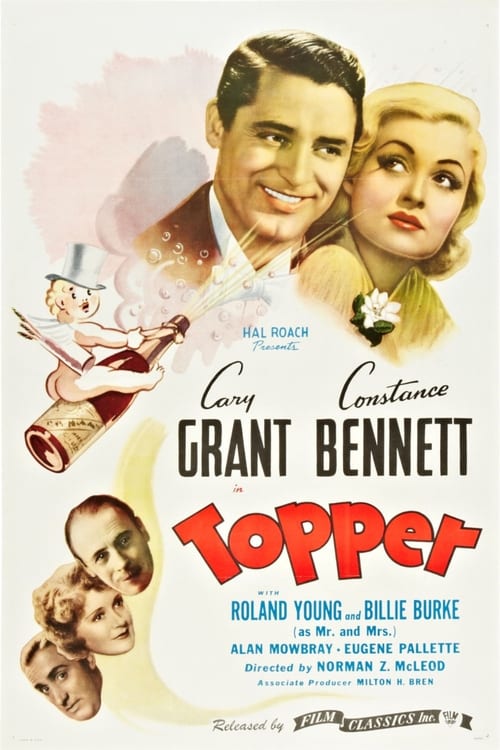
1937
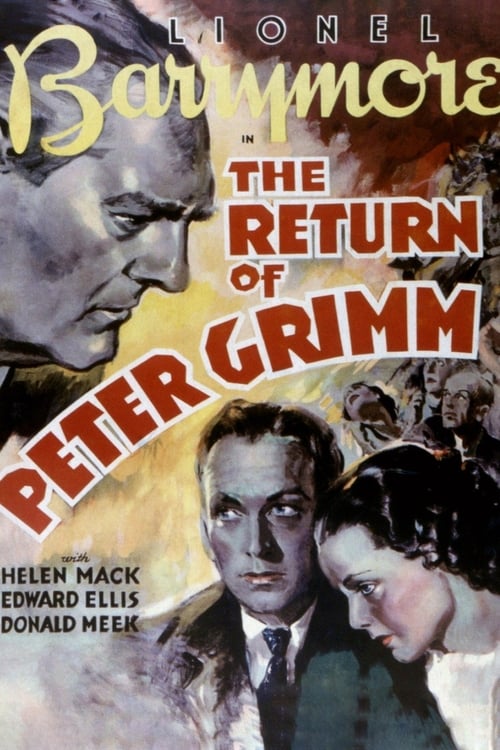
1935
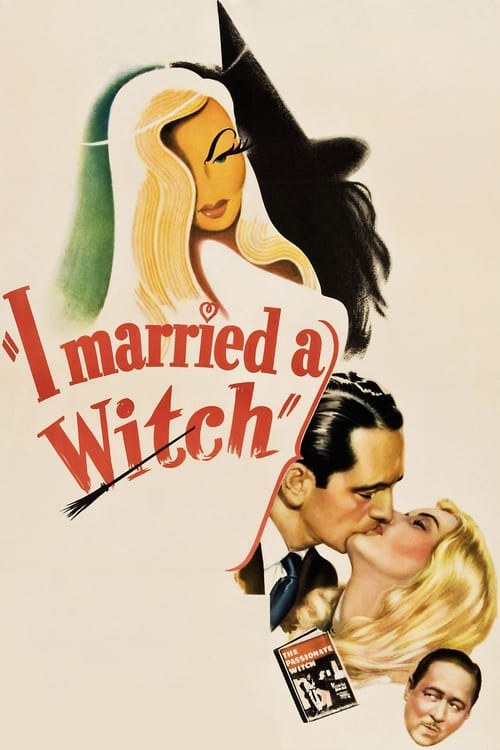
1942

1991

1976

1948

1958
No reviews yet. Be the first to share your thoughts on this movie!
Use the rating form above to leave a star rating and optional review.