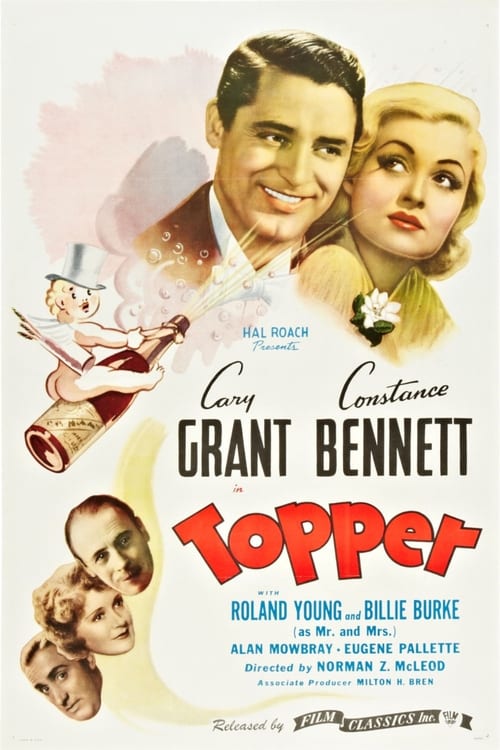
Topper
1937
No user ratings available yet
Representation score: 0.8 out of 10
Representation Score
Minimal
1938
ApprovedDirector
Norman Z. McLeod
Runtime
80 minutes
Average Rating
No ratings yetNew Showbiz Analysis
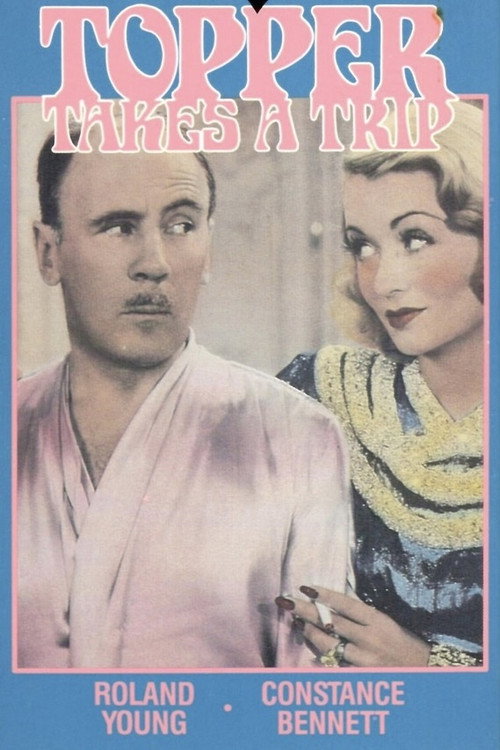
Topper Takes a Trip is a classic 1930s screwball comedy that uses supernatural elements to disrupt social norms while ultimately reinforcing traditional hierarchies. The film lacks depth in representing diverse identities, focusing instead on the comedic tension between the living and the dead within a traditional social setting. It prioritizes romantic reconciliation and the stability of the family unit over more diverse relationship models. Women in the film showcase sharp wit and verbal skills, but the story's core remains rooted in the era's typical Hollywood casting and social values, offering limited representation beyond a homogeneous, upper-class white perspective.
Category Breakdown
The film does not include any identifiable LGBTQ+ characters or non-cisgender identities. Romantic storylines focus solely on heterosexual relationships, and supernatural elements do not connect with queer themes.
Female characters display significant wit and verbal skills, often driving the comedic energy. However, the story's conclusion emphasizes traditional domestic life by prioritizing the stability of marriage.
The film features a predominantly white cast, with very few exceptions. French characters appear but mainly serve as exoticized backgrounds without substantial roles.
The story highlights Western high-society values and capitalist leisure activities. It emphasizes the preservation of the family unit and social status without critiquing institutional power structures.
No visible or hidden disabilities are shown. Characters are depicted as able-bodied socialites, and no characters with disabilities are used as plot devices or subjects of ridicule.
Present on Screen
Limited or Absent
Official Synopsis
Mrs. Topper's friend Mrs. Parkhurst has convinced Mrs Topper to file for a divorce from Cosmo due to the strange circumstances of his trip with ghost Marion Kirby. Marion comes back from heaven's door to help Cosmo again, this time only with dog Mr. Atlas. Due to a strange behavior of Cosmo, the judge refuses to divorce them, so Mrs. Parkhurst takes Mrs. Topper on a trip to France where she tries to arrange the final reasons for the divorce. With help of a gold-digging French baron, Marion takes Cosmo to the same hotel to bring them back together and to get her own final ticket to heaven, but the whole thing turns out to be not too easy.
1937
1941
1982
1942
1946
1943
1948
1942
No reviews yet. Be the first to share your thoughts on this movie!
Use the rating form above to leave a star rating and optional review.