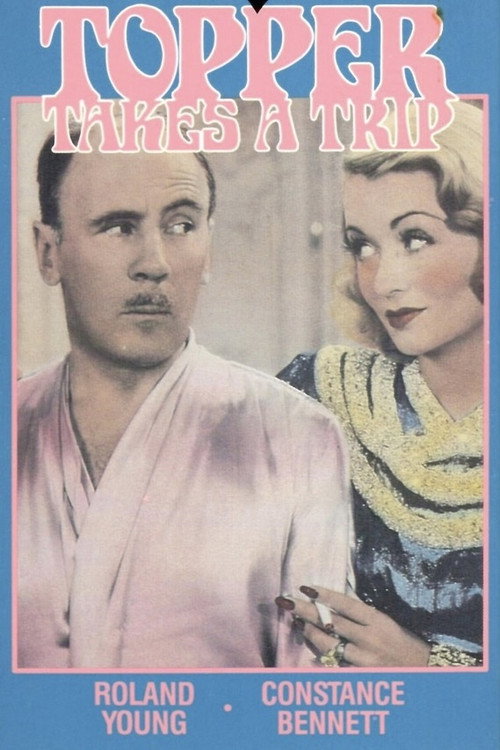
Topper Takes a Trip
1938
No user ratings available yet
Representation score: 0.8 out of 10
Representation Score
Limited
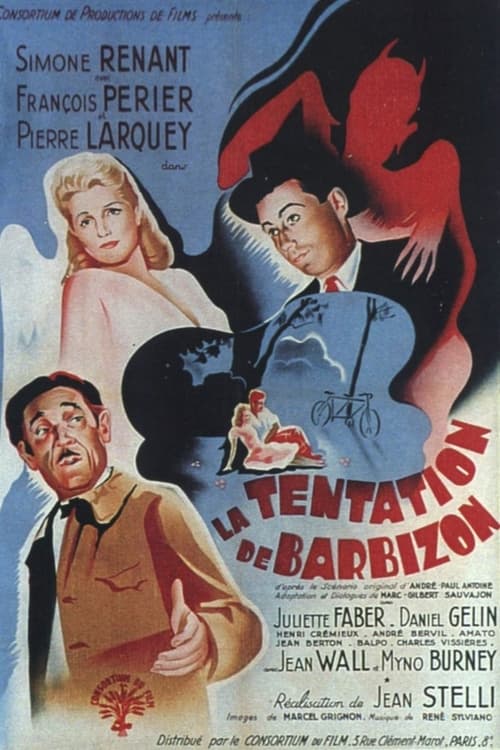
1946
Director
Jean Stelli
Runtime
100 minutes
Average Rating
No ratings yetNew Showbiz Analysis
The film is a typical romantic fantasy of its time, reinforcing traditional hierarchies. It centers on a celestial conflict over a conventional romantic relationship, offering little social critique. The narrative structure relies on established theological and romantic clichés from the 1940s. It lacks the complexity needed to challenge the status quo of its era. Ultimately, the work explores supernatural interference in human romance using traditional mid-century French social values.
Category Breakdown
The story revolves around a heterosexual couple on their honeymoon. There are no representations of LGBTQ+ identities or critiques of heterosexuality.
The film leans on traditional 1940s romantic clichés. Gender roles follow the conventions of the time without giving much ability to act to the characters.
The production reflects its post-war French setting with a likely homogeneous European cast. There are no diverse casting choices or racial metaphors.
The plot uses a classic theological framework of Heaven versus Hell. It serves as a traditional religious allegory without social critique.
There are no characters with visible or invisible disabilities in the narrative.
Present on Screen
Limited or Absent
Official Synopsis
Daniel Gelin and Juliette Faber star as a blissfully happy honeymooning couple. They are so happy that they arouse the jealous attentions of Satan. The Dark Prince sends an emissary to beak up the romance, but his advocate is promptly challenged by a representative from "up above."
1938
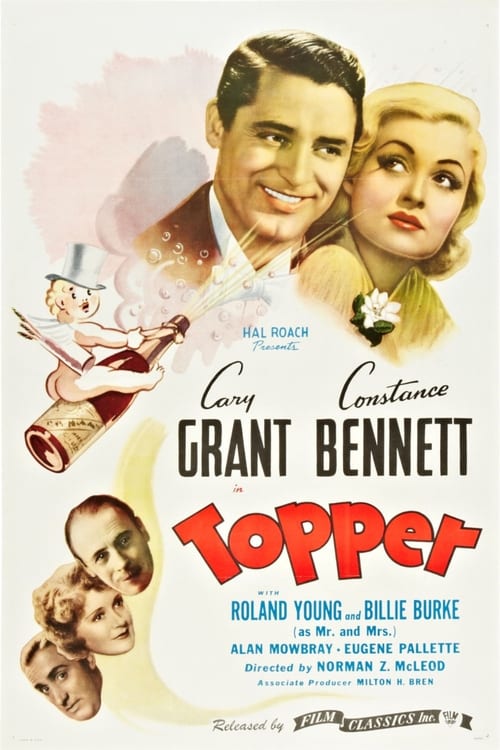
1937
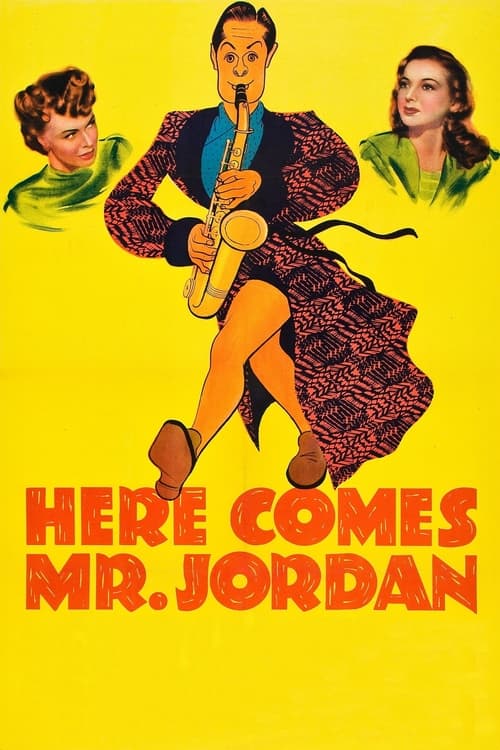
1941
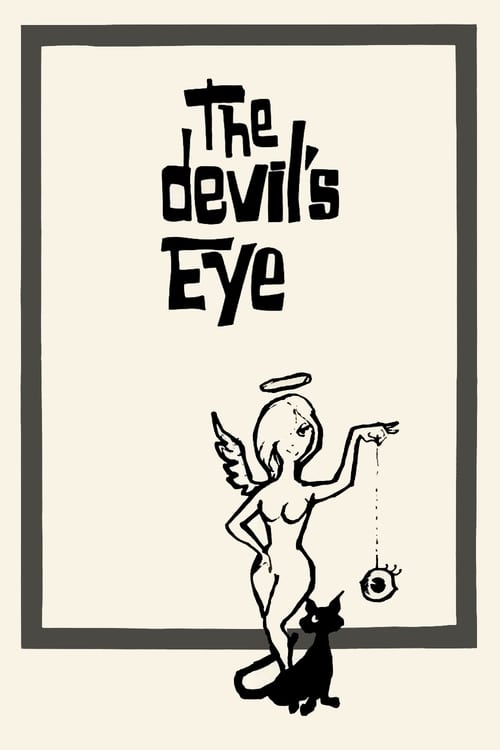
1960
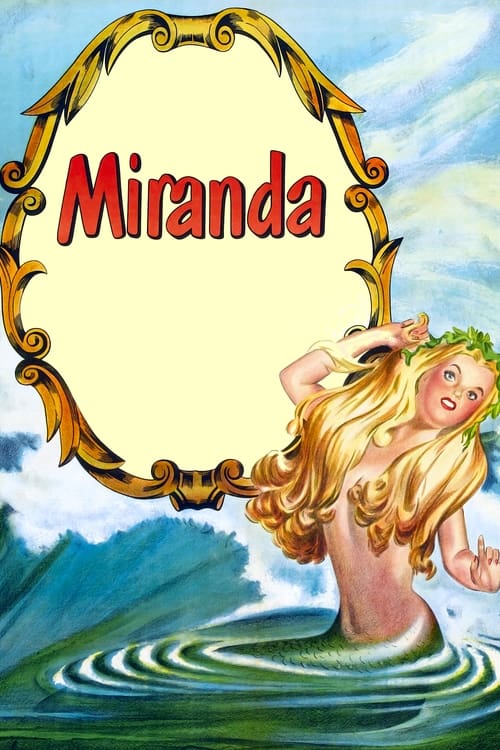
1948
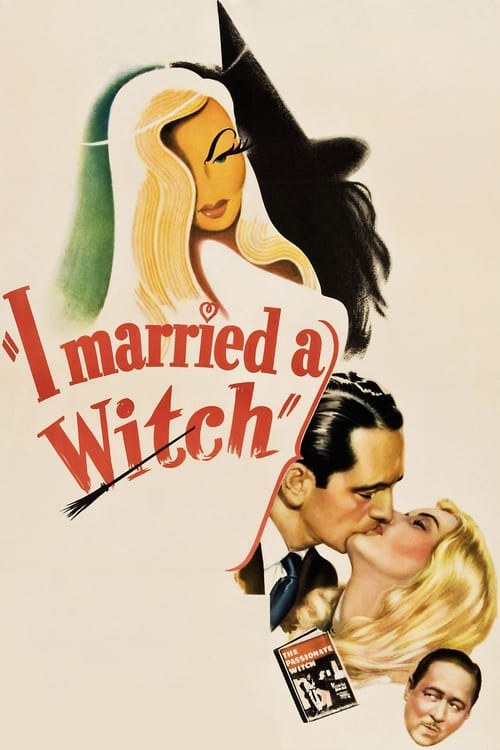
1942

2000
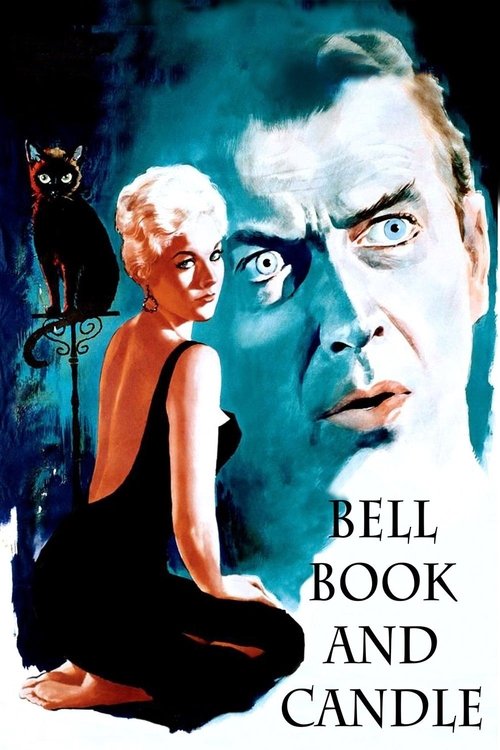
1958
No reviews yet. Be the first to share your thoughts on this movie!
Use the rating form above to leave a star rating and optional review.