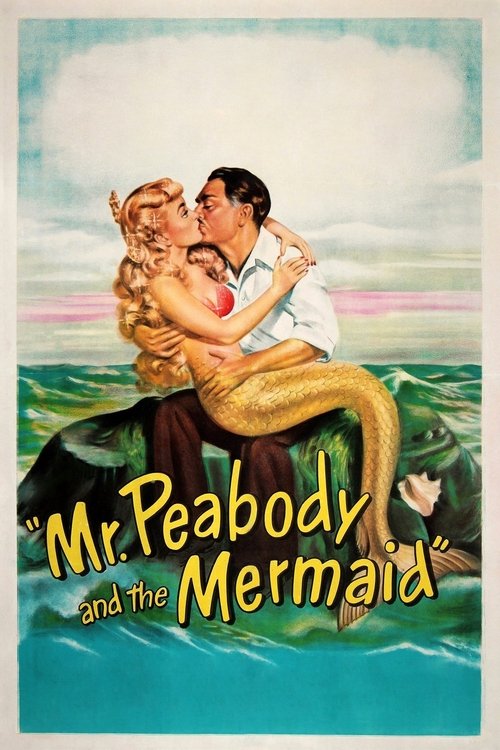
Mr. Peabody and the Mermaid
1948
No user ratings available yet
Representation score: 1.6 out of 10

Representation Score
Limited
1948
NRDirector
Ken Annakin
Runtime
80 minutes
Average Rating
No ratings yetNew Showbiz Analysis
Miranda is a quintessential mid-century fantasy-romance that prioritizes whimsical escapism over social critique. The plot relies on established genre clichés, centering the experience on a male protagonist and a mythical female entity within a traditional romantic framework. The film's architecture reflects the era's standard social hierarchies. It lacks representation of diverse identities, focusing instead on conventional romantic pairings and a Western-centric worldview typical of 1948 British cinema. Ultimately, the film functions as a period-specific comedy that reinforces rather than challenges the social norms of its time.
Category Breakdown
The film adheres to the heterosexual and cisgender norms typical of 1948 cinema. There is no indication of LGBTQ+ identities or any disruption of traditional sexual norms.
The story centers around a male doctor who discovers a female mermaid. While the mermaid takes control by requesting a trip to London, she mainly serves as a romantic catalyst for the male protagonist.
The film likely reflects the homogeneous casting standards of the post-war British film industry. The setting and era suggest a narrative structure centered on Western, Anglo-Saxon norms.
The story uses fantasy to celebrate Western urbanity through a journey to London. It reinforces traditional social structures rather than offering any critique of Western-centric storytelling.
The film provides no mention of characters navigating physical, sensory, or neurodivergent conditions. No specific characters are identified as having disabilities.
Present on Screen
Limited or Absent
Official Synopsis
A young married physician discovers a mermaid, and gives into her request to be taken to see London. Comedy and romantic entanglements ensue.
1948
1937
1938

1958
1946
1942
1954
1947
No reviews yet. Be the first to share your thoughts on this movie!
Use the rating form above to leave a star rating and optional review.