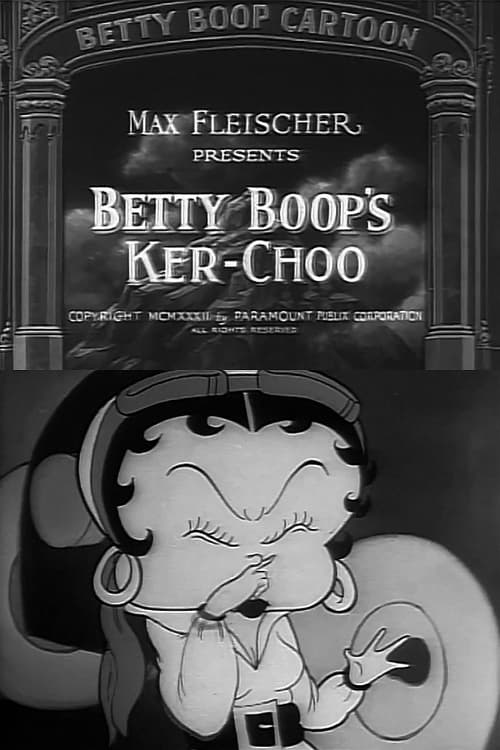
Betty Boop's Ker-Choo
1933
No user ratings available yet
Representation score: 0.4 out of 10
Representation Score
Minimal
1932
Director
Dave Fleischer
Runtime
8 minutes
Average Rating
No ratings yetNew Showbiz Analysis
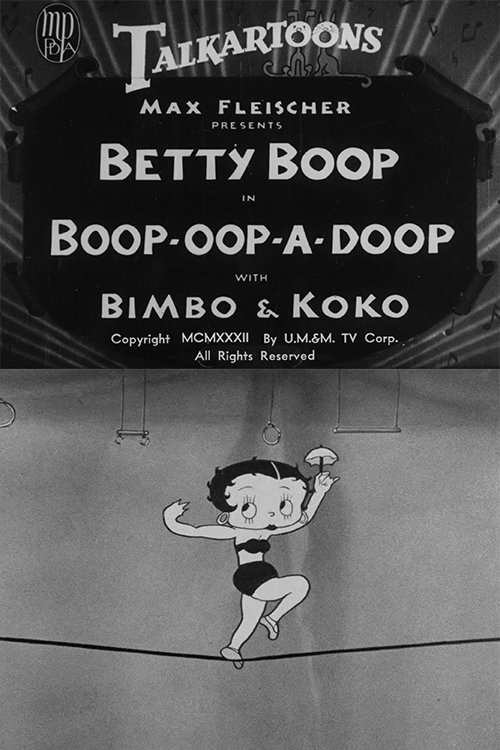
Boop-Oop-A-Doop functions as a musical character study rooted in early 20th-century clichés. While Betty Boop shows some physical independence through her circus role, the story ultimately serves the male gaze. The production lacks any intentionality regarding characters who reflect more than one aspect of diversity. Character casting is homogeneous, and the narrative structure reinforces the social hierarchies and gendered power dynamics of the 1930s. Ultimately, the film acts as a product of its era, prioritizing traditional comedic structures over any systemic critique or diverse characterization.
Category Breakdown
The film does not include any LGBTQ+ characters or non-cisgender identities. The interpersonal dynamics focus solely on heterosexual attraction and traditional gender roles.
Betty Boop displays physical independence as a lion tamer, yet the plot reinforces traditional gender hierarchies. The narrative remains centered on the male gaze and the pursuit by a lecherous ringmaster.
Character designs are uniform and lack intentional racial diversity. The stylized circus setting provides no meaningful ethnic or characters who reflect more than one aspect of diversity.
The short adheres to 1930s Western entertainment structures. It follows standard comedic clichés that reinforce rather than challenge the social norms of the period.
No visible or invisible disabilities are portrayed. Characters function as archetypal cartoon figures without addressing neurodivergence or physical disability.
Present on Screen
Limited or Absent
Official Synopsis
In the circus, Betty Boop is the lion tamer, sings the title tune on the high wire, and fights off the lecherous ringmaster.
1933
1937
1935
1935
1936
1934
1938
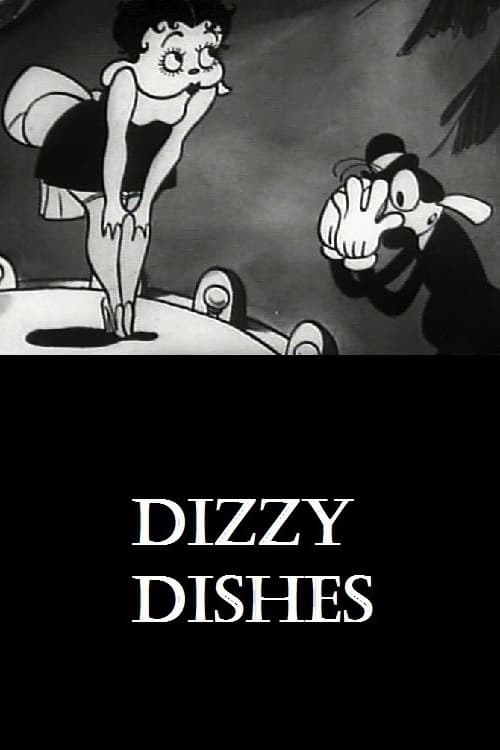
1930
No reviews yet. Be the first to share your thoughts on this movie!
Use the rating form above to leave a star rating and optional review.