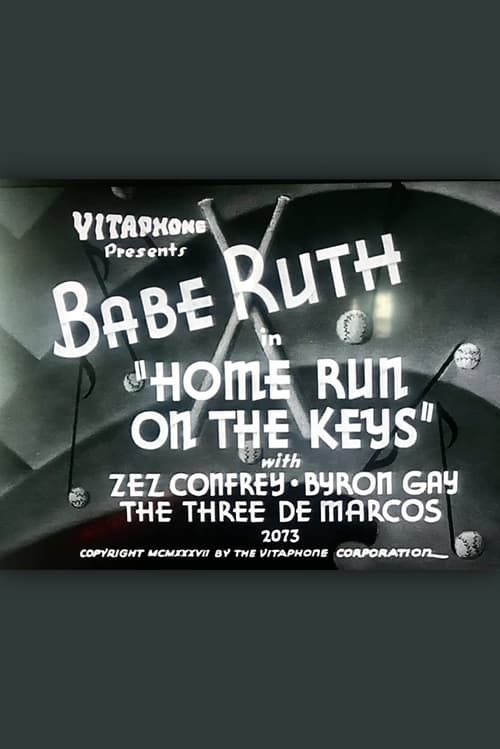
Home Run on the Keys
1937
No user ratings available yet
Diversity score: 2.2 out of 10
No Poster Available
1934
ApprovedDirector
Roy Mack
Runtime
22 minutes
Average Rating
No ratings yetSynopsis
In this Broadway Brevity short, a soda jerk/songwriter dreams (literally) of performing his songs on Broadway.
Overall Score
Limited
Category Breakdown
LGBTQ+ Representation
The film focuses on a single male protagonist and his personal musical aspirations. There is no evidence of non-cisnormative identities or narratives that challenge heteronormativity.
Gender Representation
The story centers on the individual ambition of a male songwriter. Female characters appear to be relegated to secondary or decorative roles without significant narrative agency.
Racial & Ethnic Diversity
The production likely features a homogeneous cast typical of the 1930s. There is no indication of characters of color driving the plot or participating in the narrative.
Religious & Cultural Diversity
The film explores the American Dream through themes of upward mobility and musical success. It celebrates standard social structures and Western ideals of meritocracy.
Disability Representation
The narrative contains no evidence of disability, neurodivergence, or chronic illness as central elements of character development.
Strengths
Areas for Improvement
AI Analysis
This 1934 musical short functions as a traditional period piece, reflecting the social hierarchies and conventional norms of the early sound era. The narrative is driven by a singular male protagonist, which limits the scope of representation for other identities. The film prioritizes individualistic achievement and standard musical tropes. It offers little disruption to the established social or cultural frameworks of the time, focusing instead on a narrow vision of personal success. Overall, the work lacks meaningful diversity, adhering to the homogeneous casting and gendered roles common in mainstream cinema of the 1930s.
1937
1932
1934
1938
1935

1940
1933

1946
1933
1937
1948
1935
No reviews yet. Be the first to share your thoughts on this movie!
Use the rating form above to leave a star rating and optional review.