
Japanese Devils
2001
No user ratings available yet
Representation score: 5.0 out of 10
Representation Score
Excellent
1995
Director
Byun Young-joo
Runtime
93 minutes
Average Rating
No ratings yetNew Showbiz Analysis
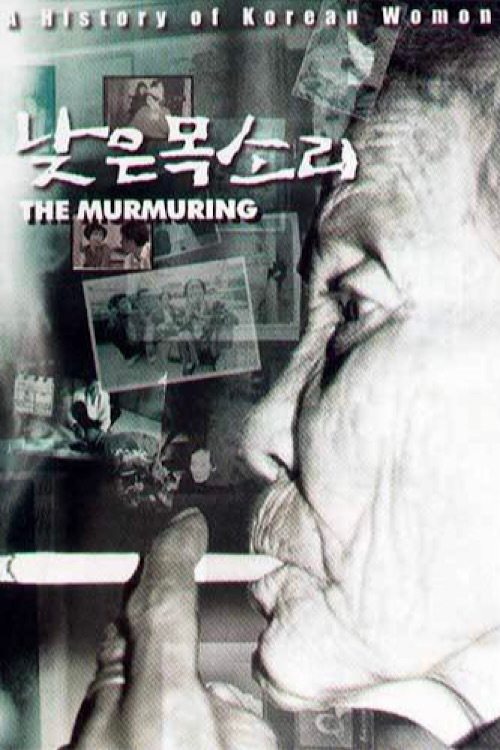
The Murmuring is a vital piece of post-colonial storytelling that transforms personal trauma into a collective political movement. It succeeds by centering the experiences of women within a historical context of systemic violence. The film's primary strength lies in its multi-layered approach, linking race, nationality, and gender. By focusing on the survivors' fight for indemnity and apology, it challenges the integrity of traditional state institutions. However, the narrative's narrow focus on gendered historical trauma means it lacks representation for LGBTQ+ identities. The exploration of disability is also limited to the psychological effects of trauma rather than physical or neurodivergent diversity.
Category Breakdown
The film focuses on the historical trauma of 'comfort women' and female bodily autonomy. It does not explicitly depict LGBTQ+ identities or non-straight relationships.
The documentary challenges traditional gender roles by highlighting the resilience and intelligence of women. It portrays survivors as active participants demanding political accountability rather than passive victims.
This work offers a deep exploration of Asian identity in the face of imperialist aggression. It centers Korean women to provide a necessary counter-narrative to dominant historical accounts.
The narrative critiques state institutions and nationalistic impunity through a framework of restorative justice. It prioritizes underrepresented truths over official imperialist histories.
While physical disabilities are not the focus, the film explores the psychological scars of sexual violence. The struggle against forced silence highlights the long-term mental health impacts of trauma.
Present on Screen
Limited or Absent
Official Synopsis
Every Wednesday at noon, women who were kidnapped for sexual purpose by the Japanese army during its imperialism and their supporters demonstrate against Japanese government to request official apology and indemnity for their crimes. This documentary portrays sexually abused old women's suppressed story of overcoming of their shame and forced silence.
2001

2012
2017

2011
2016

1971

2010
2017
No reviews yet. Be the first to share your thoughts on this movie!
Use the rating form above to leave a star rating and optional review.