The Apology
2016
No user ratings available yet
Representation score: 7.2 out of 10
Representation Score
Good
2017
NRDirector
Guo Ke
Runtime
100 minutes
Average Rating
No ratings yetNew Showbiz Analysis
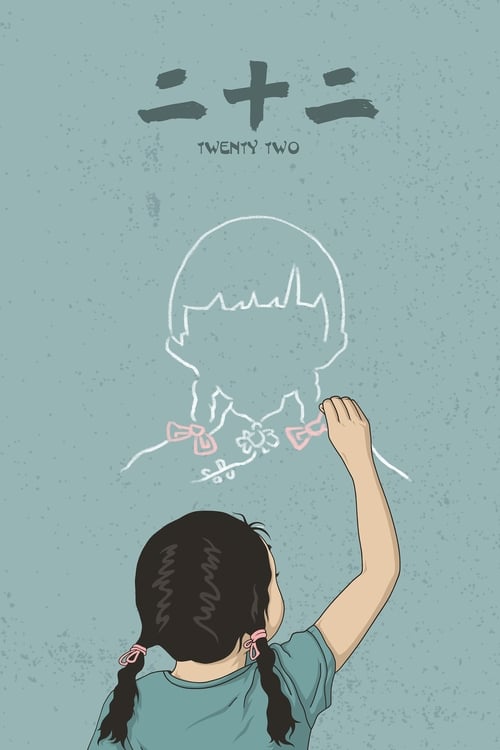
Twenty Two is a profound exercise in testimonial storytelling that challenges conventional historical hierarchies. By centering the final 22 survivors of the 'Comfort Women' system, the film disrupts traditional, state-centric accounts of World War II. The documentary succeeds by prioritizing the ability to act of underrepresented identities, specifically women of color. It replaces the 'victor's history' with a nuanced perspective on systemic wartime brutality and exploitation. While the film excels in reclaiming silenced voices, it does not explicitly address LGBTQ+ themes or contemporary disability advocacy, focusing instead on the historical testimony of the survivors.
Category Breakdown
The documentary focuses on the historical experiences of female survivors of wartime sexual slavery. There is no mention of LGBTQ+ narratives or themes.
The film allows female subjects to take a leading role, serving as primary narrators. This challenges traditional military histories that often sideline female victims.
The narrative centers on Asian women, reclaiming their history from a colonial and imperialist framework. It provides deep ability to act to women of color within a mid-20th-century context.
The film presents an anti-imperialist narrative that critiques historical structures of power. It prioritizes survivor truth over sanitized, official state histories.
The survivors' status as elderly individuals navigating the legacies of trauma places them in a position of vulnerability. The film treats their stories with dignity without focusing on contemporary disability advocacy.
Present on Screen
Limited or Absent
Official Synopsis
Follow the lives of the elderly survivors who were forced into sex slavery as “Comfort Women” by the Japanese during World War II. At the time of filming, only 22 of these women were still alive to tell their story. Through their own personal histories and perspectives, they tell a tale that should never be forgotten to generations unaware of the brutalization that occurred.
2016
1998

2015
2009

2004
1995

2010
2017
No reviews yet. Be the first to share your thoughts on this movie!
Use the rating form above to leave a star rating and optional review.