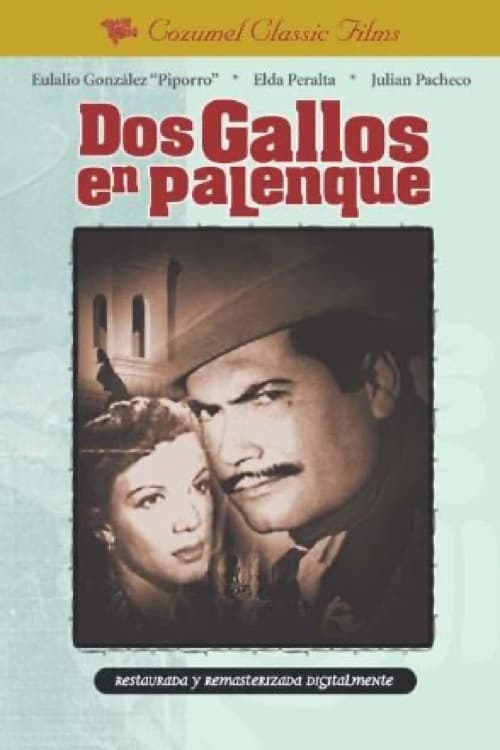
Dos gallos en palenque
1960
No user ratings available yet
Representation score: 2.5 out of 10
Representation Score
Limited
1963
Director
José Ortiz Ramos
Runtime
85 minutes
Average Rating
No ratings yetNew Showbiz Analysis
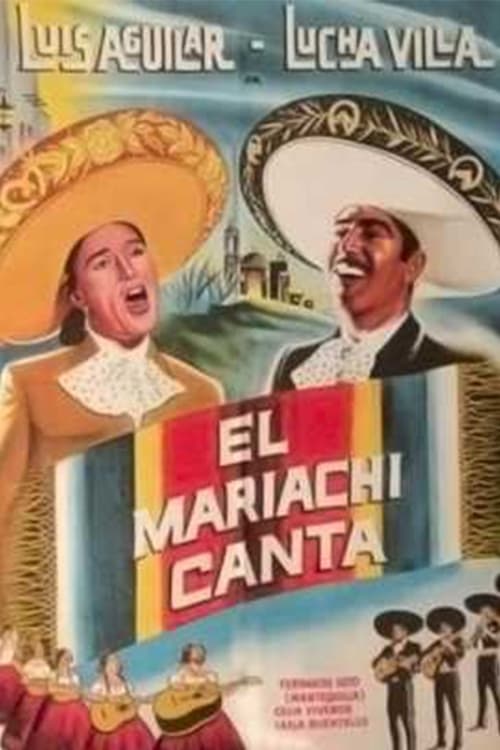
El mariachi canta serves as a culturally specific celebration of Mexican musical traditions. By centering the mariachi ensemble, the film provides significant ethnic specificity and honors regional identity through its core subject matter. However, the narrative remains tied to the social and gendered expectations of 1963. The central conflict relies on traditional romantic clichés, which limits the potential for challenging hierarchies or deeper exploration of individual ability to act. Ultimately, the film prioritizes established cultural archetypes over disrupting social hierarchies, making it a traditional genre piece rather than a progressive social commentary.
Category Breakdown
The film focuses on traditional romantic relationships between male and female band leaders. There is no representation of LGBTQ+ identities or narratives that question the assumption that everyone is straight or cisgender.
A female-led musical ensemble provides a departure from purely male-dominated spaces. However, the women's roles seem tied to romantic competition and traditional gender dynamics.
The film centers on mariachi culture, focusing on non-Anglo-Saxon identities. While ethnically specific, the portrayals likely follow established nationalistic archetypes of the time.
The narrative celebrates traditional Mexican cultural institutions and communal bonds. It functions as a celebration of national identity rather than a critique of social structures.
The film contains no mention of characters with visible or invisible disabilities. No assessment of neurodivergence or physical impairments is possible.
Present on Screen
Limited or Absent
Official Synopsis
Rivalry and romance between the leaders of a male mariachi band and a female one.
1960
1966
1963
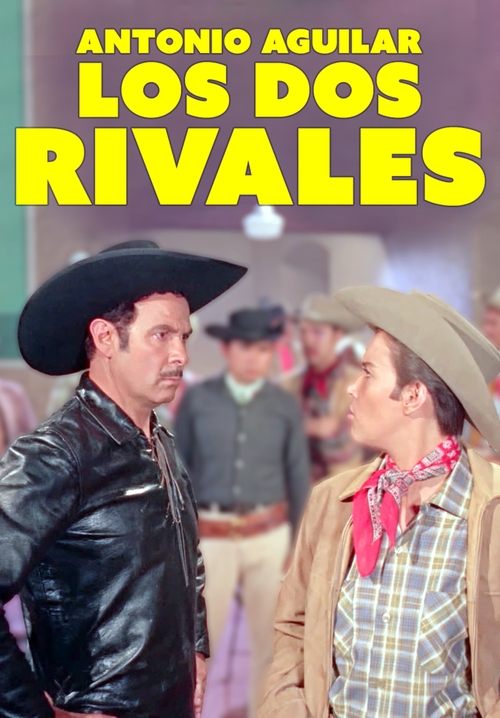
1966

1957
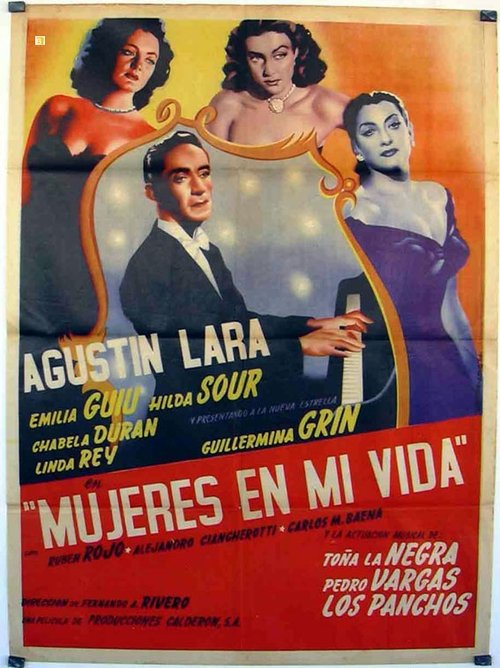
1950
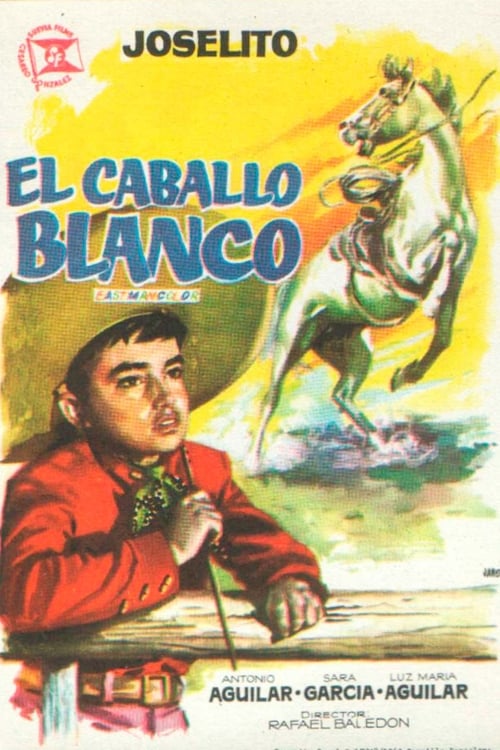
1962
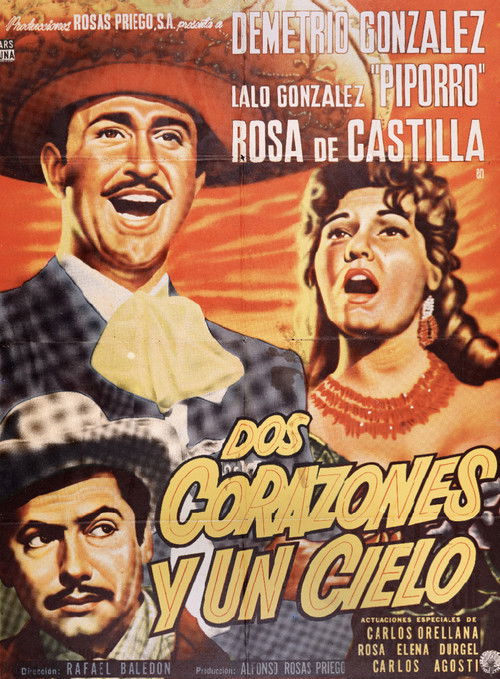
1959
No reviews yet. Be the first to share your thoughts on this movie!
Use the rating form above to leave a star rating and optional review.