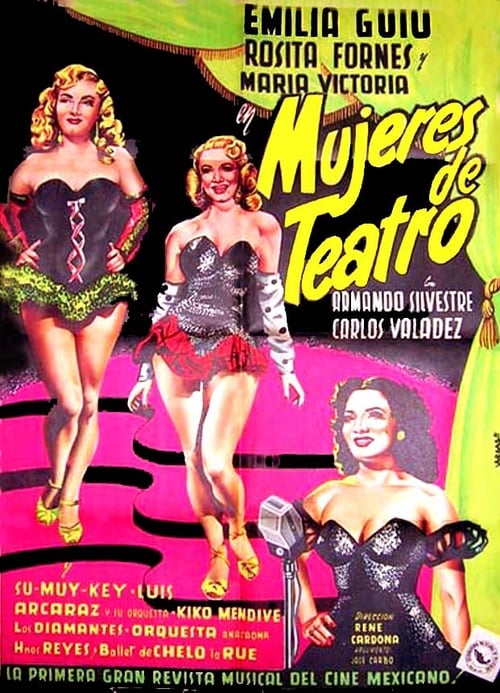
Mujeres de teatro
1951
No user ratings available yet
Representation score: 2.6 out of 10
Representation Score
Limited
1950
Director
Fernando A. Rivero
Runtime
100 minutes
Average Rating
No ratings yetNew Showbiz Analysis
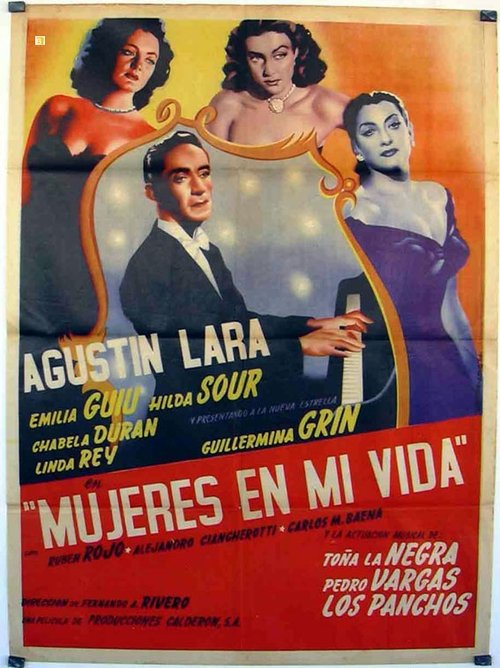
Mujeres en mi Vida is a product of the Golden Age of Mexican cinema, emphasizing established romantic clichés and cultural traditions. The film serves as a celebration of Agustín Lara's musical legacy, which naturally centers the narrative on traditional social hierarchies and gendered archetypes. While the film offers significant representation of Mexican talent and musical heritage, it lacks the structural complexity to challenge social norms. The focus remains on conventional romantic structures rather than diverse or subversive perspectives. Ultimately, the work functions as a period-specific musical melodrama that reinforces the status quo of its era.
Category Breakdown
The film follows the traditional romantic conventions of 1950s musical cinema, focusing on heterosexual relationships. It does not include any representation of LGBTQ+ identities or challenge traditional romantic structures.
Prominent actresses like Emilia Guiú and Hilda Sour play key roles, but the narrative likely positions women primarily as emotional supports for a male lead. This reinforces traditional feminine roles centered around romance.
The film features a predominantly Mestizo and Latin American cast, reflecting a national identity. However, it does not delve into the complexities of intersecting racial identities or challenge ethnic hierarchies.
The movie celebrates traditional Mexican musical heritage and romanticism. It upholds conventional values related to courtship and social behavior without questioning established religious or Western institutions.
There is no mention of characters with physical or neurodivergent disabilities in the film.
Present on Screen
Limited or Absent
Official Synopsis
Mexican romantic musical.
1951

1955
1957
1959

1946
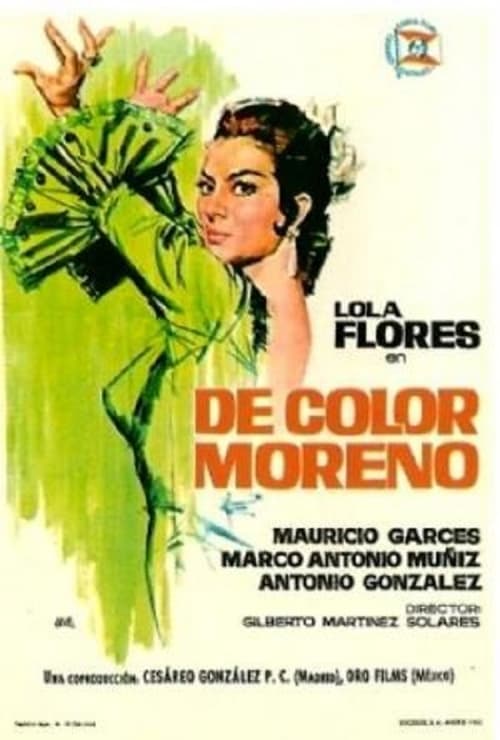
1963

1956

1939
No reviews yet. Be the first to share your thoughts on this movie!
Use the rating form above to leave a star rating and optional review.