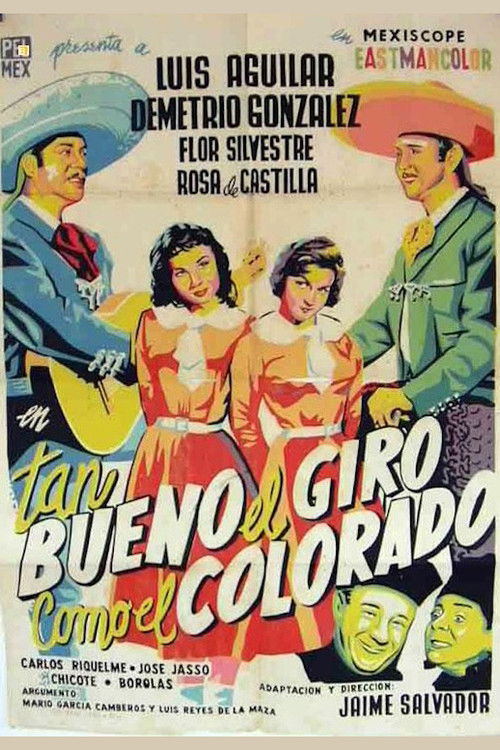
Tan bueno el giro como el colorado
1959
No user ratings available yet
Representation score: 2.7 out of 10
Representation Score
Limited
1966
Director
Miguel Zacarías
Runtime
90 minutes
Average Rating
No ratings yetNew Showbiz Analysis
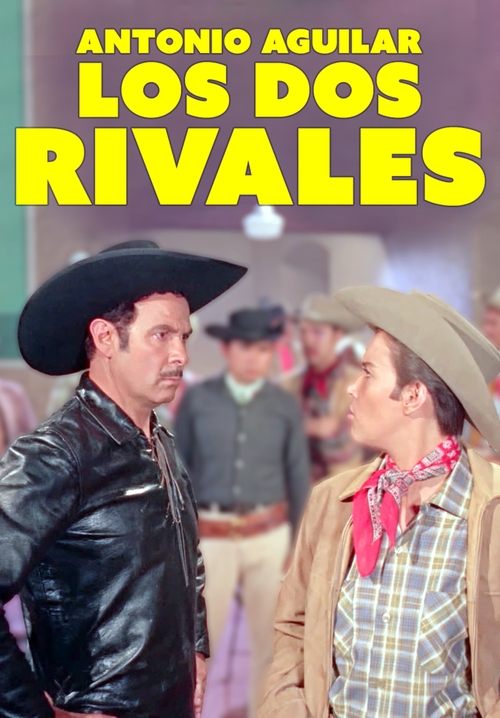
Los Dos Rivales is a quintessential genre piece that prioritizes traditional ranchera clichés over social subversion. While it achieves ethnic authenticity by centering Mexican identities, it remains firmly rooted in the patriarchal structures of its era. The film's approach to gender is transactional, using cross-dressing for comedic deception rather than identity exploration. This, combined with a narrative driven by male-centric honor codes, limits its progressive depth. Ultimately, the work functions as a cultural time capsule, reflecting the established social hierarchies and archetypes of 1960s Mexican cinema.
Category Breakdown
The film uses cross-dressing as a comedic device to deceive a suitor, serving as a plot device for farce rather than exploring queer identity.
The story reinforces patriarchal hierarchies, focusing on masculine archetypes of honor and vengeance. Women primarily serve as catalysts for male conflict rather than having independent roles.
The production centers the Mexican and Mestizo experience, providing cultural authenticity to its rural setting. It avoids whitewashing by maintaining a predominantly Mexican cast.
The narrative operates within traditional Western values, prioritizing personal vendettas and honor. It presents situational ethics through genre clichés rather than social critique.
There is no evidence of characters with visible or invisible disabilities being used as central plot devices or subjects of mockery.
Present on Screen
Limited or Absent
Official Synopsis
Ranchera comedy -- the hero thinks his girlfriend has another suitor... but the suitor is really she herself in man-drag.
1959
1960
1948
1958
1965
1966
1960
1948
No reviews yet. Be the first to share your thoughts on this movie!
Use the rating form above to leave a star rating and optional review.