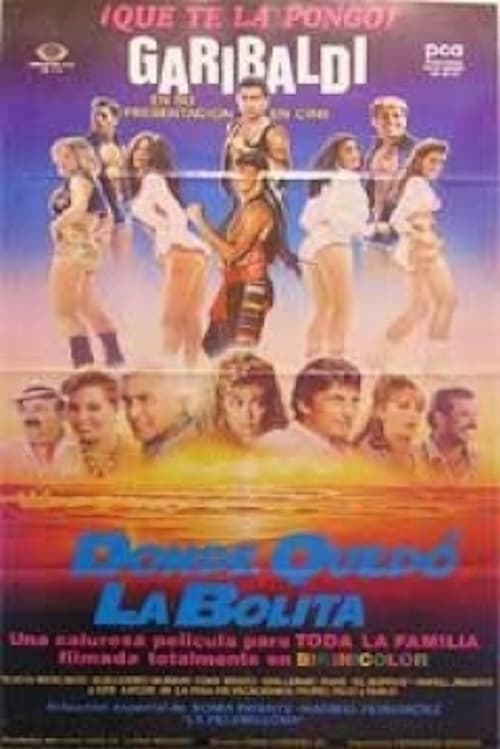
¿Dónde quedó la bolita?
1993
No user ratings available yet
Representation score: 2.7 out of 10
Representation Score
Limited
1966
Director
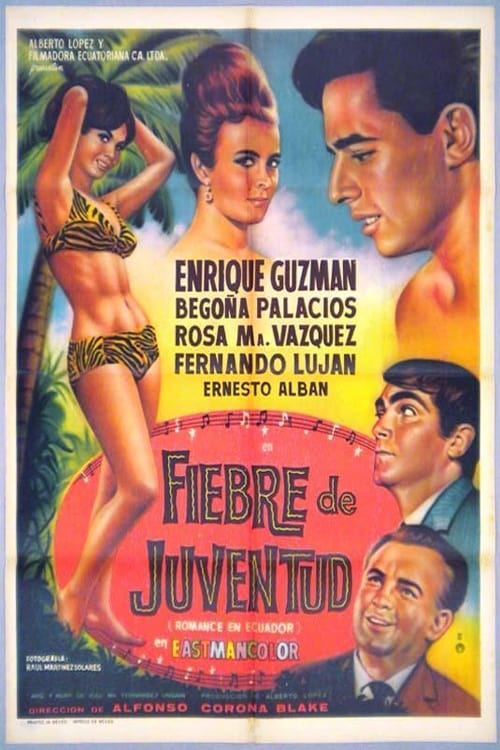
Alfonso Corona Blake
Runtime
90 minutes
Average Rating
No ratings yetNew Showbiz Analysis
Fiebre de juventud is a commercial film that reflects the social norms of mid-1960s Mexican cinema. It emphasizes fame and romantic relationships over social critique. While the film includes regional movement from Mexico to Ecuador, it does not challenge traditional hierarchies. Instead, it upholds conventional gender roles and social structures.
Category Breakdown
The film follows the traditional romantic storylines common in 1960s Mexican cinema, with no representation of non-binary gender identities or same-sex relationships.
The story revolves around the ambitions of two male characters. Women such as Rita and Silvia appear mainly as romantic interests for the male leads.
The film features a transnational element as the characters move from Mexico to Ecuador, suggesting cultural exchange between regions. However, it adheres to typical casting practices in Latin American films.
The plot centers on the personal ambitions of the characters, particularly their pursuit of musical stardom. It portrays youthful rebellion through professional goals rather than social or familial critiques.
There is no mention of characters with visible or invisible disabilities in the film.
Present on Screen
Limited or Absent
Official Synopsis
Carlos and Luis drop out of school and try to make it big with a music group, with considerable success. They travel to Ecuador and they meet the beautiful Rita and her daughter Silvia.
1993
1942
1966
1966
1969
1960

1985
1963
No reviews yet. Be the first to share your thoughts on this movie!
Use the rating form above to leave a star rating and optional review.