Jalisco canta en Sevilla
1949
No user ratings available yet
Representation score: 2.1 out of 10
Representation Score
Limited
1962
Director
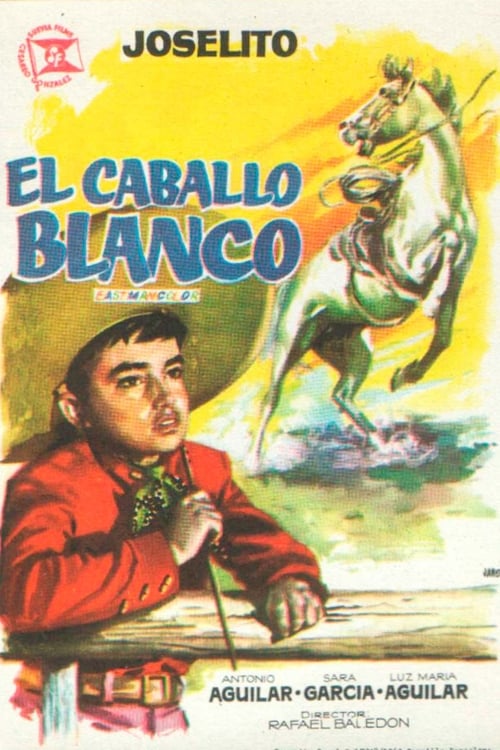
Rafael Baledón
Runtime
88 minutes
Average Rating
No ratings yetNew Showbiz Analysis
The White Horse is a quintessential example of the Golden Age of Mexican cinema, focusing on populist entertainment and traditional genre conventions. It offers a localized perspective that counters the racial dominance of Hollywood Westerns by emphasizing Mexican identity and village life. However, the film remains conservative in its social structure, relying on traditional gender roles and reinforcing the moral and social standards of its time without challenging them. While it provides a non-Western viewpoint, it lacks the depth needed to address existing social hierarchies.
Category Breakdown
The film adheres to traditional heterosexual social structures common in 1960s musical westerns. It does not include any representation of LGBTQ+ identities or non-traditional gender expressions.
The film features prominent female figures like Sara García, who play traditional maternal roles. However, women are generally confined to traditional domestic or supportive roles rather than challenging gender hierarchies.
As a Mexican production, the film focuses on Mexican identity and village life. This contrasts with the white-centric focus often seen in American Westerns of the same period.
The story emphasizes traditional values and social cohesion through family ties. It does not explore themes that question systemic oppression or challenge the moral clarity of the mid-20th century.
There is no indication of the portrayal of physical or neurodivergent disabilities in the film.
Present on Screen
Limited or Absent
Official Synopsis
Claimed by his grandmother, who lives in a Mexican village, Joselito begins the journey from Spain. Once there, while traveling in a stagecoach, is assaulted by bandits. Joselito manages to escape and, walking aimlessly, he meets Antoine, a rider who is ex officio of random player, and become close friends.
1949
2001
1978
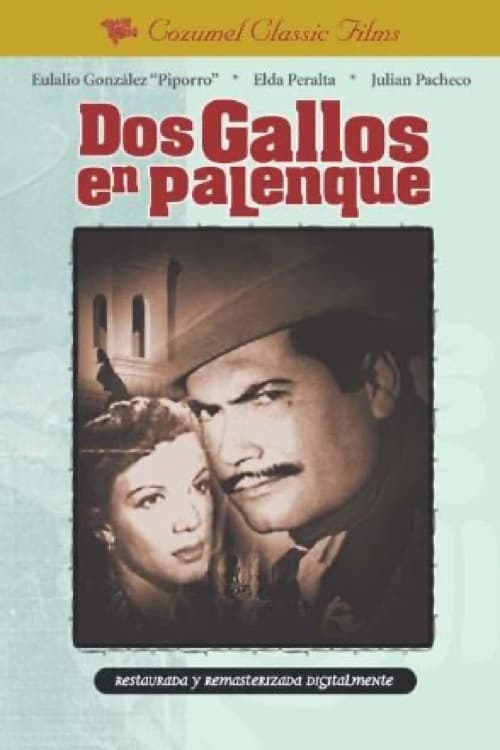
1960

1943
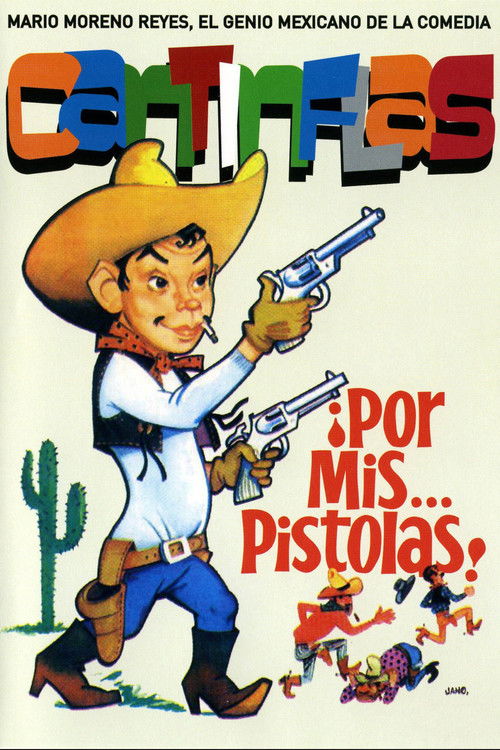
1968
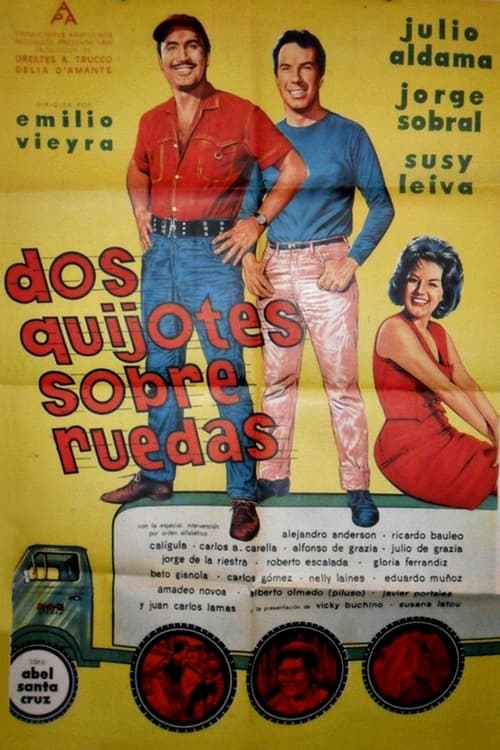
1966
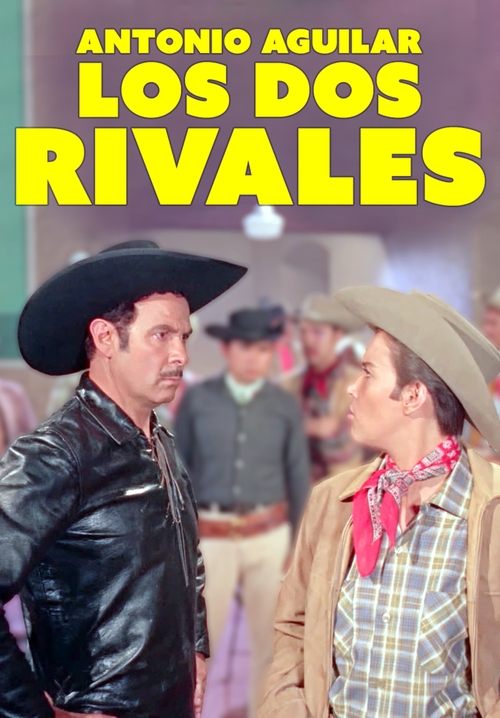
1966
No reviews yet. Be the first to share your thoughts on this movie!
Use the rating form above to leave a star rating and optional review.