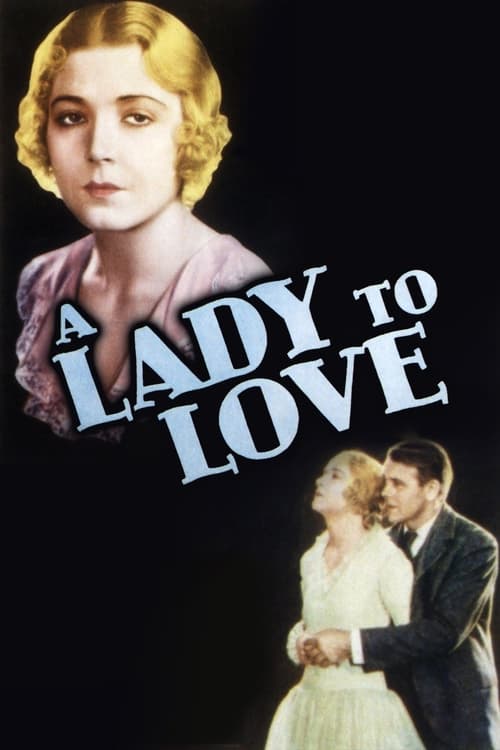
A Lady to Love
1930
No user ratings available yet
Diversity score: 3.1 out of 10
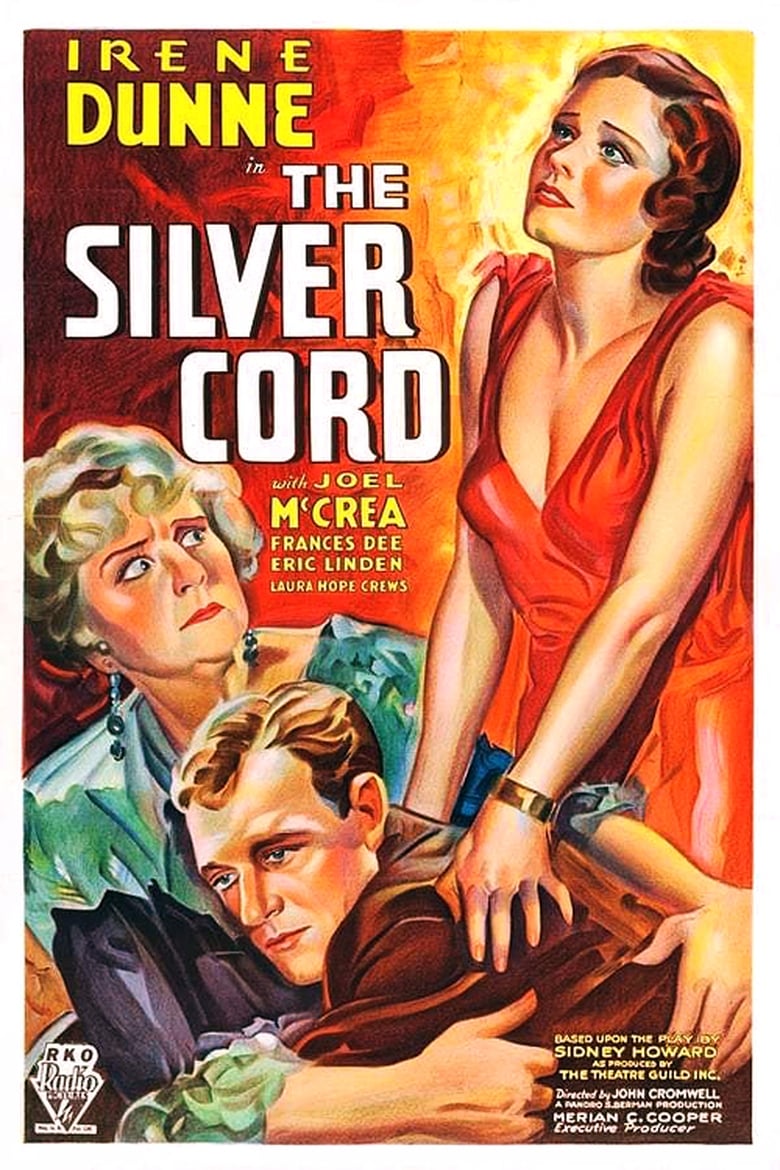
1933
NRDirector
John Cromwell
Runtime
74 minutes
Average Rating
No ratings yetSynopsis
A domineering matriarch is less than happy when her son brings home his new bride. She immediately sets to work at sabotaging their marriage as well as the engagement of her younger and weaker son.
Overall Score
Limited
Category Breakdown
LGBTQ+ Representation
The film adheres to the heteronormative social structures of the 1930s. It contains no depictions of non-cisnormative identities or narratives that critique heteronormativity.
Gender Representation
The narrative offers a nuanced subversion of traditional gender hierarchies. It depicts the matriarch as a domineering figure who disrupts the agency of the male protagonists.
Racial & Ethnic Diversity
The production reflects the era's social constraints with a homogeneous cast. The setting remains a stable, middle-class Anglo-Saxon domestic environment.
Religious & Cultural Diversity
The film critiques traditional Western family institutions by framing the maternal bond as a restrictive force. It portrays the domestic structure as a site of psychological conflict.
Disability Representation
The film focuses on psychological neuroses stemming from overprotective parenting. However, it lacks characters with visible or recognized disabilities portrayed with agency.
Strengths
Areas for Improvement
AI Analysis
The film is a character-driven domestic drama that explores the psychological complexities of maternal attachment. While it lacks intersectional visibility, it succeeds in deconstructing the idealized 'nurturing mother' archetype by reframing it as a source of systemic domestic control. Its primary limitation is the demographic homogeneity typical of its era. The cast lacks racial and ethnic diversity, and there is no representation of LGBTQ+ identities. Ultimately, the film's complexity arises from its psychological realism. It challenges the sanctity of the traditional family unit by highlighting how domestic institutions can become oppressive environments.
1930
1937
1931
1931

1937
1934
1927
1949
1931

1930
1933

1932
No reviews yet. Be the first to share your thoughts on this movie!
Use the rating form above to leave a star rating and optional review.