If I Were Free
1933
No user ratings available yet
Representation score: 0.6 out of 10
Representation Score
Minimal
1934
ApprovedDirector
Robert Z. Leonard
Runtime
77 minutes
Average Rating
No ratings yetNew Showbiz Analysis
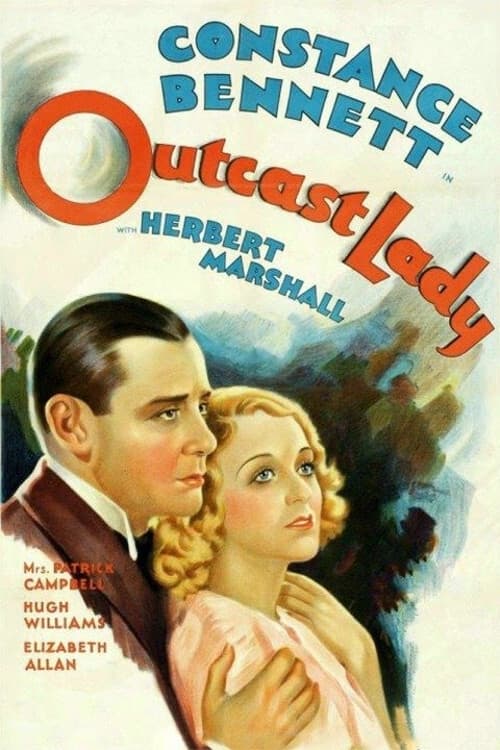
Outcast Lady is a traditional 1930s melodrama that operates strictly within the era's established social and moral frameworks. The story focuses on a woman's reputation and the consequences of her past, a common cliché of the period. The film prioritizes individual redemption and social reintegration over any systemic critique. It functions as a standard studio production that adheres to the conventional romantic and social hierarchies of the Golden Age of Hollywood. Ultimately, the film lacks depth in reflecting multiple aspects of identity, focusing instead on the tension between personal history and societal expectations of propriety.
Category Breakdown
The film follows a standard heterosexual romantic drama. There is no evidence of non-binary gender identities or critiques of the assumption that everyone is straight.
The plot centers on a woman's struggle with social policing and morality. While she drives the story, the conflict reinforces traditional social hierarchies.
The film likely reflects the homogeneous casting standards of the 1930s studio system. It lacks evidence of racial integration or non-Anglo-Saxon representation.
The narrative focuses on social standing and moral propriety. It emphasizes character, reputation, and the importance of conforming to traditional respectability.
There is no information regarding the inclusion of characters with visible or invisible disabilities.
Present on Screen
Limited or Absent
Official Synopsis
A woman's dubious past proves to be a stumbling block when she becomes engaged to marry.
1933
1920
1937
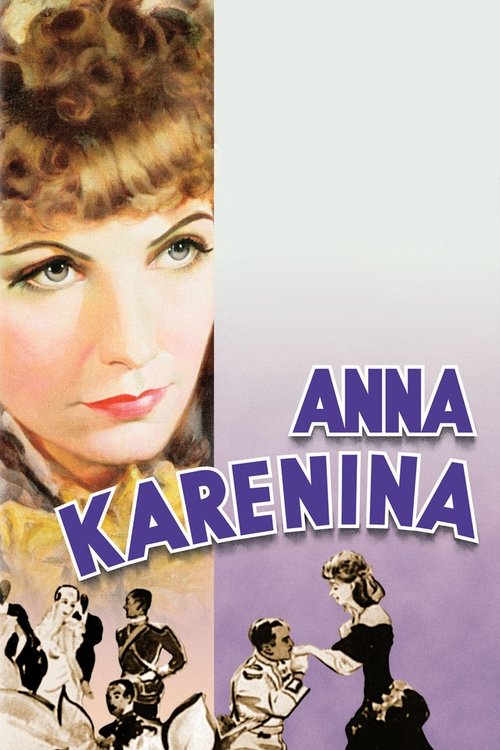
1935
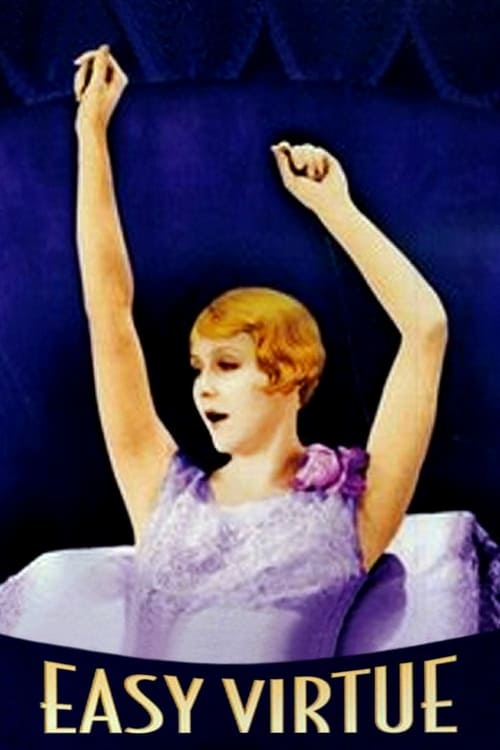
1928
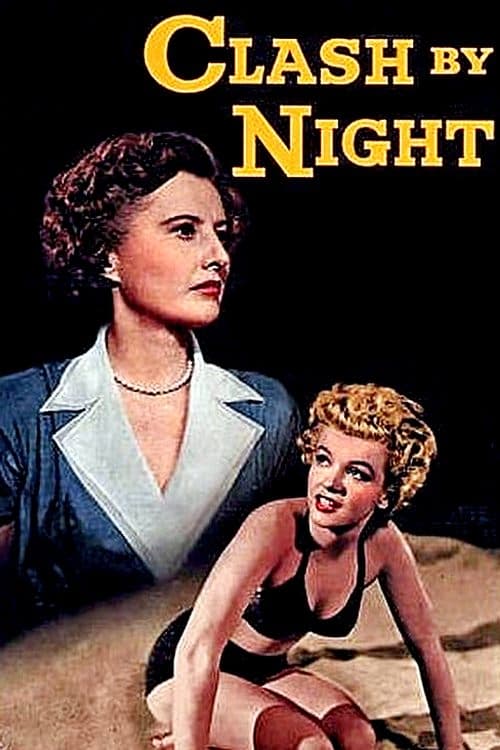
1952
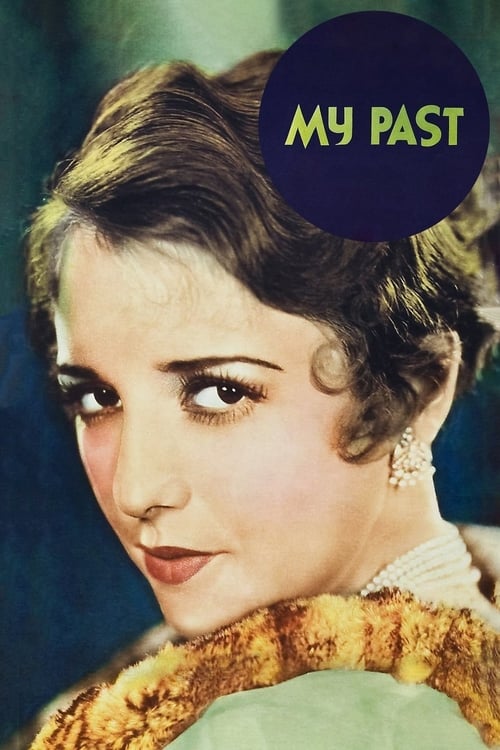
1931
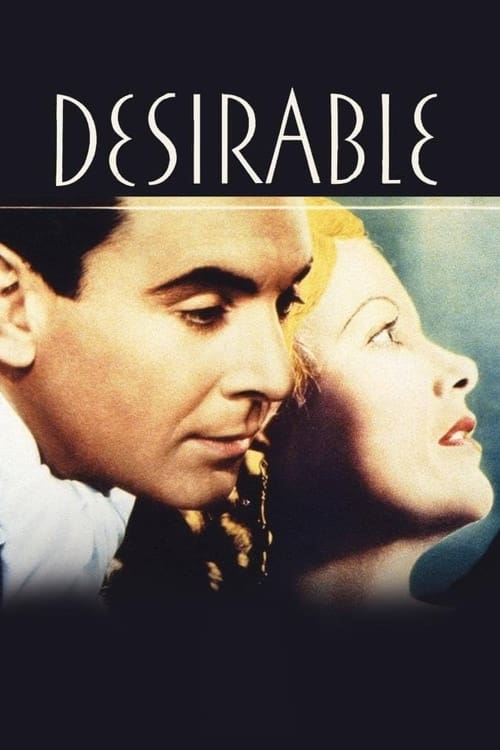
1934
No reviews yet. Be the first to share your thoughts on this movie!
Use the rating form above to leave a star rating and optional review.