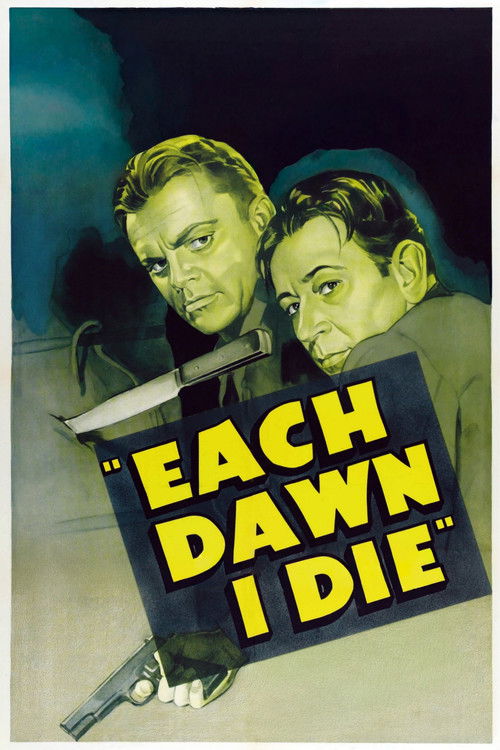
Each Dawn I Die
1939
No user ratings available yet
Representation score: 0.8 out of 10
Representation Score
Limited
1935
NRDirector
Tim Whelan
Runtime
69 minutes
Average Rating
No ratings yetNew Showbiz Analysis
The film reflects the conventions of 1930s studio cinema, emphasizing individual psychological tension over identity-based themes. It adheres to the social hierarchies and demographics typical of its era. While the plot explores the fallibility of the justice system, it does so through a personal lens of guilt. The narrative lacks systemic critique or diverse representation, focusing on traditional gender dynamics and a homogeneous cast.
Category Breakdown
There are no LGBTQ+ characters or non-cisgender identities in the film. Romantic relationships are limited to traditional heterosexual structures.
The story follows a traditional structure where the male lead drives the plot. Mary Shannon supports the protagonist emotionally but does not have a leading role.
The cast appears uniform, reflecting a predominantly white, middle-class urban setting. There are no characters of color with significant roles or ability to act.
The story centers on individual morality and journalistic ethics, avoiding any critique of Western or capitalist systems. Conflict is framed as a personal struggle.
The film does not include any visible or invisible disabilities in the character arcs. Psychological obsession is treated as a normal character trait rather than a condition.
Present on Screen
Limited or Absent
Official Synopsis
Steve Grey, reporter for the Daily Star, has a habit of scooping all the other papers in town. When Henry Mander is investigated for the murder of his shady business partner, Grey is one step ahead of the police to the extent that he often dictates his story in advance of its actual occurrence. He leads the police through an 'open and shut' case resulting in Mander being tried, convicted and sentenced to death. Columnist Mary Shannon is in love with Steve but she sees him struggle greatly with his last story before Mander's execution. When she starts typing out the story from his recorded dictation, she realizes why.
1939
1948
1939

1930

1947

1940
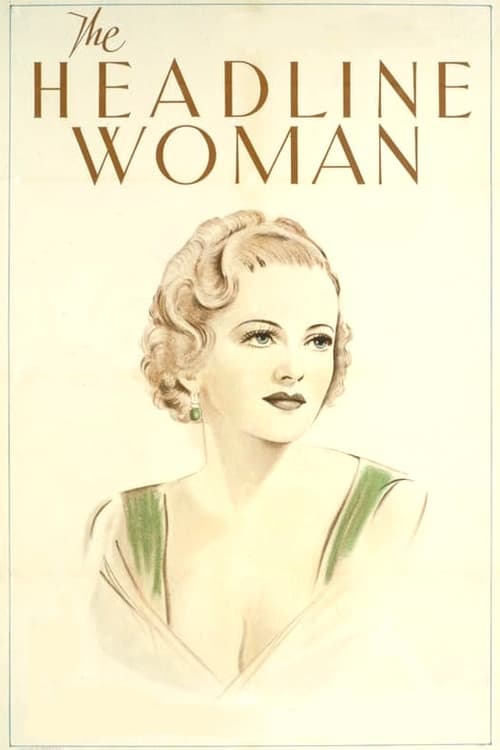
1935
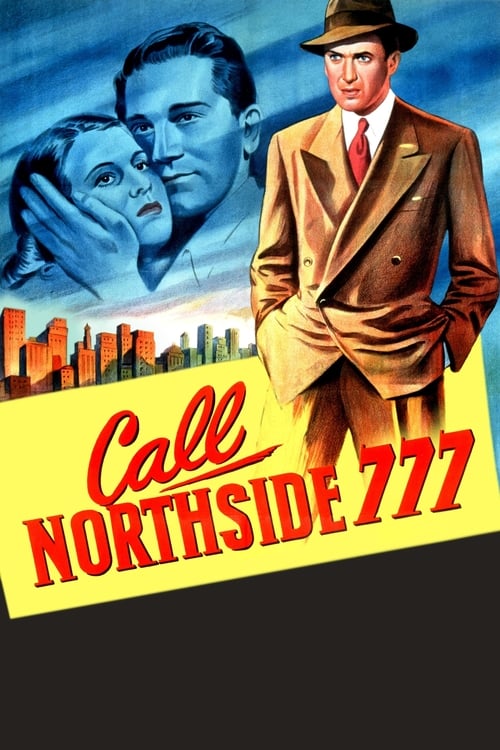
1948
No reviews yet. Be the first to share your thoughts on this movie!
Use the rating form above to leave a star rating and optional review.