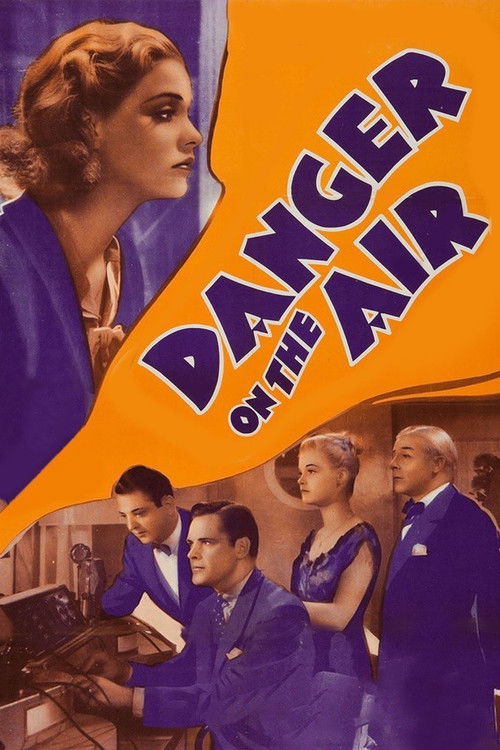
Danger on the Air
1938
No user ratings available yet
Representation score: 1.4 out of 10
Representation Score
Limited
1936
ApprovedDirector
D. Ross Lederman
Runtime
61 minutes
Average Rating
No ratings yetNew Showbiz Analysis
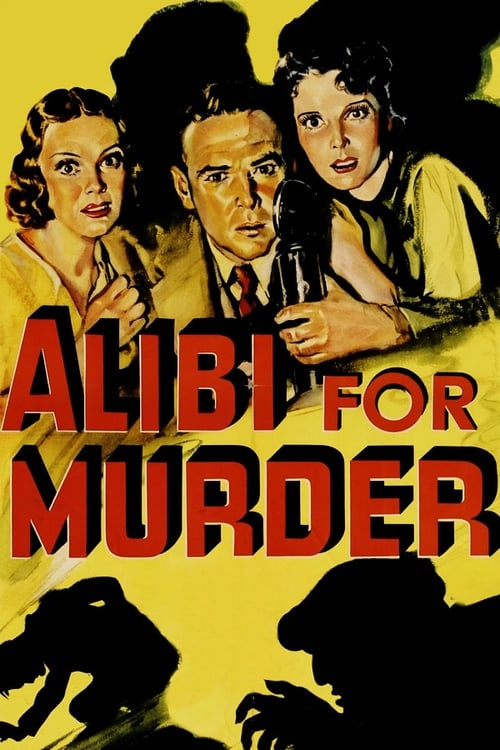
Alibi for Murder is a conventional 1936 crime thriller that prioritizes genre efficiency over social commentary. The narrative follows a standard detective structure, focusing on a male protagonist's struggle to clear his name after a murder occurs in his studio. The film reflects the era's cinematic norms, characterized by a lack of diverse perspectives. It relies on traditional hierarchies of gender and race, centering on white, Anglo-Saxon protagonists within a formal legal framework. Ultimately, the work serves as a period-typical example of the B-movie circuit. It does not attempt to disrupt cultural expectations or introduce diverse identities, sticking instead to the established clichés of the mystery genre.
Category Breakdown
The film operates within a framework that assumes everyone is straight and cisgender. There is no depiction of non-traditional gender identities or same-sex relationships.
The story centers on Perry Travis, a male protagonist whose actions drive the plot. The film adheres to traditional 1930s gender roles where men lead the investigation.
The production reflects the homogeneous casting practices of 1930s Hollywood. There is no evidence of non-white majority casts or actors playing roles traditionally assigned to white actors.
The plot reinforces traditional Western institutional structures and the legal justice system. It functions as a classic procedural that respects established social and legal orders.
There is no indication of characters with visible or invisible disabilities portrayed with meaningful roles. Such attributes are omitted or used only as minor plot devices.
Present on Screen
Limited or Absent
Official Synopsis
A radio commentator named Perry Travis fancies himself a brilliant amateur detective. The cops wish he’d stick to his microphone and let them do the detecting. This proves impossible when a famed scientist is murdered in Perry’s studio, right in the middle of the interview. All evidence points to Perry, and he sets out to clear his name before the Shadow-like villain roaming the hallways of the radio station gets away with murder.
1938

1930
1942
1948
1943

1940
1942
1934
No reviews yet. Be the first to share your thoughts on this movie!
Use the rating form above to leave a star rating and optional review.