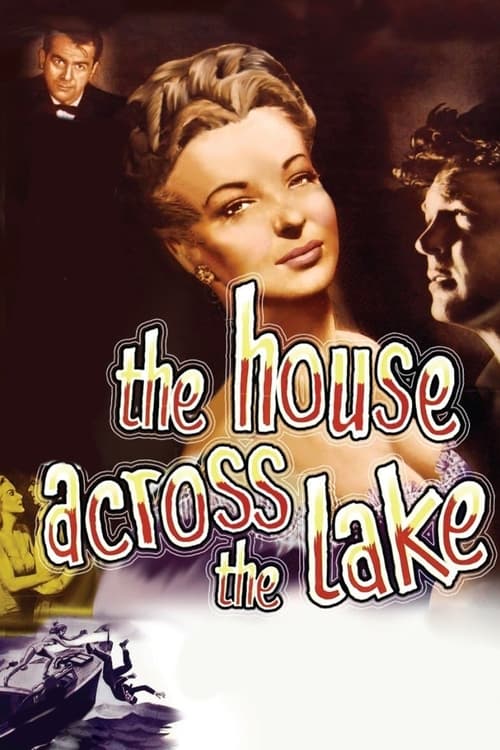
The House Across the Lake
1954
No user ratings available yet
Diversity score: 2.6 out of 10
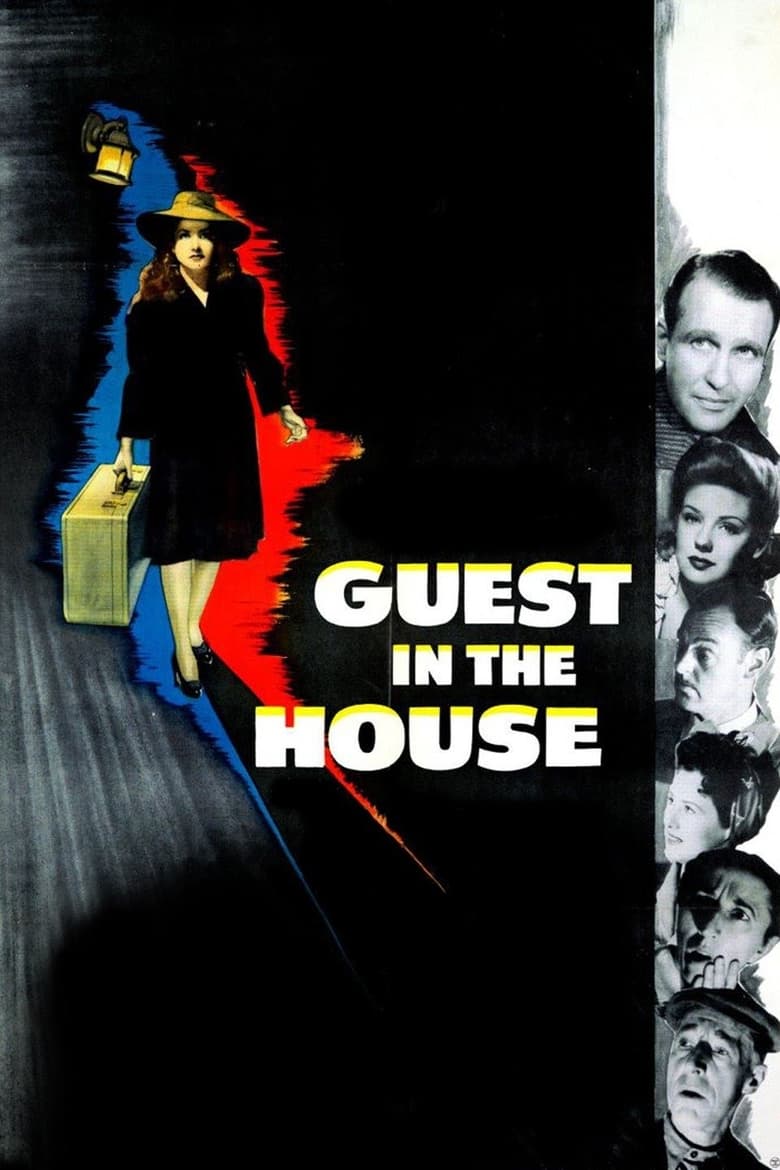
1944
NRDirector
John Brahm
Runtime
121 minutes
Average Rating
No ratings yetSynopsis
Evelyn, an emotionally vulnerable and unstable woman, stays at the home of her doctor Dan Proctor. There she meets and falls in love with his brother, Douglas, who is happily married to Ann. Evelyn then sets forth to break up the happy marriage and win the love of Douglas.
Overall Score
Limited
Category Breakdown
LGBTQ+ Representation
The story centers on heteronormative romantic competition. There is no evidence of non-cisnormative identities or critiques of heteronormativity within the plot.
Gender Representation
Evelyn is characterized as emotionally vulnerable and unstable. This aligns with mid-century tropes that pathologize female agency and frame women as disruptive forces.
Racial & Ethnic Diversity
The film likely adheres to the era's standard of a homogeneous, Anglo-centric ensemble. There is no evidence of diverse casting or non-white protagonists.
Religious & Cultural Diversity
The narrative upholds traditional Western social institutions. The conflict focuses on the moral consequences of infidelity and the protection of the nuclear family.
Disability Representation
Emotional instability is used as a plot device to drive tension. It lacks a nuanced exploration of mental health or genuine character agency.
Strengths
Areas for Improvement
AI Analysis
Guest in the House is a traditional 1944 melodrama that reinforces the social hierarchies of its era. The plot revolves around a woman attempting to dismantle a stable marriage, a structure that prioritizes the sanctity of the nuclear family. The film relies heavily on mid-century archetypes, particularly regarding gender and mental health. By framing female desire as a source of instability, the narrative follows established studio patterns rather than subverting them. Ultimately, the work functions as a period piece that upholds conventional moral frameworks. It offers little in the way of diverse representation or intersectional complexity.
1954
1945
1941
1994

1947
1960
1954
1946
1929

1975
1949
1948
No reviews yet. Be the first to share your thoughts on this movie!
Use the rating form above to leave a star rating and optional review.