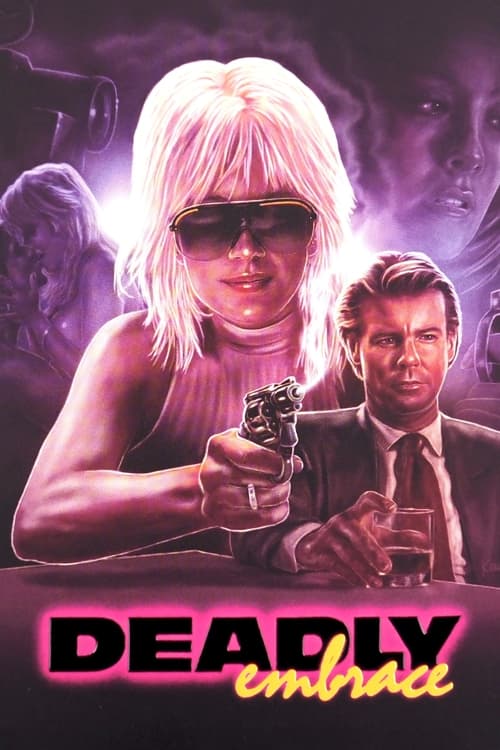
Deadly Embrace
1989
No user ratings available yet
Representation score: 2.5 out of 10
Representation Score
Limited
1994
RDirector
Jag Mundhra
Runtime
96 minutes
Average Rating
No ratings yetNew Showbiz Analysis
The Other Man is a genre-standard psychological thriller that prioritizes individualistic drama over broader social critiques. The narrative architecture focuses on the breakdown of a traditional marital structure through interpersonal obsession. Because the story centers on a traditional extramarital affair, it offers minimal engagement with progressive social frameworks. The film's scope is localized to the characters' personal deceptions rather than a rebellion against societal norms. Ultimately, the film lacks diverse casting and fails to challenge established cultural hierarchies, resulting in a narrow focus on Anglo-centric dynamics.
Category Breakdown
The film operates within a conventional framework that assumes everyone is straight or cisgender. There is no representation of LGBTQ+ identities or non-cisgender narratives.
Christine initiates the affair and takes a leading role in the story, but the narrative leans into the 'femme fatale' cliché. Quinn maintains a traditional, predatory masculine role through seduction and manipulation.
The production features a predominantly white cast. There is no evidence of diverse ensembles or casting that challenges the Anglo-Saxon centricity of the setting.
The film functions as a character study of individual pathology rather than a critique of institutions. It lacks a broader ideological framework or systemic critique.
There is no evidence of characters with visible or invisible disabilities. Disability is not utilized as a narrative device or plot point.
Present on Screen
Limited or Absent
Official Synopsis
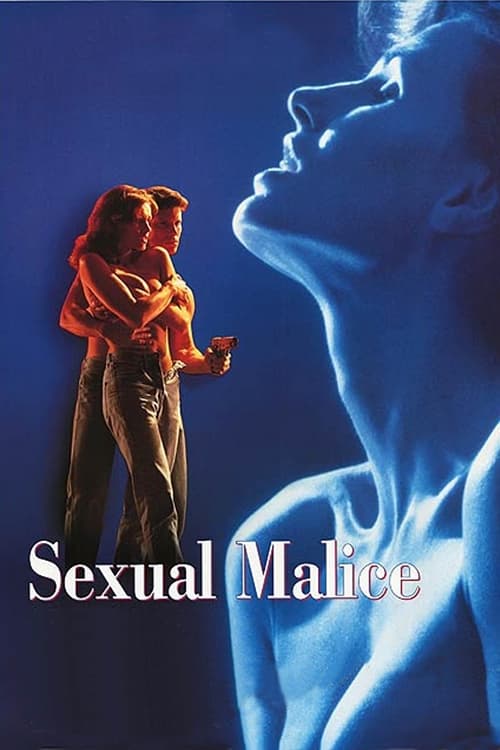
Unsatisfied by her boring marriage, Christine begins an affair with a seductive, mysterious stranger named Quinn. But they get carried away with their passion, when lust becomes obsession ... and murder. It seems someone wants to frame Christine who could it be?
1989
1981
1997
1991
1997
1971

1989
1994
No reviews yet. Be the first to share your thoughts on this movie!
Use the rating form above to leave a star rating and optional review.