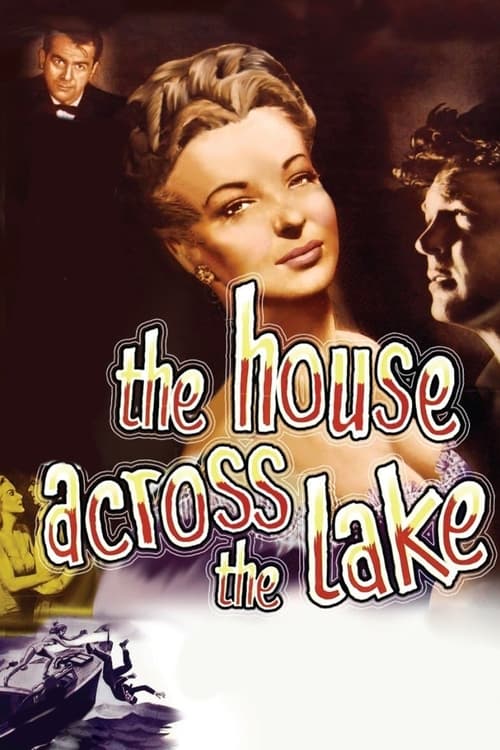
The House Across the Lake
1954
No user ratings available yet
Representation score: 1.8 out of 10

Representation Score
Minimal
1975
RDirector
Arthur Marks
Runtime
95 minutes
Average Rating
No ratings yetNew Showbiz Analysis
A Woman for All Men operates within the conventional cinematic frameworks of 1975, prioritizing traditional thriller clichés over progressive representation. The plot centers on a wealthy family, utilizing archetypes that reinforce established social hierarchies rather than challenging them. The film lacks meaningful diversity, focusing almost exclusively on heterosexual romance and Western domesticity. While the female lead displays a degree of moral ambiguity, the character dynamics remain tied to traditional gendered power structures. Ultimately, the production serves as a period-typical drama that maintains a homogeneous social lens, offering little in the way of multi-layered depth or cultural subversion.
Category Breakdown
The story focuses on heterosexual relationships and infidelity. It does not include any characters with non-binary gender identities or stories that challenge traditional norms.
Female characters are primarily defined by their relationships to a dominant male figure. Karen Petrie stands out by using deception, showing a degree of independence despite traditional gender roles.
The story centers around a wealthy, established family unit. The narrative seems to default to a homogeneous social structure typical of mid-70s thrillers.
The film reinforces traditional Western social structures and the sanctity of the nuclear family. Themes of murder and infidelity suggest a moralistic rather than critical framework.
There is no mention of characters with visible or invisible disabilities within the provided narrative context.
Present on Screen
Limited or Absent
Official Synopsis
Irascible and domineering millionaire Walter McCoy marries the beautiful, but shady and duplicitous Karen Petrie. Walter's son Steve automatically becomes smitten with Karen while both Walter's daughter Cynthia and loyal housekeeper Sarah suspect that something is up. This provokes a tangled web of deception, infidelity, and even murder.
1954
1969

1994
1953

1994
1971
1997
1972
No reviews yet. Be the first to share your thoughts on this movie!
Use the rating form above to leave a star rating and optional review.