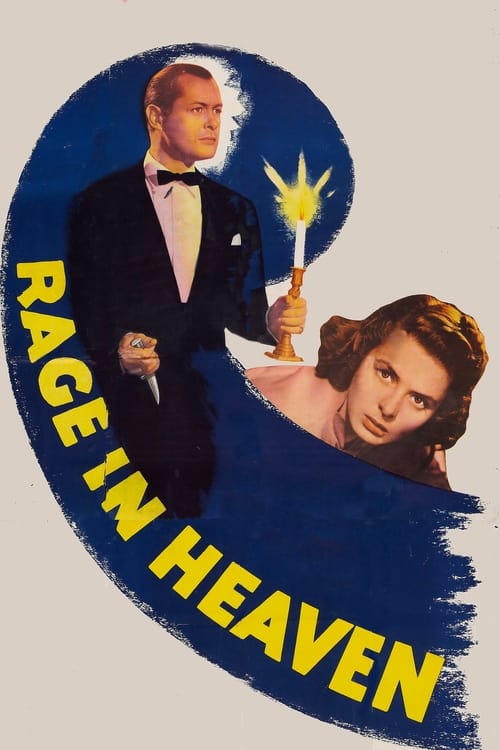
Rage in Heaven
1941
No user ratings available yet
Representation score: 1.4 out of 10

Representation Score
Limited
1947
NRDirector
George Cukor
Runtime
104 minutes
Average Rating
No ratings yetNew Showbiz Analysis
A Double Life is a classic psychological thriller that emphasizes individualist existentialism over social representation. The film excels in its portrayal of internal conflicts through deep character development, but it adheres to traditional 1940s Hollywood conventions. The narrative structure is rooted in Eurocentric and straight-centered traditions, lacking diverse perspectives and challenging social norms.
Category Breakdown
The film focuses solely on the romantic relationship between the male and female leads, ignoring any LGBTQ+ representation.
Ilsa Lund plays a significant role in the story, but her actions are driven by her emotions towards the male lead, reinforcing traditional gender roles.
The film features a predominantly white cast set in post-WWII Berlin. There is no attempt to include actors from diverse backgrounds.
The movie delves into moral ambiguity and individual psychological struggles in a post-war setting. It does not critique Western cultural or religious institutions.
The film centers on mental health and psychological dissociation, but these elements serve the thriller's tension rather than offering nuanced neurodivergent representation.
Present on Screen
Limited or Absent
Official Synopsis
A Shakespearian actor starring as Othello opposite his wife finds the character's jealous rage taking over his mind off-stage.
1941

1945
1961
1944
1954

1994
1945
1960
No reviews yet. Be the first to share your thoughts on this movie!
Use the rating form above to leave a star rating and optional review.