Whispering City
1947
No user ratings available yet
Diversity score: 3.4 out of 10
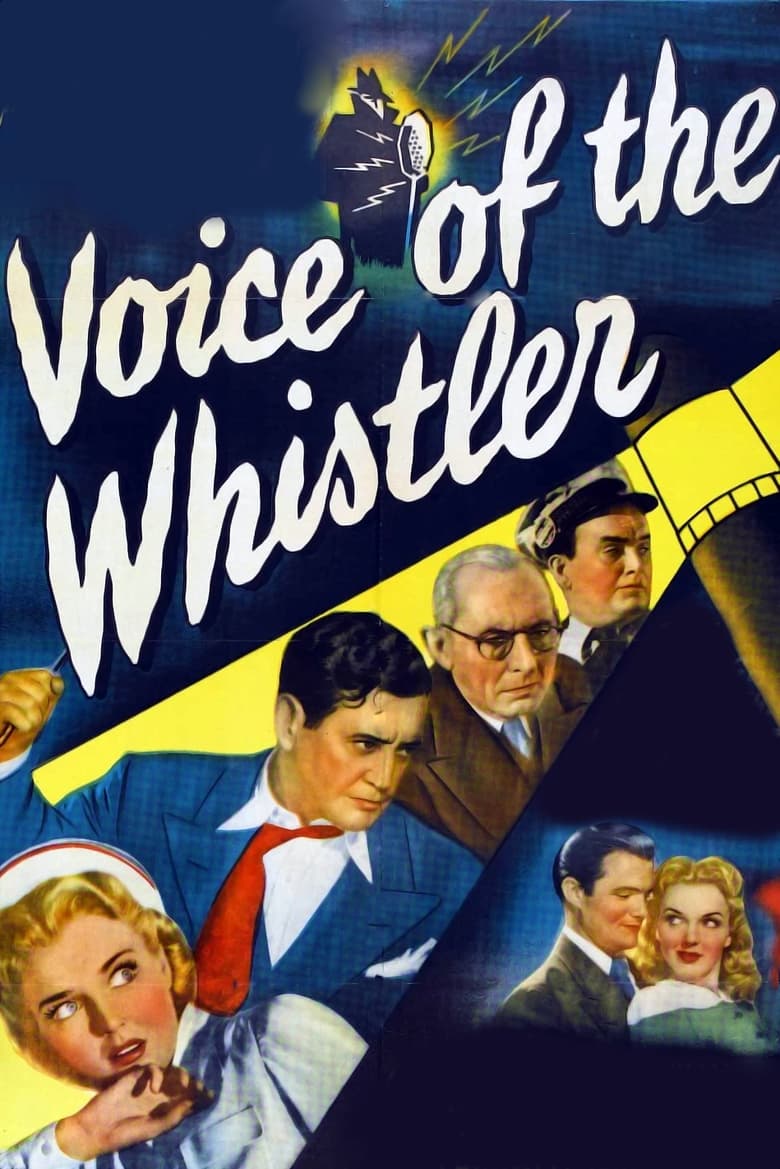
1945
NRDirector
William Castle
Runtime
60 minutes
Average Rating
No ratings yetSynopsis
A dying millionaire marries his nurse for companionship, only to experience a miracle cure.
Overall Score
Limited
Category Breakdown
LGBTQ+ Representation
The story focuses on a heterosexual marriage between a millionaire and his nurse. It lacks any documented non-cisnormative identities or narratives that challenge heteronormativity.
Gender Representation
The film utilizes traditional tropes, pairing a high-status male with a female caretaker. While the nurse exercises medical agency, the power dynamics reinforce mid-century gender hierarchies.
Racial & Ethnic Diversity
The narrative shows no evidence of a diverse cast or non-white characters. It appears to reflect the homogeneous casting norms typical of 1945 productions.
Religious & Cultural Diversity
The plot centers on Western values like wealth and marriage. It follows conventional dramatic structures without deconstructing the nuclear family or social class.
Disability Representation
Themes of physical frailty arise through the dying millionaire. However, it is unclear if the illness provides character agency or serves strictly as a plot device.
Strengths
Areas for Improvement
AI Analysis
Voice of the Whistler is a conventional mid-century drama that adheres to the social and structural hierarchies of its era. The narrative relies on established tropes of wealth and caregiving rather than subverting them. The film lacks intersectional complexity, offering little representation of diverse racial, cultural, or LGBTQ+ identities. It functions as a standard period thriller that mirrors the homogeneous social norms of the 1940s. While the plot introduces themes of illness, the focus remains on the dramatic arc of marriage and inheritance. This results in a production that prioritizes traditional storytelling over progressive representation.
1947
1944

1948
1943
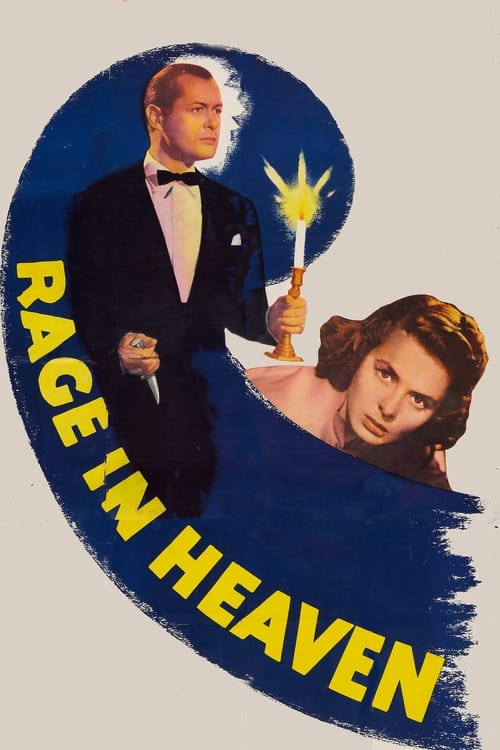
1941
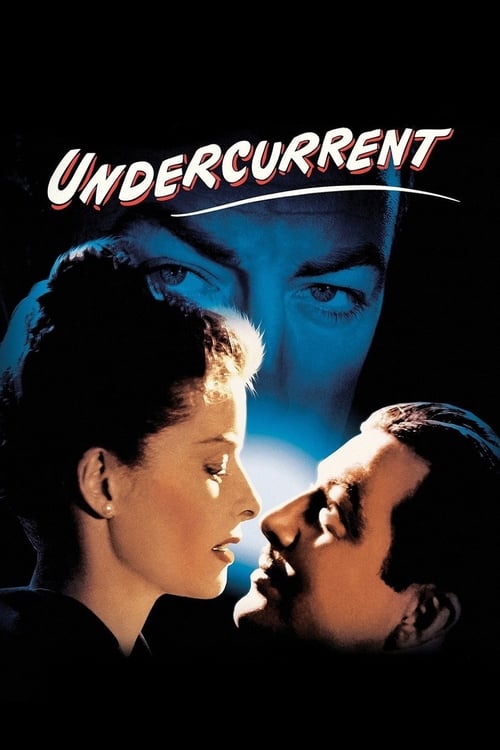
1946
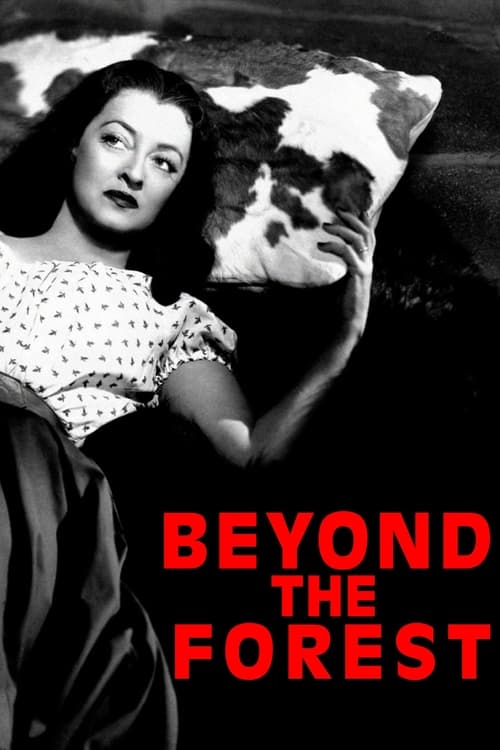
1949
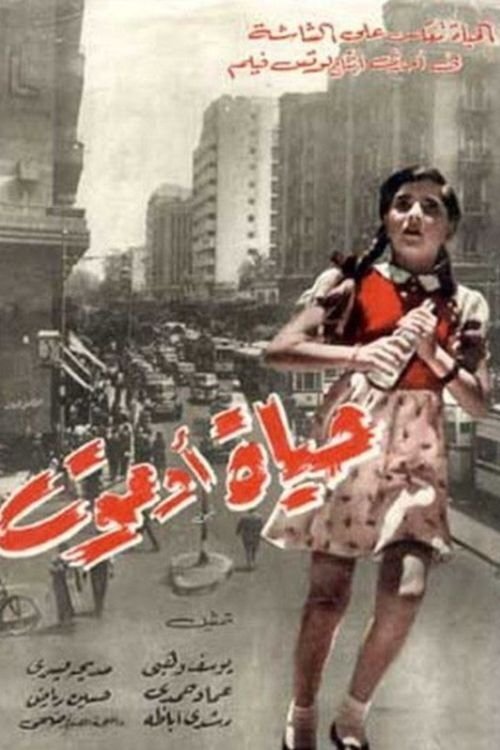
1954

1950
1948
1947
1941
No reviews yet. Be the first to share your thoughts on this movie!
Use the rating form above to leave a star rating and optional review.