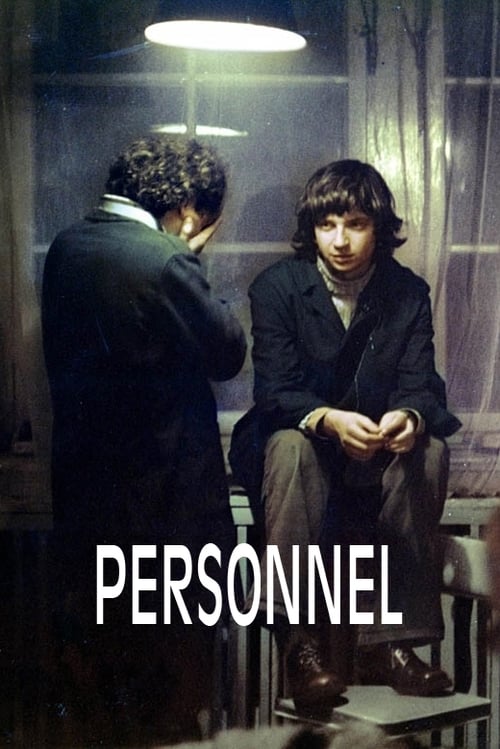
Personnel
1976
No user ratings available yet
Representation score: 5.4 out of 10

Representation Score
Limited
1980
Director
Krzysztof Kieślowski
Runtime
81 minutes
Average Rating
No ratings yetNew Showbiz Analysis
Kieślowski’s work is a study in social realism that prioritizes moral ambiguity over traditional heroism. While the film lacks demographic variety, it offers a sophisticated critique of systemic corruption and institutional stability. The narrative deconstructs the myth of meritocracy by presenting a protagonist who is often a pawn of circumstance. This focus on the 'gray zones' of human existence provides a progressive look at power dynamics, even within a homogeneous setting.
Category Breakdown
The film does not include explicit LGBTQ+ characters or stories that challenge the idea that everyone is straight. Relationships focus on traditional social structures and the protagonist's desire for a conventional family.
The story focuses on male-dominated spaces like construction sites. Women appear in the protagonist's personal life, but their roles are often limited by psychological isolation and social restrictions.
Set in 1970s Poland, the film features a largely homogeneous cast. This lack of racial diversity reflects the specific historical and geographical context of the time.
The film effectively critiques institutional power and traditional hierarchies. It explores the individual's struggle against systemic corruption using moral relativism.
There is no evidence of visible or invisible disabilities playing central roles or defining character traits.
Present on Screen
Limited or Absent
Official Synopsis
A young man in his twenties leaves prison after a three-year sentence. He wants to start a new life in a place where he is not known and dreams only of a job, a wife and a family. He succeeds partially in fulfilling these dreams, but then runs into a conflict on a construction job between the corrupt boss and fellow workers secretly planning a strike. He becomes a pawn in one camp while remaining true to his ideals in the other. Filmed in 1976 and shelved for five years.
1976

1989

1995
1985
1974
1975
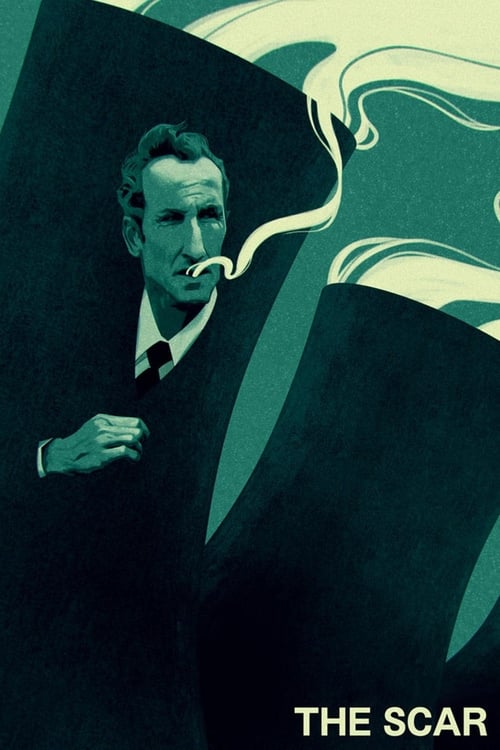
1976
1989
No reviews yet. Be the first to share your thoughts on this movie!
Use the rating form above to leave a star rating and optional review.