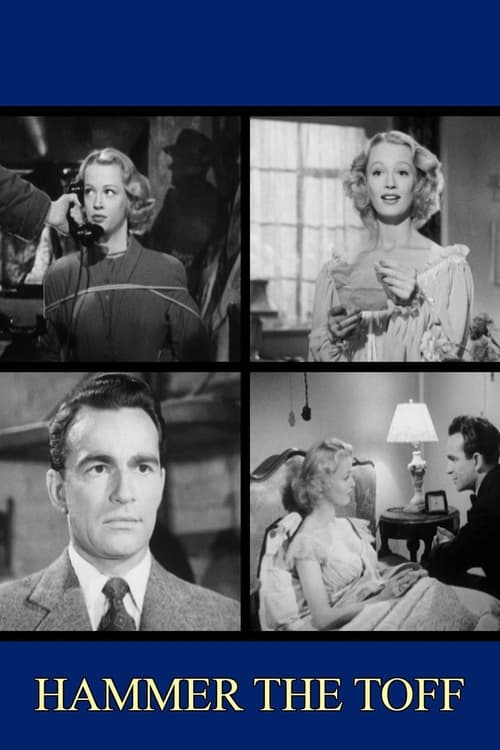
Hammer the Toff
1952
No user ratings available yet
Diversity score: 2.0 out of 10
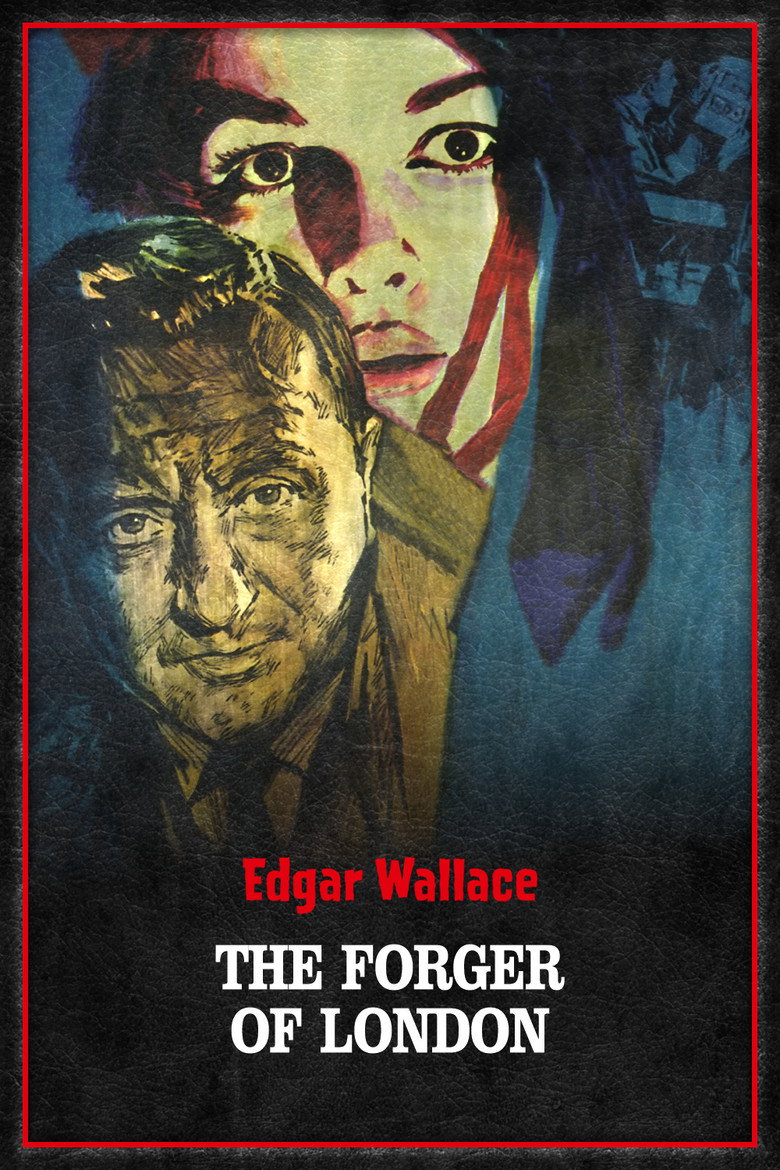
1961
Director
Harald Reinl
Runtime
93 minutes
Average Rating
No ratings yetSynopsis
A ring of counterfeiters is flooding the country with phony money, and suspicion falls upon a wealthy playboy who may--or may not--have amnesia.
Overall Score
Limited
Category Breakdown
LGBTQ+ Representation
The film offers no evidence of non-heteronormative identities or same-sex intimacy. It appears to adhere to the heteronormative social constraints typical of 1961 crime cinema.
Gender Representation
The story centers on a wealthy playboy, a trope that reinforces masculine-centric storytelling. There is no indication of female characters possessing high agency or subverting traditional gender hierarchies.
Racial & Ethnic Diversity
The narrative suggests a Western-centric focus with no indication of a non-white majority cast. It reflects the homogeneous casting standards common in early 1960s European film.
Religious & Cultural Diversity
The plot focuses on individual morality and legal order rather than cultural deconstruction. It functions within a traditional framework of law enforcement and social stability.
Disability Representation
Amnesia is used as a plot device to drive the central mystery. Such portrayals often utilize cognitive conditions for suspense rather than providing nuanced character development.
Strengths
Areas for Improvement
AI Analysis
The Forger of London is a product of its era, leaning heavily into mid-century genre tropes. The narrative prioritizes a mystery-driven plot centered on a wealthy protagonist, which reinforces established social hierarchies rather than challenging them. Representation is minimal across the board. The film lacks intersectional complexity, focusing instead on conventional crime drama structures that favor a Western-centric, patriarchal perspective. Ultimately, the work serves as a standard example of 1961 European genre filmmaking, prioritizing suspense and traditional character archetypes over diverse or systemic storytelling.
1952
1963
1966
1966
1964

1978
1949
1968
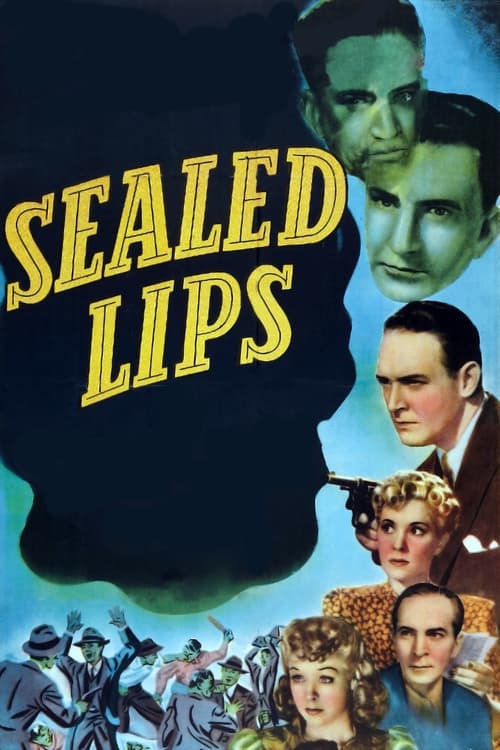
1942
1954
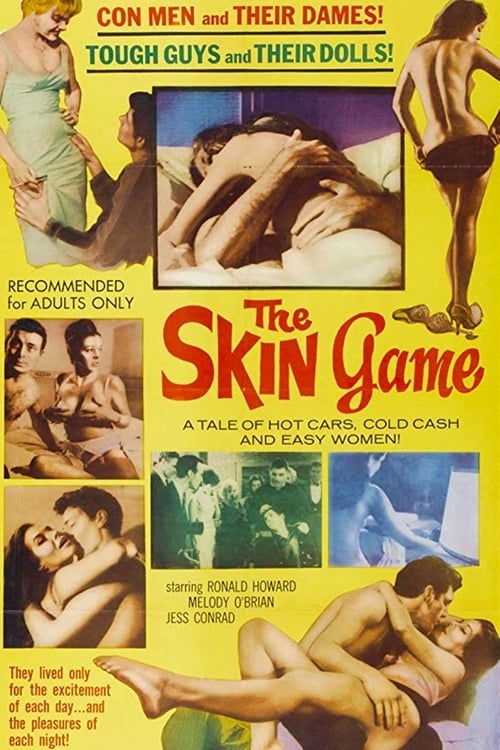
1962

1952
No reviews yet. Be the first to share your thoughts on this movie!
Use the rating form above to leave a star rating and optional review.