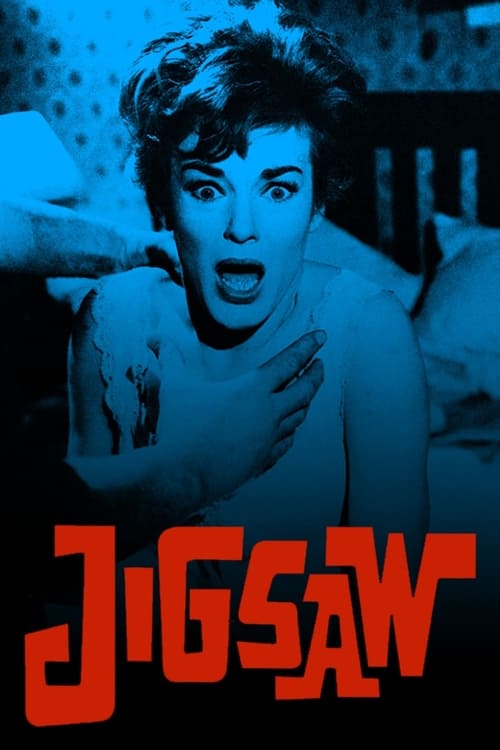
Jigsaw
1962
No user ratings available yet
Representation score: 2.5 out of 10
Representation Score
Minimal
1966
M/PGDirector
Cyril Frankel
Runtime
88 minutes
Average Rating
No ratings yetNew Showbiz Analysis
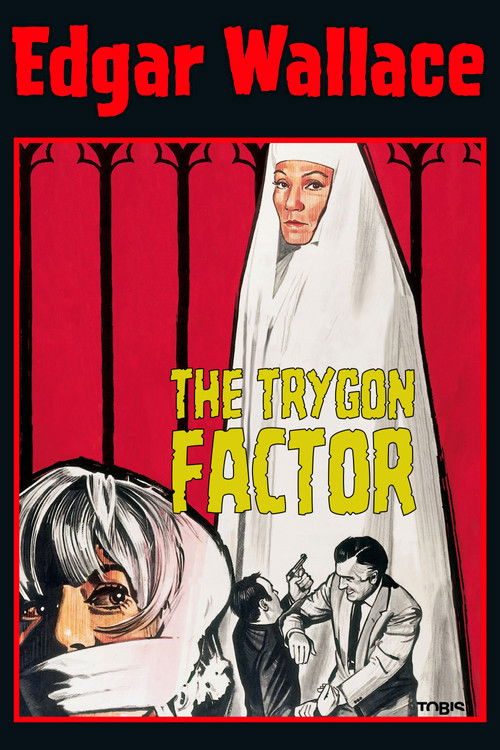
The Trygon Factor is a traditional mid-century crime mystery that adheres to the formal constraints of 1960s British genre filmmaking. The narrative emphasizes institutional tension and conventional social roles, lacking complexity in representing diverse identities. Characters and settings reflect the era's standard demographic norms.
Category Breakdown
The film follows a traditional storyline typical of 1960s crime procedurals, with no representation of LGBTQ+ identities or non-binary gender characters.
The story revolves around a male Scotland Yard detective, emphasizing masculine authority. Female characters are limited to nuns, who embody traditional religious roles.
The narrative reflects a homogeneous Anglo-Saxon society centered around a wealthy English family. There is no indication of a diverse cast that challenges standard demographic norms.
The plot contrasts a secular estate with a religious order, focusing on established Western institutions like the Church and landed gentry without social critique.
The film does not provide any information about characters with visible or invisible disabilities.
Present on Screen
Limited or Absent
Official Synopsis
A Scotland Yard detective is investigating a string of robberies and a murder, and the information he uncovers leads him to the estate of a wealthy but strange English family, who share their mansion with a group of nuns. The detective comes to suspect that neither the family nor the nuns is quite what they seem to be.
1962
1964
1962
1954
1968
1946
1963
1964
No reviews yet. Be the first to share your thoughts on this movie!
Use the rating form above to leave a star rating and optional review.