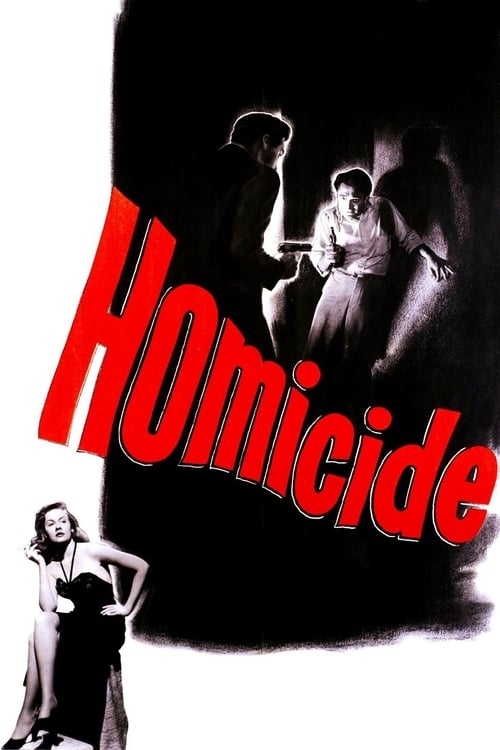
Homicide
1949
No user ratings available yet
Diversity score: 2.4 out of 10
No Poster Available
1956
ApprovedDirector
Larry O'Reilly
Runtime
8 minutes
Average Rating
No ratings yetSynopsis
In this Screenliner short, New York City police detectives investigate the case of a missing girl, whose clothes are found on a bridge. Was it a suicide, was she murdered, or is this a hoax?
Overall Score
Limited
Category Breakdown
LGBTQ+ Representation
The film lacks LGBTQ+ characters or narratives. It follows a traditional crime procedural structure that reinforces the heteronormative social frameworks of the 1950s.
Gender Representation
While a missing woman drives the plot, she remains a passive object of investigation. Agency is held almost exclusively by the male detectives.
Racial & Ethnic Diversity
The narrative lacks evidence of a diverse cast. It appears to reflect the homogeneous, white-centric casting norms typical of mid-century police procedurals.
Religious & Cultural Diversity
The story focuses on Western institutional values and police authority. It prioritizes the maintenance of social order over any critique of systemic institutions.
Disability Representation
There is no mention of characters with physical, sensory, or neurodivergent disabilities within the film's narrative.
Strengths
Areas for Improvement
AI Analysis
Where Is Jane Doe? is a standard mid-century crime short that adheres strictly to the era's cinematic conventions. The narrative is built around a traditional police procedural, focusing on the investigation of a missing woman to drive the plot forward. Because the film centers on law enforcement and institutional authority, it reinforces the social hierarchies of 1956. The characters and themes reflect a homogeneous worldview, offering little to no representation of marginalized identities or diverse perspectives. Ultimately, the film functions as a conventional genre piece. It prioritizes the competence of the police force and the restoration of order, rather than exploring complex social or cultural subversions.
1949
1949
1966
1961

2011

1952
1956
1950

2019

2005

1975
1944
No reviews yet. Be the first to share your thoughts on this movie!
Use the rating form above to leave a star rating and optional review.