
Rodeo King and the Senorita
1951
No user ratings available yet
Representation score: 1.8 out of 10
Representation Score
Minimal
1937
NRDirector
Robert N. Bradbury
Runtime
63 minutes
Average Rating
No ratings yetNew Showbiz Analysis
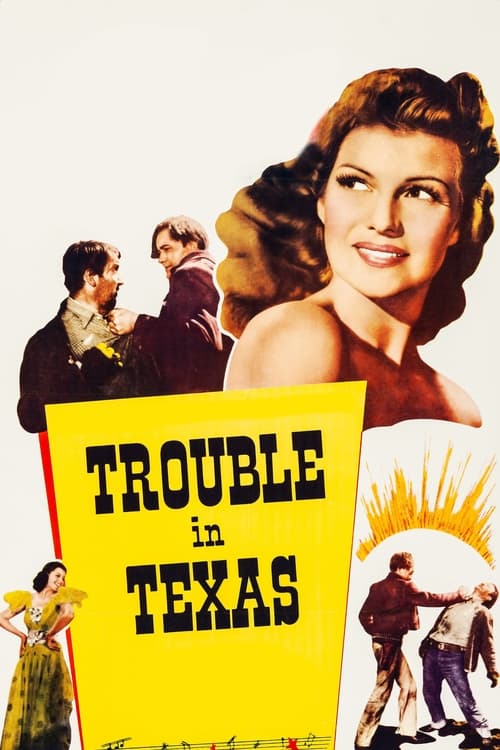
Trouble in Texas is a classic 1930s B-Western that prioritizes genre clichés over diverse storytelling. The film centers on Anglo-Saxon male protagonists and established social hierarchies, functioning as a traditional morality tale. Because the production adheres strictly to the industrial standards of Republic Pictures during this era, it lacks intentionality regarding multi-layered representation. The narrative structure upholds, rather than challenges, the cultural norms of the period. Ultimately, the film serves as a time capsule of the Golden Age of Hollywood, offering a narrow, homogeneous view of the American frontier.
Category Breakdown
The film does not include any visible or implied LGBTQ+ characters. It operates entirely within the assumption that everyone is straight or cisgender.
The narrative reinforces traditional gender roles. Male protagonists drive the plot through physical conflict, while women have limited intellectual or physical authority.
The cast is predominantly made up of white actors, reflecting the standard casting practices of 1937. The narrative lacks significant characters of color with real influence.
The film promotes conventional Western morality and frontier justice. It reinforces the stability of the social order rather than critiquing systemic institutions.
There are no notable depictions of physical or neurodivergent disabilities. Characters are defined by the standard physical capabilities expected in the Western genre.
Present on Screen
Limited or Absent
Official Synopsis
Rodeo stars are being killed with poisoned needles, and Tex Ritter is next on the list.
1951
1932
1934
1941
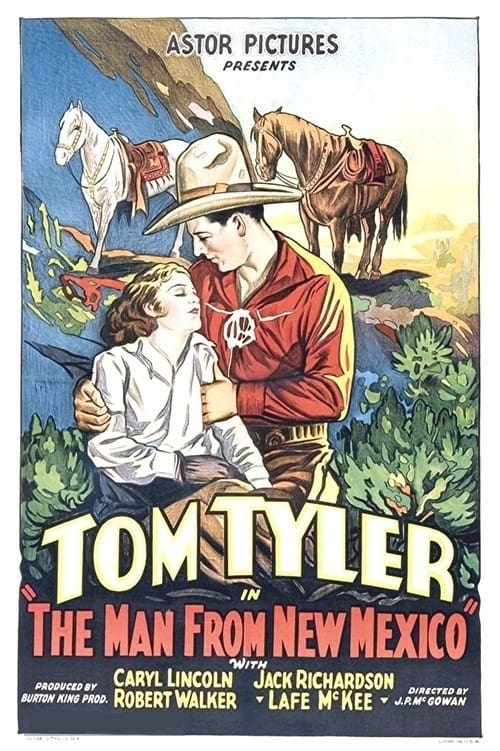
1932
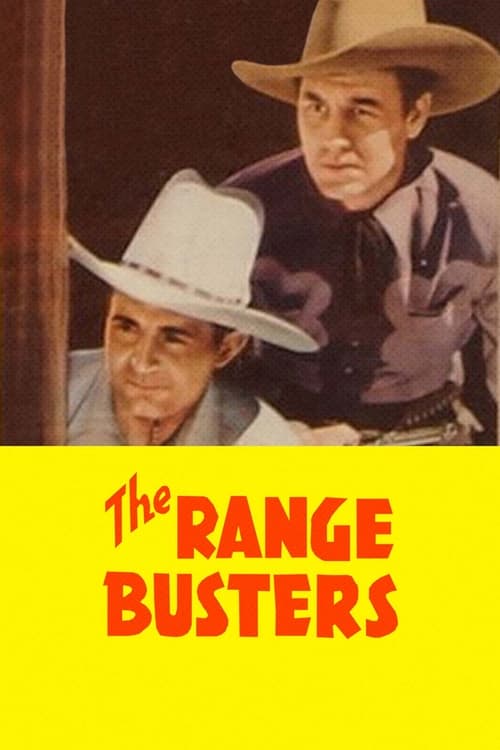
1940
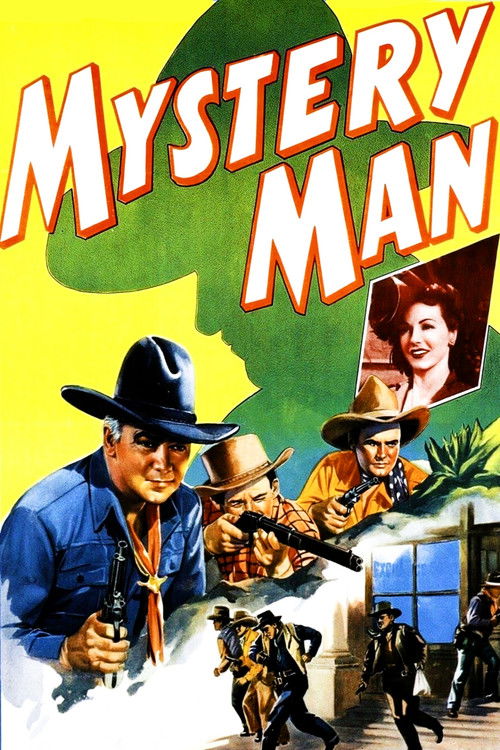
1944
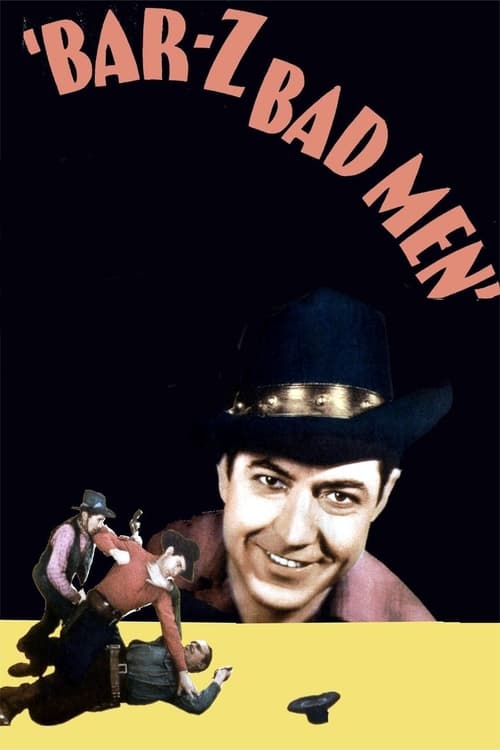
1937
No reviews yet. Be the first to share your thoughts on this movie!
Use the rating form above to leave a star rating and optional review.