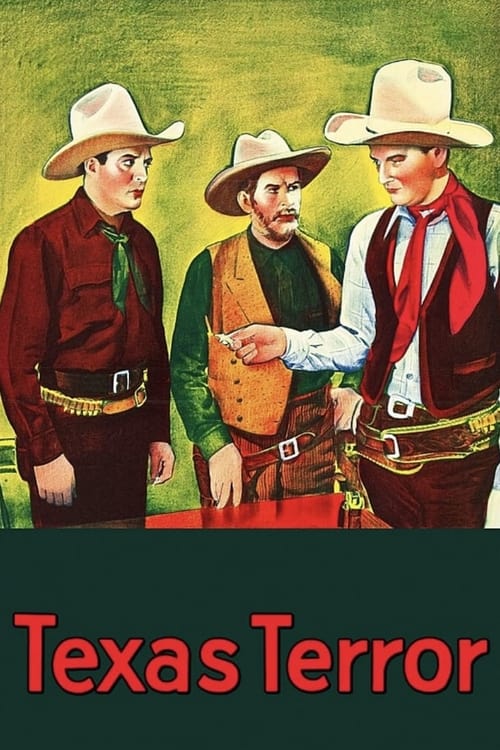
Texas Terror
1935
No user ratings available yet
Representation score: 0.3 out of 10
Representation Score
Minimal
1934
GDirector
Robert N. Bradbury
Runtime
51 minutes
Average Rating
No ratings yetNew Showbiz Analysis
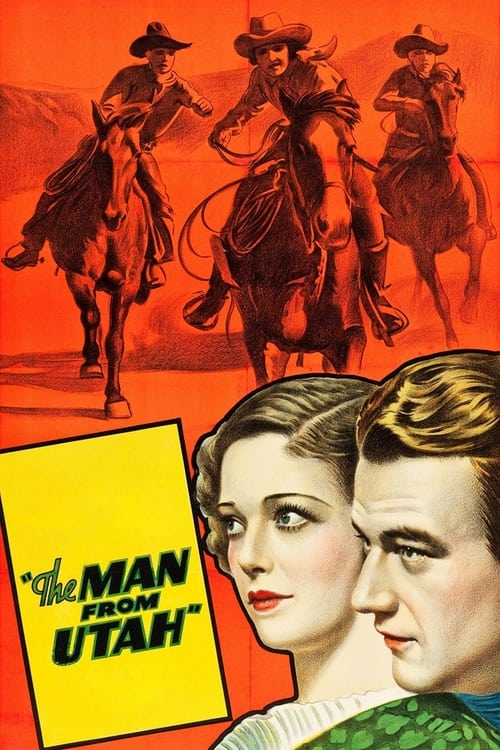
The Man from Utah is a product of the rigid social structures of 1930s American cinema. It embodies the classic B-Western genre, emphasizing individual heroism and clear moral distinctions over social complexity. The film reinforces traditional hierarchies, especially concerning gender and race. Narrative ability to act is reserved for male archetypes, while the setting remains racially uniform, lacking diverse representation. Ultimately, the film does not aim to challenge existing power dynamics. Instead, it supports established social orders and the traditional narratives of the Western genre.
Category Breakdown
The film does not include any LGBTQ+ characters or representations of non-straight relationships. It stays within the confines of the heterosexual norms of the 1930s.
Male characters like Bob Steele and Barton have the majority of the narrative ability to act, while female characters play supporting roles without much independence or influence on the main storyline.
The cast and setting reflect a uniform society typical of 1930s Westerns. There are no significant racial blends or non-Anglo-Saxon characters with substantial influence.
The story upholds traditional Western values centered around personal honor and frontier justice. It emphasizes individual morality and the restoration of order within a conventional framework.
There are no visible portrayals of physical or neurodivergent disabilities. Characters are shown through the lens of physical capabilities necessary for the action-adventure genre.
Present on Screen
Limited or Absent
Official Synopsis
The Marshal sends John Weston to a rodeo to see if he can find out who is killing the rodeo riders who are about to win the prize money. Barton has organized the rodeo and plans to leave with all the prize money put up by the townspeople. When it appears that Weston will beat Barton's rider, he has his men prepare the same fate for him that befell the other riders.
1935

1934
1937
1931
1938

1957
1934
1939
No reviews yet. Be the first to share your thoughts on this movie!
Use the rating form above to leave a star rating and optional review.