The Range Busters
1940
No user ratings available yet
Representation score: 0.4 out of 10
Representation Score
Minimal
1941
ApprovedDirector
S. Roy Luby
Runtime
59 minutes
Average Rating
No ratings yetNew Showbiz Analysis
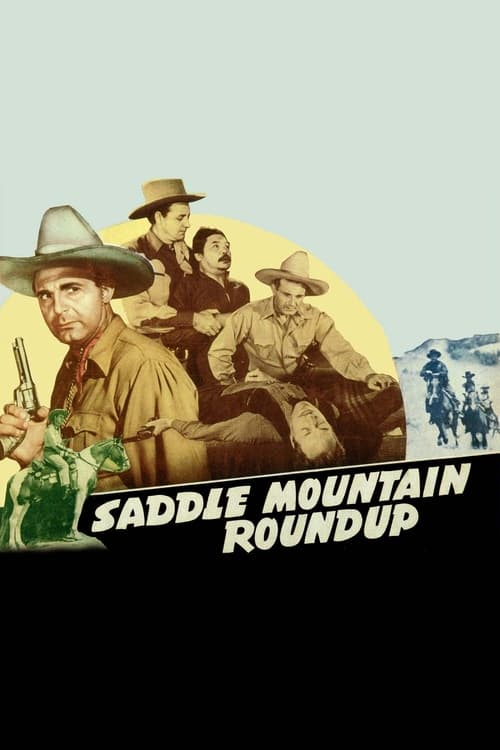
Saddle Mountain Roundup is a standard B-Western that adheres strictly to the genre conventions of 1941. The narrative focuses on traditional heroism and clear moral binaries, prioritizing established clichés over social complexity. The film lacks depth in reflecting multiple aspects of identity, reflecting the historical social constraints of its era. It relies on masculine-driven conflict and conventional morality rather than progressive representation. Ultimately, the work functions as a period-typical genre piece that reinforces existing social hierarchies and traditional Western archetypes.
Category Breakdown
The film does not include any LGBTQ+ characters or narratives. It operates within the strict assumption that everyone is straight or cisgender, which was typical of 1941 cinema.
The story centers around male protagonists Crash and Dusty. It likely reinforces traditional gender roles through depictions of masculine leadership and physical strength.
The film likely reflects the homogeneous casting standards of the early 1940s. Nuanced portrayals of people of color are missing, despite the mention of the character Magpie Harper.
The narrative aligns with Western expansionist ideals and frontier justice. It lacks any indication of systemic critique or secular or anti-capitalist themes.
There is no information available regarding the portrayal of physical or neurodivergent disabilities in this production.
Present on Screen
Limited or Absent
Official Synopsis
Someone wants to kill Magpie Harper. Crash and Dusty arrive too late, Magpie Harper is allready dead.
1940
1956
1944
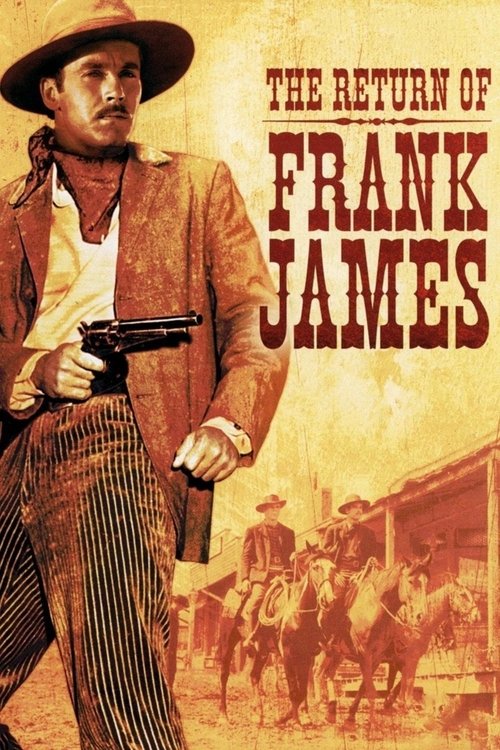
1940

1951
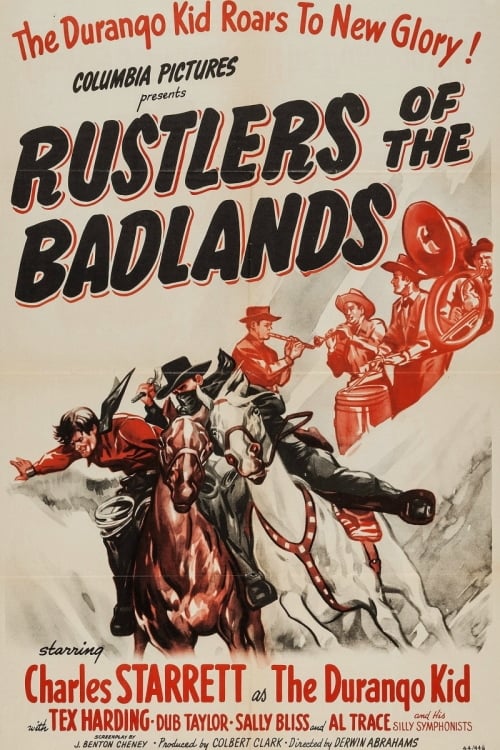
1945
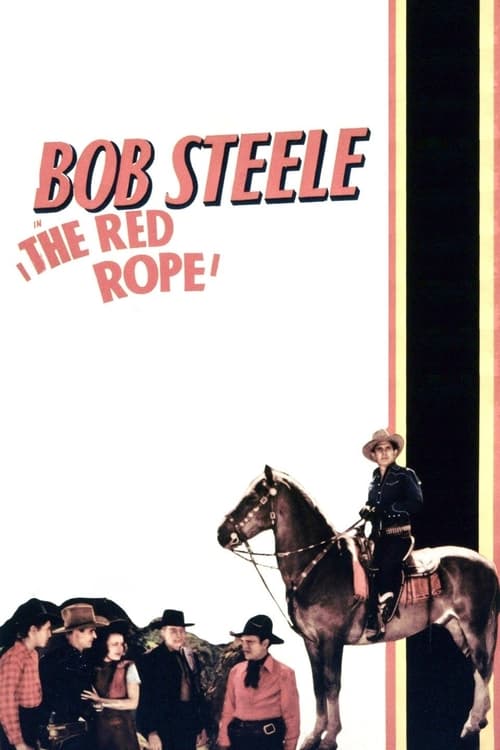
1937
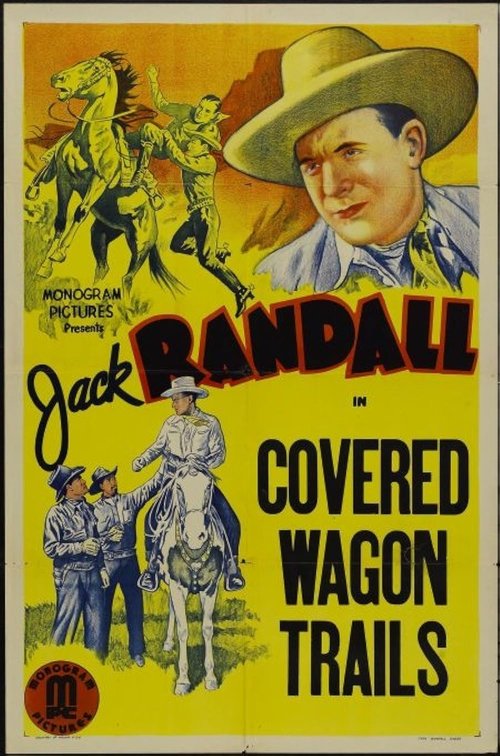
1940
No reviews yet. Be the first to share your thoughts on this movie!
Use the rating form above to leave a star rating and optional review.