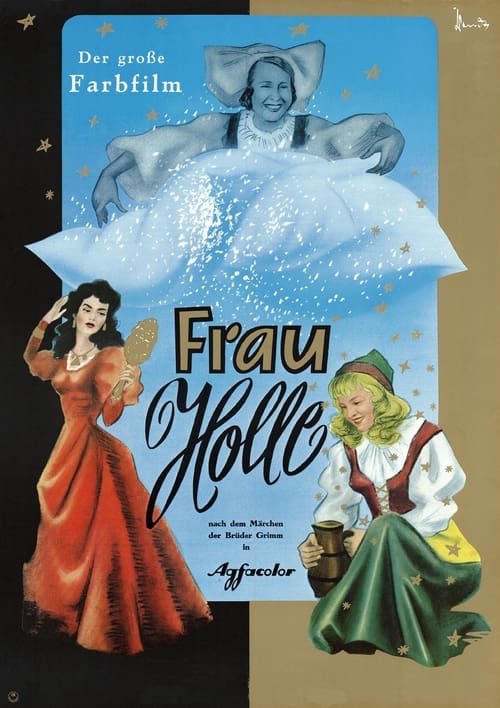
Mother Holly
1954
No user ratings available yet
Representation score: 0.4 out of 10
Representation Score
Limited
1958
Director
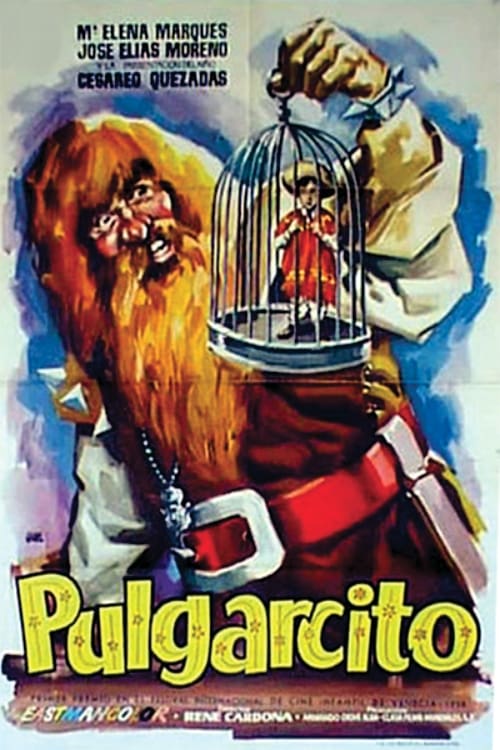
René Cardona
Runtime
85 minutes
Average Rating
No ratings yetNew Showbiz Analysis
Tom Thumb is a traditionalist production reflecting the social and cultural norms of 1950s Mexican cinema. It relies heavily on classical fairy-tale clichés and moralizing storytelling, which prioritize established social hierarchies over progressive representation. While the film provides a non-Western perspective by centering Mexican creators and talent, the narrative structure remains largely conventional. Themes of bravery and familial protection are explored through a strictly male-centric lens, limiting its social impact. Ultimately, the film lacks intentional subversion of norms, treating physical differences as magical plot devices rather than complex human experiences.
Category Breakdown
The film follows the conventional social structures of the 1950s. There are no representations of LGBTQ+ identities or same-sex relationships.
The story focuses on a male-centric hero's journey involving a boy and his brothers. Male characters have significant control over the story, and there is no significant challenge to traditional gender roles.
This Mexican production features a predominantly Mexican cast and crew. It offers a non-Western perspective on the hero's journey archetype, moving away from Anglo-centric dominance.
The story operates within a traditional folkloric framework. It emphasizes standard familial bonds and moral structures, reinforcing rather than challenging traditional institutions.
The protagonist's small size is used as a fantastical attribute. However, the film treats this size as a magical element rather than exploring the complexities of living with a physical difference.
Present on Screen
Limited or Absent
Official Synopsis
A young boy born extraordinarily small must rescue his older brothers from a wicked ogre.
1954
1958
1964
1964
1957
1977

1961

1957
No reviews yet. Be the first to share your thoughts on this movie!
Use the rating form above to leave a star rating and optional review.