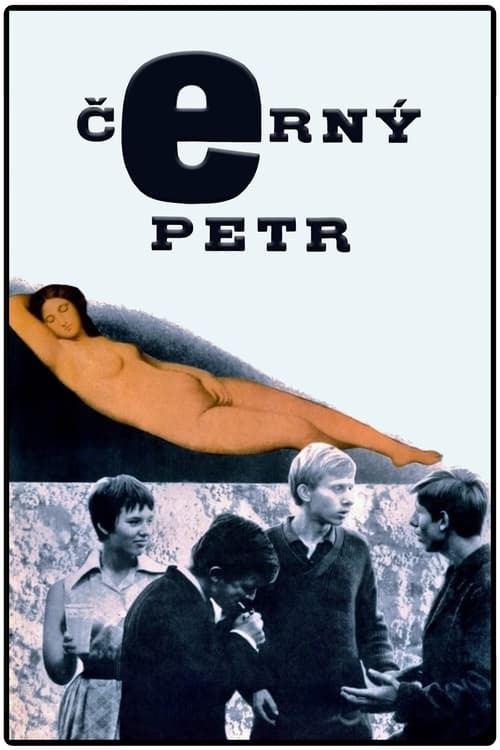
Black Peter
1964
No user ratings available yet
Representation score: 1.6 out of 10
Representation Score
Fair
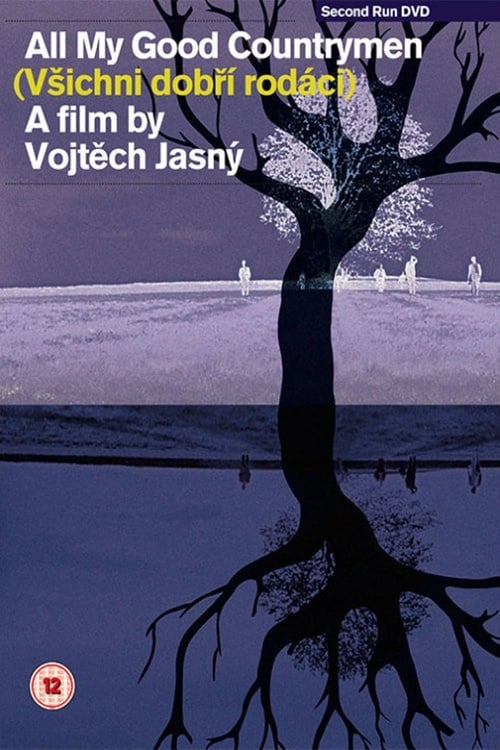
1969
Director
Vojtěch Jasný
Runtime
121 minutes
Average Rating
No ratings yetNew Showbiz Analysis
Vojtěch Jasný’s work is demographically traditional, reflecting the specific historical and regional context of mid-20th-century Czechoslovakia. The cast and social structures remain largely homogenous, adhering to the era's established norms regarding gender, race, and sexuality. However, the film is ideologically sophisticated. It uses its setting to launch a powerful critique of institutional power and the erosion of social cohesion under a new political regime. The narrative architecture is progressive in its examination of how state authority disrupts individual ability to act.
Category Breakdown
The film focuses on the political and interpersonal dynamics of a rural Czech village. It does not include any representation of non-straight or non-cisgender identities or same-sex relationships.
The characters operate within the traditional gender hierarchies of the late 1940s. While the film explores how political upheaval affects women, it does not challenge established gender roles.
The cast is intentionally homogenous to reflect the specific ethnic composition of post-WWII rural Czechoslovakia. It prioritizes historical accuracy over diverse casting.
The film offers a sophisticated critique of how centralized Communist authority disrupts organic community structures. It highlights the human cost and social fragmentation caused by systemic political shifts.
There are no prominent characters defined by physical or invisible disabilities. The narrative prioritizes the collective socio-political experience of the village over individual journeys related to disabilities.
Present on Screen
Limited or Absent
Official Synopsis
The lives of 7 friends in a small Czech town from 1945 to some time after 1958.
1964

1959
1987

1964
1967
1976
2003
1999
No reviews yet. Be the first to share your thoughts on this movie!
Use the rating form above to leave a star rating and optional review.