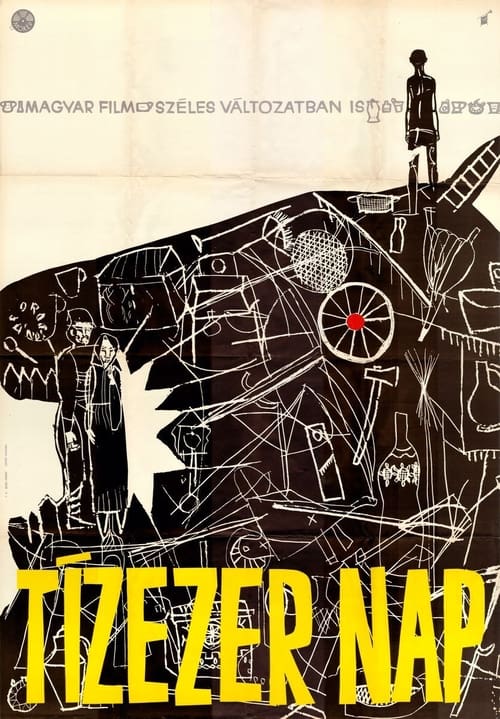
Ten Thousand Days
1967
No user ratings available yet
Representation score: 4.3 out of 10
Representation Score
Good
1973
Not RatedDirector
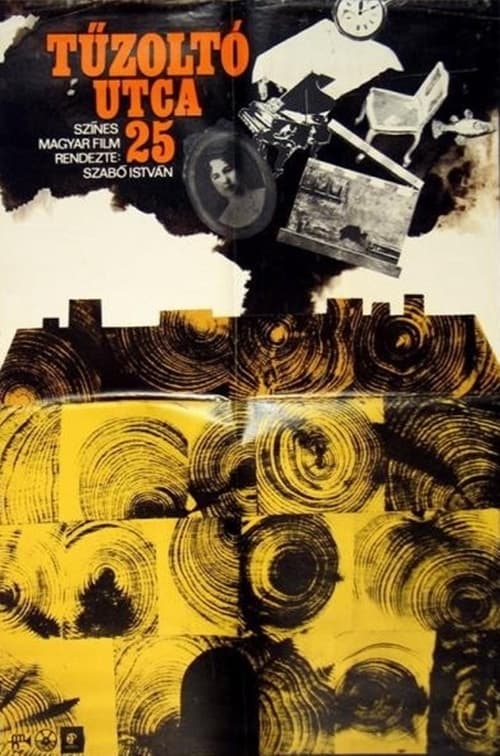
István Szabó
Runtime
97 minutes
Average Rating
No ratings yetNew Showbiz Analysis
István Szabó’s work functions as a sophisticated piece of historical deconstruction. Instead of following a standard timeline, the film uses a non-linear, dream-like structure to challenge conventional understandings of political progress and institutional stability. The narrative prioritizes the psychological impact of systemic oppression over grand military movements. By focusing on the residents' haunted pasts, the film examines how shifting political ideologies reshape individual morality and personal ability to act. While the historical setting limits ethnic diversity, the film remains intellectually progressive. It uses the metaphor of a looming wrecking ball to represent the dismantling of old social orders and the fragility of human autonomy.
Category Breakdown
The film explores aching sensuality and intimate human connections amidst political upheaval. Dream-like imagery suggests a nuanced approach to desire that goes beyond rigid social structures.
The narrative focuses on the internal, emotional lives of residents, often centering women navigating catastrophic loss. This highlights domestic and psychological ability to act, disrupting traditional masculine-centric historical narratives.
As a Hungarian production, the cast is largely ethnically homogeneous. However, the film addresses racial hierarchies by exploring pre-war prejudice and the impact of occupying Nazi forces.
The film offers high thematic complexity by critiquing the cyclical nature of oppressive institutions like Nazism and Stalinism. It uses nostalgia to deconstruct the stability of the state and family.
There is no specific evidence regarding the portrayal of physical or neurodivergent disabilities within the narrative.
Present on Screen
Limited or Absent
Official Synopsis
On one hot summer night, the residents of a Hungarian apartment house slated for demolition restlessly revisit their haunted pasts as they face an uncertain future. In a gently turning kaleidoscope of dream imagery, regret-laden nostalgia and painstakingly intimate detail, the looming wrecking ball pales in significance to the accumulated experiences each dreamer revisits. Pre-war prejudice, occupying Nazis and Stalinist deprivations all come and go as each tenant’s backward glance yields moments of aching sensuality, infectious exuberance and catastrophic loss.
1967
1975

1970
1959

2001

1984

1979
1957
No reviews yet. Be the first to share your thoughts on this movie!
Use the rating form above to leave a star rating and optional review.