Violence
2015
No user ratings available yet
Representation score: 7.9 out of 10
Representation Score
Excellent
2016
TV-MADirector
Rober Calzadilla
Runtime
99 minutes
Average Rating
No ratings yetNew Showbiz Analysis
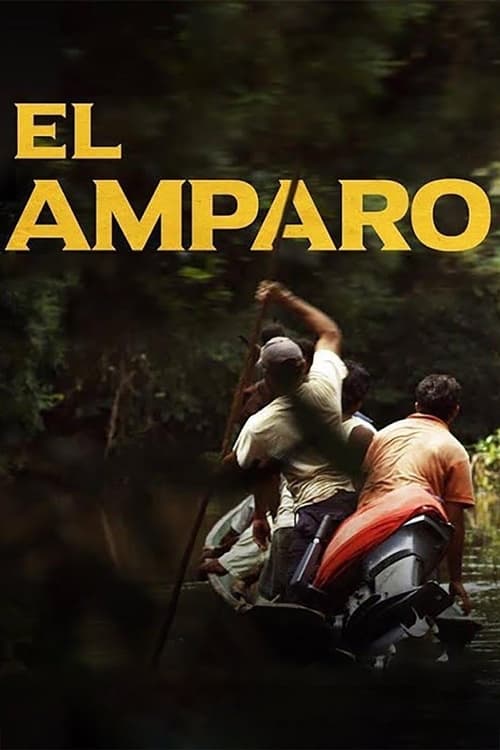
El Amparo is a powerful social critique that dismantles state power by elevating underrepresented voices. It successfully challenges traditional hierarchies by focusing on those living on the periphery of institutional control. The film excels in its portrayal of gender and cultural identity, subverting male-dominated leadership clichés and questioning the legitimacy of state-sanctioned narratives. It provides a sophisticated look at the breakdown of social order. However, the film remains neutral regarding LGBTQ+ representation and lacks specific focus on disability.
Category Breakdown
The film does not include explicit depictions of non-straight or non-cisgender identities or intimate relationships between people of the same sex. There are no specific character arcs or critiques of the assumption that everyone is straight or cisgender.
The film challenges traditional gender roles by centering women as key figures in navigating survival. Instead of domestic roles, the narrative emphasizes their intellectual and physical resilience against state-sanctioned violence.
The film focuses on non-Western identities by highlighting the Venezuelan and Colombian borderlands. It offers a nuanced look at ethnic and class-based struggles within a post-colonial context.
The film critiques Western-style state institutions, portraying the military as a source of oppression. It questions official versions of truth and the failure of centralized state-run systems.
The film does not center characters with visible disabilities. While it explores the physical toll of survival, it lacks specific evidence of neurodivergent or physically disabled characters.
Present on Screen
Limited or Absent
Official Synopsis
On the border of Venezuela with Colombia, during the late 80's, two men survive an armed assault near the Arauca River, in which fourteen of their companions end up dead. The Army accuses them of being guerrilla fighters and tries via intimidation to seize them from the cell where they are being watched over by the local police officer and by the entire village. They say they are simple fishermen, but pressure to yield to the official version is overwhelming.
2015
2020
2011
2018

2007
2015

2015
2015
No reviews yet. Be the first to share your thoughts on this movie!
Use the rating form above to leave a star rating and optional review.