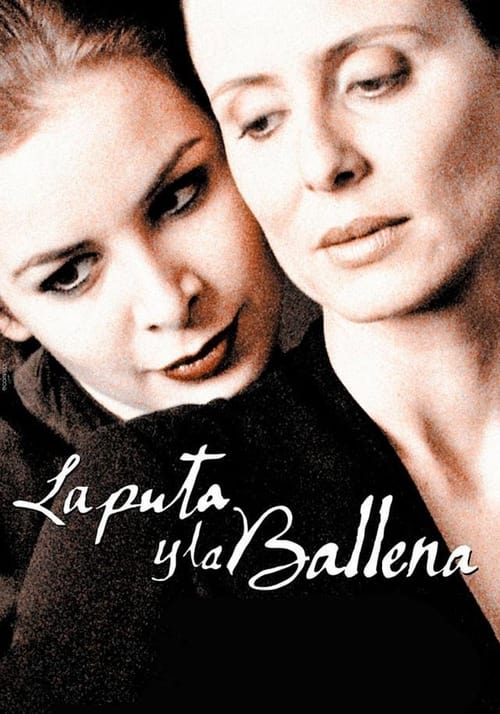
The Whore and the Whale
2004
No user ratings available yet
Diversity score: 6.2 out of 10

2010
Director
Diego Lerman
Runtime
97 minutes
Average Rating
No ratings yetSynopsis
A teaching assistant at a private Buenos Aires school begins obsessively spying on her students in the early 1980s, as the public rises up against the military dictatorship.
Overall Score
Fair
Category Breakdown
LGBTQ+ Representation
The film explores intense, unconventional interpersonal connections through a voyeuristic lens. However, there is limited evidence of explicit queer narratives or non-heteronormative identities.
Gender Representation
A female protagonist drives the narrative, exercising significant psychological agency. Her role as an observer subverts the traditional male-driven gaze often found in political dramas.
Racial & Ethnic Diversity
The setting reflects the demographic reality of the Argentine middle and upper classes in the 1980s. The story touches on collective identity through public social uprisings.
Religious & Cultural Diversity
The film offers a strong critique of Western power structures and state institutions. It portrays the tension between individual agency and an oppressive military dictatorship.
Disability Representation
There are no identifiable characters or plot points centered on physical or neurodivergent disabilities.
Strengths
Areas for Improvement
AI Analysis
The film functions as a sophisticated period drama that uses the lens of a teaching assistant to bridge private obsession with public political resistance. It succeeds in disrupting traditional hierarchies by centering a woman's internal psychological state during a time of national upheaval. While the narrative excels at systemic critique and exploring social stratification, it lacks specific evidence regarding queer identities or disability representation. The focus remains primarily on the intersection of individual voyeurism and the broader struggle against authoritarianism.
2004
1999

2016
2025
2017

1969
1984

2012

2018

2017

2015

2014
No reviews yet. Be the first to share your thoughts on this movie!
Use the rating form above to leave a star rating and optional review.