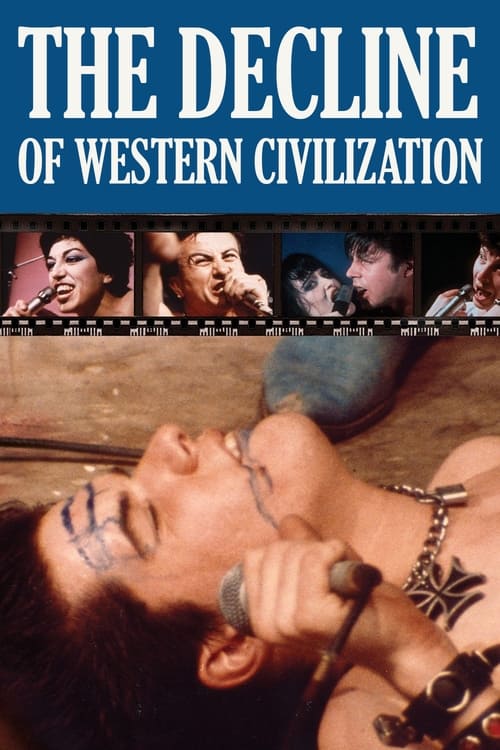
The Decline of Western Civilization
1981
No user ratings available yet
Representation score: 9.2 out of 10

Representation Score
Excellent
1998
RDirector
Penelope Spheeris
Runtime
86 minutes
Average Rating
No ratings yetNew Showbiz Analysis
Penelope Spheeris uses her expertise in documenting underrepresented subcultures to offer a raw, unbiased look at the Los Angeles underground. The film excels in critiquing mainstream Western institutions by centering the voices of those living on the socioeconomic fringes. While the documentary captures a multicultural landscape and challenges gender hierarchies through female performers, it lacks specific narratives focused on LGBTQ+ and disability groups. These elements appear more as incidental observations of subcultural life rather than intentional, character-focused representations. Ultimately, the film's strength lies in its cultural critique and its organic portrayal of a diverse, anti-establishment community, even when it lacks deep focus on specific underrepresented identities.
Category Breakdown
The film captures the dynamic social interactions of 1990s underground music scenes. Though it doesn't focus on specific LGBTQ narratives, it portrays non-traditional gender expressions and behaviors within punk and industrial subcultures.
The documentary disrupts traditional gender roles by giving significant screen time to female musicians. It highlights women asserting authority through their art, challenging conventional views of femininity and leadership.
Reflecting the demographics of Los Angeles, the film features a diverse range of participants. The multicultural landscape of musicians and fans avoids the homogeneity often found in mainstream media of the time.
The film offers a critical look at mainstream Western institutions by focusing on the perspectives of those on the socioeconomic fringes. It frames the rejection of traditional authority as a form of legitimate expression.
The film provides visibility to individuals dealing with mental health issues and neurodivergent traits. However, these depictions are primarily observational and linked to themes of social isolation rather than showcasing individual empowerment.
Present on Screen
Limited or Absent
Official Synopsis
A musical study of Los Angeles in the late 90s, where homeless teens roam the streets and profess to live a punk lifestyle of music, drugs, and flouting authority.
1981

2000

1988

2007

1999

1978

1993

2005
No reviews yet. Be the first to share your thoughts on this movie!
Use the rating form above to leave a star rating and optional review.