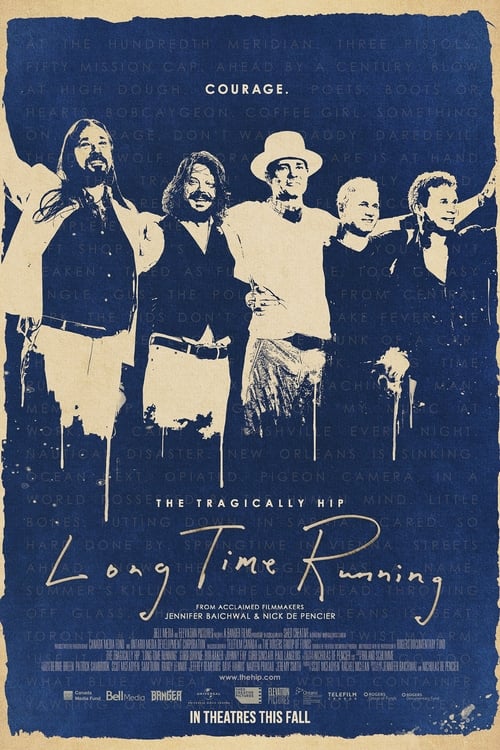
The Tragically Hip - Long Time Running
2017
No user ratings available yet
Representation score: 6.0 out of 10

Representation Score
Good
2016
TV-14Director
Paul Dugdale
Runtime
105 minutes
Average Rating
No ratings yetNew Showbiz Analysis
The documentary serves as a musical travelogue that achieves cultural diversity through its geographic scope. By setting the tour in Latin America, it naturally highlights diverse ethnic groups and non-Western settings. However, the film remains tied to traditional music industry structures. It lacks nuanced representation of gender, LGBTQ+ identities, and disability, focusing instead on the legacy of the rock ensemble. Ultimately, the work is culturally expansive in its setting but conventional in its portrayal of characters, reflecting a geographical shift rather than a shift in social commentary.
Category Breakdown
The film does not include specific storylines focused on LGBTQ+ identity. While diverse crowds are shown, the camera focuses on performers and the energy of the venue rather than individual stories centered around LGBTQ+ identity.
The narrative centers on a traditionally male-dominated rock band. Although the audience seems balanced, the focus remains on male performers, emphasizing their roles and influence.
The film achieves high scores by setting the tour in Latin American locations. Crowds and environments are predominantly non-white, especially during a concert in Havana.
The documentary breaks away from typical Western concert circuits by focusing on non-Western geographies. The Havana performance highlights geopolitical complexities and showcases non-Western cultural aesthetics.
The film does not focus on neurodivergence or physical disabilities. The fast-paced visuals prioritize able-bodied movements and sensory-heavy environments.
Present on Screen
Limited or Absent
Official Synopsis
This exhilarating rock 'n' roll road movie follows The Rolling Stones on their 2016 tour of Latin America, climaxing with their historic concert in Havana, Cuba.
2017

2021

2020

2016

2015
2018

2012

2019
No reviews yet. Be the first to share your thoughts on this movie!
Use the rating form above to leave a star rating and optional review.