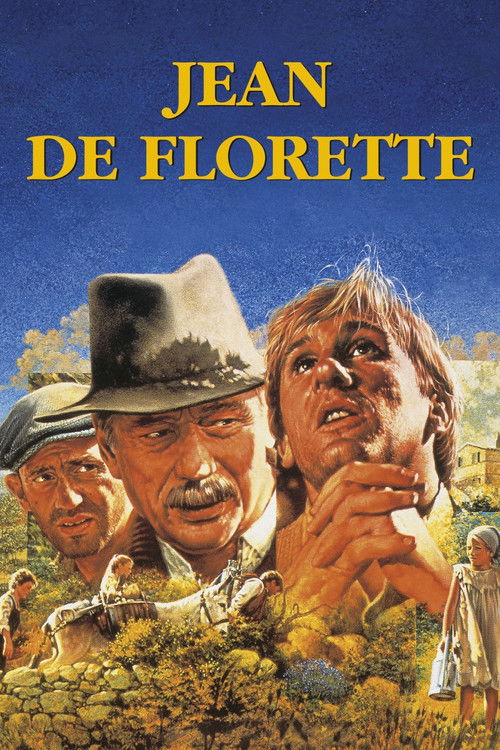
Jean de Florette
1986
No user ratings available yet
Representation score: 1.1 out of 10
Representation Score
Limited
1986
PGDirector
Claude Berri
Runtime
115 minutes
Average Rating
No ratings yetNew Showbiz Analysis
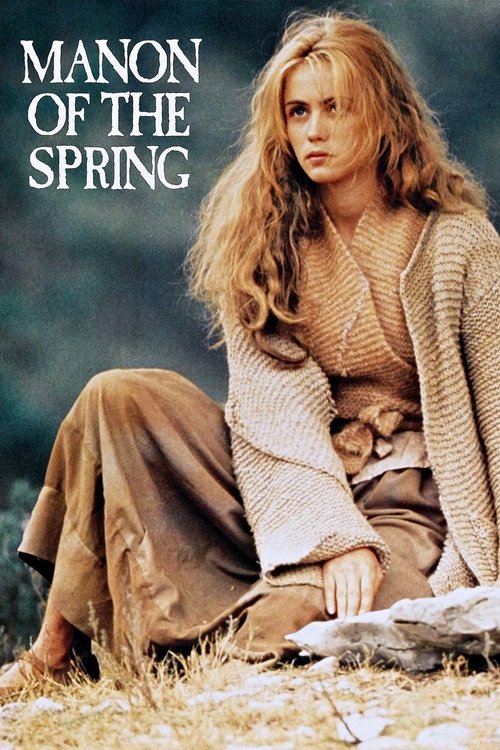
Manon of the Spring is a sophisticated study of class-based power dynamics and gendered resilience. It succeeds by centering women's ability to drive the story and deconstructing traditional authority within a rigid social hierarchy. However, the film lacks modern markers of diversity. The setting results in a homogeneous population with no representation of LGBTQ+ identities or diverse ethnic backgrounds. Ultimately, the work's value lies in its critique of systemic inequities and the individual's struggle against institutionalized social control in rural capitalism.
Category Breakdown
The film follows the straight-centered social structures of its early 20th-century rural setting. There is no clear presence of non-straight relationships or same-sex intimacy.
Manon serves as the main driver of the plot, using her intelligence to challenge a patriarchal system. The story highlights women's ability to drive the story and resist systemic oppression.
The narrative depicts a relatively homogeneous population within the Provencal countryside. It lacks intentional racial blending, focusing instead on the class dynamics of the French peasantry.
The film critiques traditional institutions by portraying clergy and elders as agents of social policing. It frames the struggle for land and capital as a corrupting force.
There is no significant or central depiction of visible or invisible disabilities within the primary character arcs.
Present on Screen
Limited or Absent
Official Synopsis
In this, the sequel to Jean de Florette, Manon has grown into a beautiful young shepherdess living in the idyllic Provencal countryside. She plots vengeance on the men who greedily conspired to acquire her father's land years earlier.
1986
1990
1953
1978

1959
1971
2004

1963
No reviews yet. Be the first to share your thoughts on this movie!
Use the rating form above to leave a star rating and optional review.