The Prime Time
1960
No user ratings available yet
Representation score: 3.1 out of 10
Representation Score
Fair
1970
NC-17Director
Lindsay Shonteff
Runtime
90 minutes
Average Rating
No ratings yetNew Showbiz Analysis
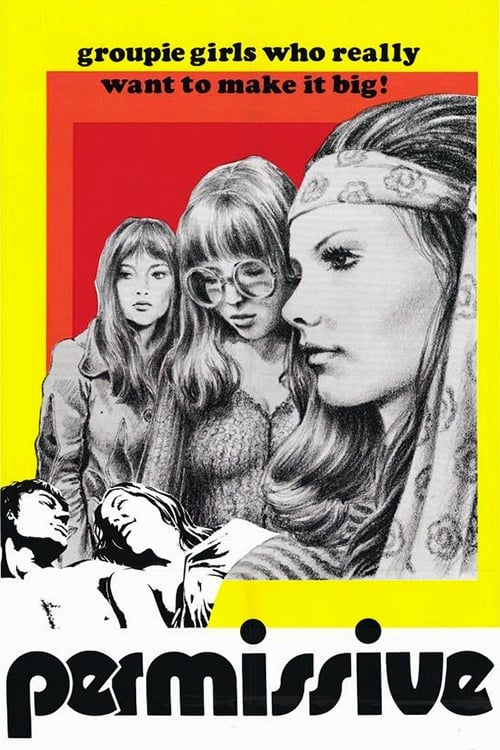
Permissive functions as a product of the 1970s 'permissive' era, focusing on the deconstruction of traditional social and moral structures. It succeeds in challenging mid-century social constraints through themes of sexual liberation. However, the film's impact is limited by a lack of multi-layered depth, focusing heavily on heterosexual themes and likely reflecting the racial homogeneity common in British exploitation films of that period.
Category Breakdown
The film centers on heterosexual relationships within the groupie subculture and does not feature any explicitly queer-coded characters or non-cisgender identities.
Suzy navigates a harsh world of sex and drugs without succumbing to traditional submissive femininity, suggesting she plays a significant role in driving the story.
The film likely features a predominantly white cast, reflecting the racial homogeneity common in 1970s British exploitation cinema.
The story prioritizes moral relativism over traditional Christian values, engaging with the era's shift toward secularism and the questioning of social hierarchies.
There is no mention of characters with visible or invisible disabilities.
Present on Screen
Limited or Absent
Official Synopsis
When Suzy arrives in London to visit an old school friend, she is unwittingly plunged into the ruthless world of the 'groupie'. Fuelled by sex, drugs and jealousy, her new lifestyle fosters in her a cold, cynical instinct for survival. But tragedy is never far away.
1960

1977
1970

1981

2011
1986

1968

1979
No reviews yet. Be the first to share your thoughts on this movie!
Use the rating form above to leave a star rating and optional review.