
Baby(a)lone
2015
No user ratings available yet
Diversity score: 5.4 out of 10
1970
Director
Franz Ernst
Runtime
97 minutes
Average Rating
No ratings yetSynopsis
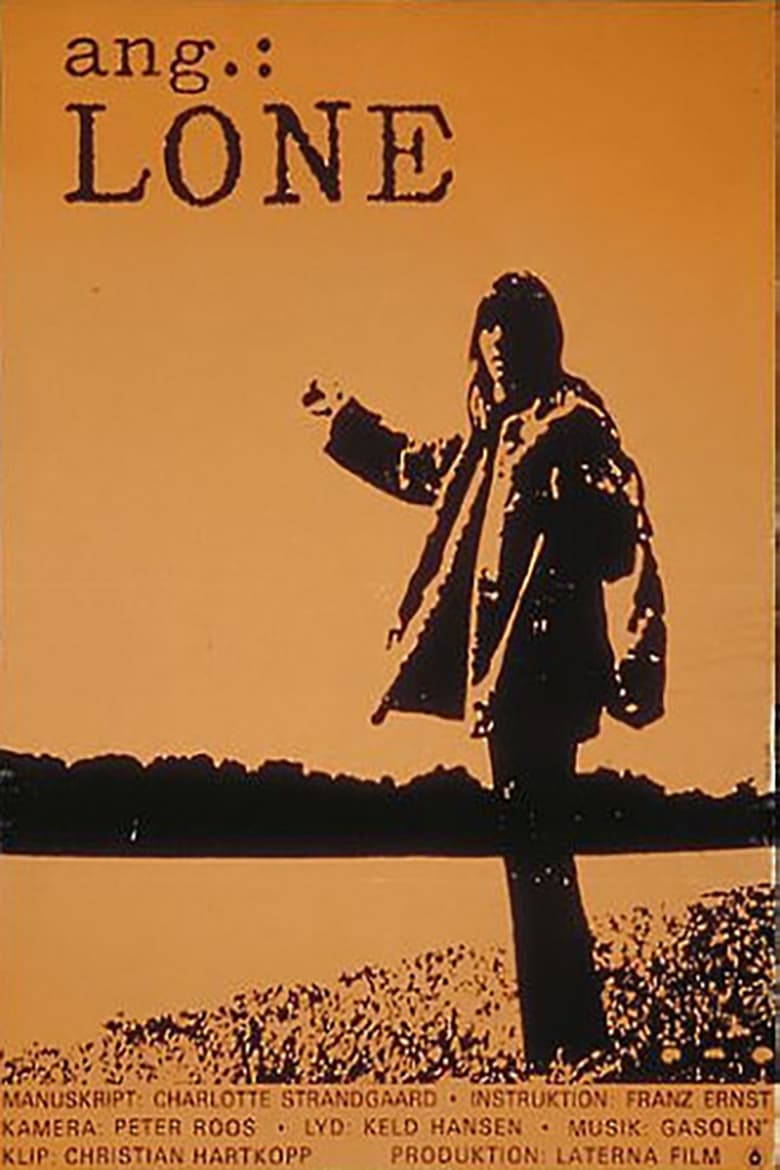
'Ang.: Lone' is a sort of social realist 'rebellious teen movie'. It tells the story of a troubled, emotionally confused, and defiant 16-year-old girl called Lone. Lone runs away from a girls' home in Jutland and travels to the home of her foster parents. Her visit quickly gives rise to a conflict so she travels onward to Copenhagen. In Copenhagen she enters into lower and middle class milieus and the hippiesque underground, but she runs away from each of these because she manages to start conflicts with most people by acting aggressively aggrieved. Lone finds a boyfriend and becomes pregnant during the couple of months she spends in Copenhagen before she is found and placed in a mothers' home which she eventually runs away from in order to have an illegal abortion.
Overall Score
Fair
Category Breakdown
LGBTQ+ Representation
The story focuses on heteronormative romance through Lone's relationship with a boyfriend. While the hippiesque underground setting suggests a space for challenging norms, no specific queer identities are present.
Gender Representation
Lone serves as a defiant protagonist who rejects traditional feminine passivity. Her aggression and refusal to submit to state institutions center female agency through social disruption.
Racial & Ethnic Diversity
The film reflects the homogeneous demographic of 1970s Denmark. There is no evidence of non-white casting or significant racial diversity within the social realist setting.
Religious & Cultural Diversity
The narrative critiques traditional Western institutions and state-run care. It prioritizes individual autonomy and moral relativism over religious or conservative social structures.
Disability Representation
The film provides no specific information or representation regarding physical, sensory, or neurodivergent disabilities.
Strengths
Areas for Improvement
AI Analysis
Ang. Lone is a gritty exploration of teenage rebellion that succeeds in subverting gendered expectations. By centering a female lead who actively destabilizes her environment, the film avoids the trap of portraying women as passive victims of their circumstances. However, the film's social scope is limited by its era. The lack of racial and LGBTQ+ representation keeps the diversity score moderate, reflecting the homogeneous Danish landscape of the 1970s. Ultimately, the film's strength lies in its cultural critique. It uses Lone's journey to challenge the authority of the family unit and state institutions, favoring personal autonomy over systemic control.
2015
2022

2012

1973
1960

1973

2008

1970
2023
2003

2005

1976
No reviews yet. Be the first to share your thoughts on this movie!
Use the rating form above to leave a star rating and optional review.