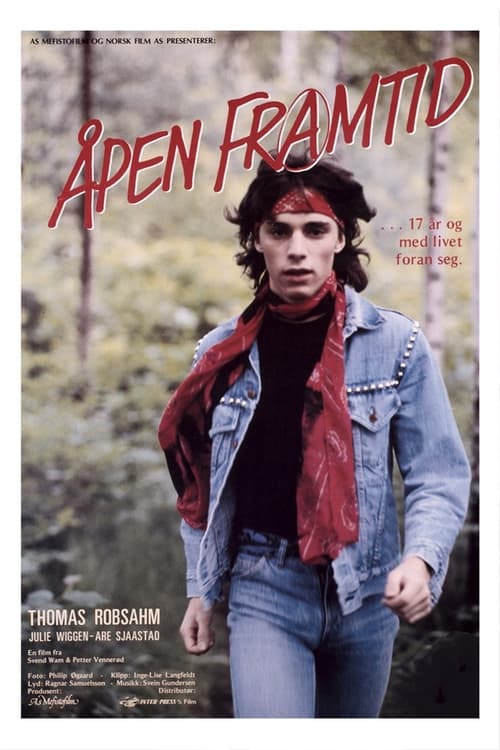
Open Future
1983
No user ratings available yet
Representation score: 4.5 out of 10
Representation Score
Fair
2005
Director
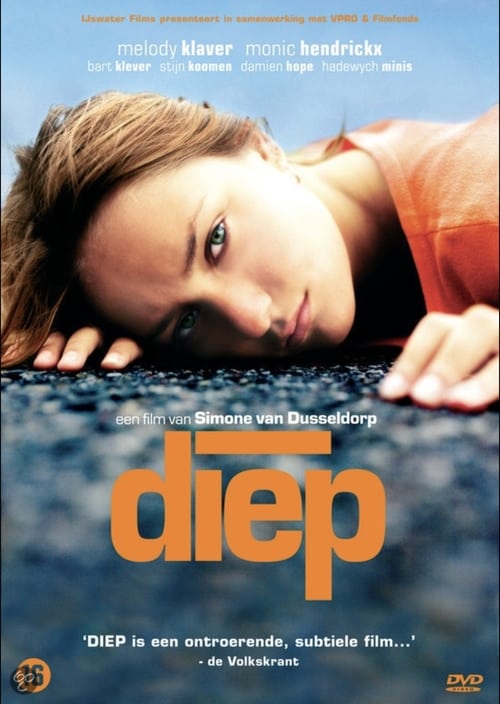
Simone van Dusseldorp
Runtime
83 minutes
Average Rating
No ratings yetNew Showbiz Analysis
Diep is a character-driven coming-of-age drama that emphasizes psychological depth and individual ability to act. The film uses the social shifts of the 1970s to explore the breakdown of the traditional nuclear family through the eyes of a young girl. While the film excels at portraying female independence and the deconstruction of social norms, it lacks broad demographic variety. The focus remains tightly on the protagonist's personal development and the specific cultural atmosphere of the era. Ultimately, the film serves as a study of systemic social change, favoring thematic complexity over diverse representation of race or disability.
Category Breakdown
The film touches on themes of sexual discovery and adolescent exploration. However, it does not explicitly confirm specific queer identities or non-straight character arcs.
The story focuses on a female protagonist's independence and internal struggles. It challenges traditional passive stereotypes by emphasizing Heleen's independent journey through a changing world.
The narrative seems to reflect the demographic realities of the 1970s. It suggests a more homogeneous social environment typical of period-specific European dramas.
The film examines the deconstruction of Western institutions and traditional family structures. It portrays adolescent rebellion as a journey toward self-discovery.
There is no mention of characters navigating physical or neurodivergent disabilities within the narrative.
Present on Screen
Limited or Absent
Official Synopsis
A story about the 14 year old Heleen who makes the transition of child to adult with pain and effort in the wild 70s. While her parents going to divorce she is exploring the world of sex, drugs and love on her own.
1983
1981

2009

2013

2010

2024

1990
2000
No reviews yet. Be the first to share your thoughts on this movie!
Use the rating form above to leave a star rating and optional review.