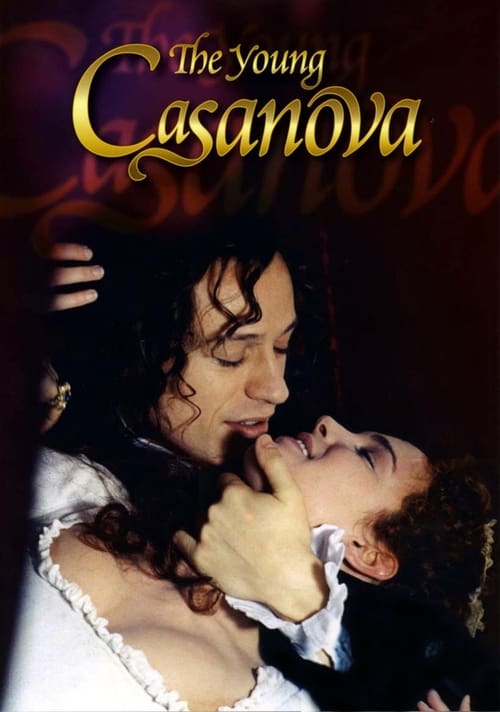
The Young Casanova
2002
No user ratings available yet
Representation score: 1.4 out of 10
Representation Score
Fair
1999
Director
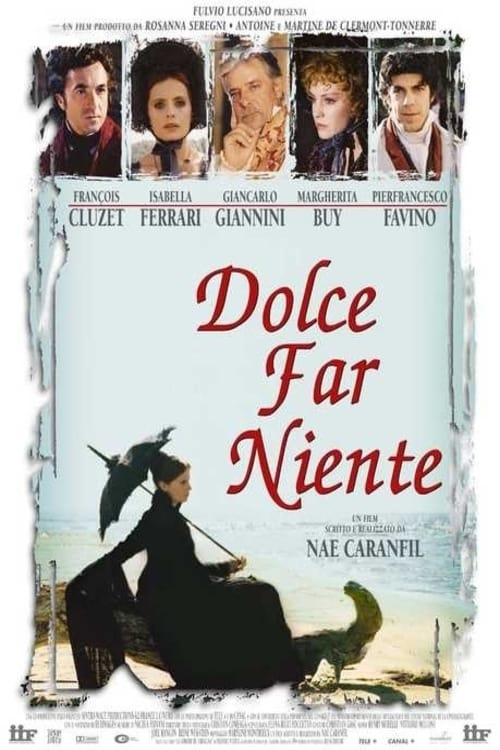
Nae Caranfil
Runtime
119 minutes
Average Rating
No ratings yetNew Showbiz Analysis
Sweet Idleness primarily serves as a character study grounded in historical romanticism. It prioritizes the psychological intricacies of human connections and individual control over disrupting societal hierarchies. The film adheres to the conventional boundaries of the period drama genre. It centers on emotional authenticity and the personal journey of Henri Beyle, rather than offering subversive social commentary or modern identity politics. While the film delves into the internal lives of its characters, it does not explicitly represent diverse identities or critique established social structures.
Category Breakdown
The story focuses on the romantic relationship between Henri Beyle and Giuseppina. There is no clear indication of LGBTQ+ identities or a critique of the assumption that everyone is straight or cisgender.
The film examines the inner lives and emotions of both men and women. This exploration of psychological depth suggests a move towards more nuanced gender interactions rather than one-dimensional stereotypes.
Set in Italy, the film is situated within a European historical context. While the wanderer cliché allows for cultural diversity, the overall setting appears predominantly Eurocentric.
The story emphasizes individual pursuits and classical romantic ideals. It focuses on the life of a historical figure without deconstructing traditional social or religious structures.
There is no evidence suggesting that disability, neurodivergence, or chronic illness play a central role in the character arcs or the narrative.
Present on Screen
Limited or Absent
Official Synopsis
This movie depicts the two years that young Stendhal spent in Italy. Stendhal, that time still known simply as Henri Beyle, is living the life of a wanderer, looking for a direction in his life, meeting famous Rossini and falling in love with young widow Giuseppina. A story of love, betrayal and an analysis of women and men's minds and souls.
2002
1987
1973
1993
1980
1999
2023
2004
No reviews yet. Be the first to share your thoughts on this movie!
Use the rating form above to leave a star rating and optional review.