Oblomov
1980
No user ratings available yet
Representation score: 4.6 out of 10
Representation Score
Minimal
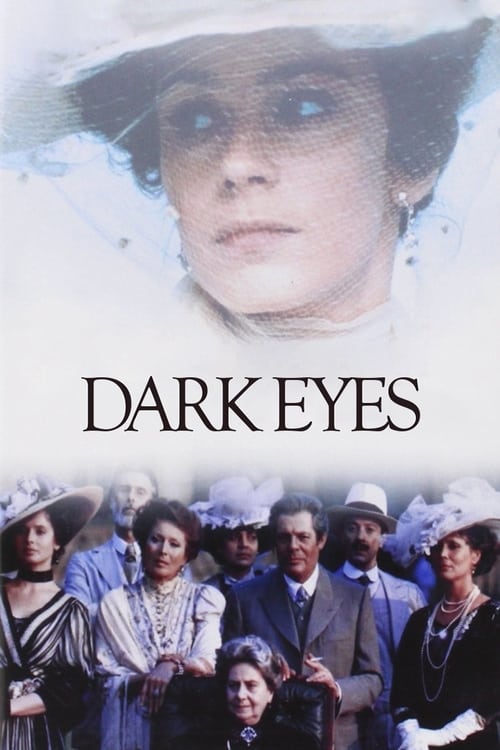
1987
Director
Nikita Mikhalkov
Runtime
121 minutes
Average Rating
No ratings yetNew Showbiz Analysis
Dark Eyes is a lyrical exploration of memory and desire, but its narrative structure is rooted in traditionalist, nostalgic frameworks. It prioritizes poetic realism and sensory beauty over disrupting social hierarchies or exploring multi-layered complexity. The film functions as a character study of universal human emotions, yet it lacks progressive representation. By relying on conventional gender roles and a homogenous social landscape, it avoids engaging with modern social complexities. Ultimately, the work celebrates a specific, localized cultural identity. It does not seek to deconstruct systemic oppression or provide nuanced ability to act for underrepresented groups.
Category Breakdown
The film does not include any LGBTQ+ characters or stories that explore non-straight relationships. Its emotional core focuses entirely on traditional romantic longing and heterosexual attraction.
Women are primarily portrayed as objects of aesthetic or romantic desire rather than active participants. While the film avoids aggressive misogyny, it adheres to traditional gender roles and hierarchies.
The social landscape remains largely homogeneous with no intentional mixing of ethnicities. Character archetypes reinforce a specific, localized cultural identity rather than a multi-ethnic structure.
The narrative leans into traditionalist sentimentality and an idealized view of memory. It avoids critiques of institutions, focusing instead on the continuity of life and emotion.
There are no visible or invisible disabilities portrayed as central to the character arcs or the film's narrative development.
Present on Screen
Limited or Absent
Official Synopsis
Aboard a ship early in the 20th-century, a middle-aged Italian tells his story of love to a Russian.
1980

1998
1985
1934
1990
1938
1981
1971
No reviews yet. Be the first to share your thoughts on this movie!
Use the rating form above to leave a star rating and optional review.