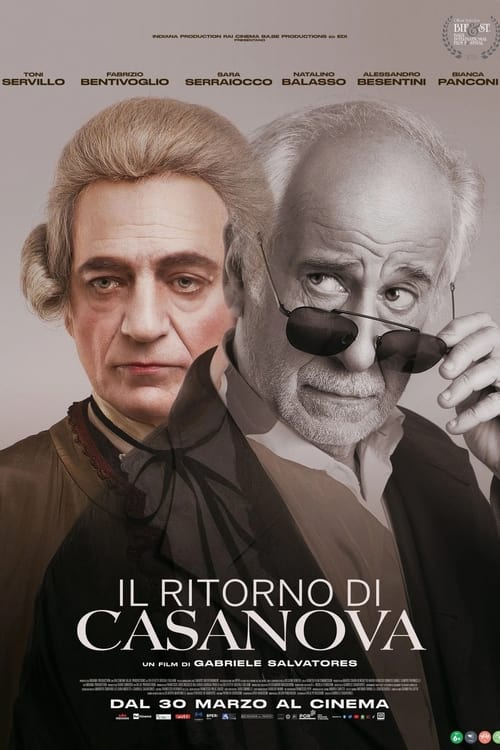
The Return of Casanova
1992
No user ratings available yet
Representation score: 2.5 out of 10
Representation Score
Fair
2023
Director
Gabriele Salvatores
Runtime
95 minutes
Average Rating
No ratings yetNew Showbiz Analysis
Casanova's Return is an intellectually progressive film that deconstructs the classic seducer archetype. It replaces the myth of romantic conquest with a tragic, existential confrontation with aging and obsolescence. The film successfully challenges traditional masculine power and the 'great man' narrative. It uses parallels between the director and his character to critique the pursuit of legacy and artistic authority. However, the work remains within a traditionally European framework. The setting and cultural lineage are highly specific, limiting broader racial and ethnic diversity.
Category Breakdown
The film examines an older man's declining libido and sexual appeal. While it doesn't explicitly confirm non-traditional gender identities, it challenges typical hyper-masculine stereotypes through a detailed exploration of desire.
The story breaks down traditional gender hierarchies by focusing on a male protagonist's loss of dominance. Marcolina serves as a catalyst, shifting the focus from the seducer to the person he desires.
The narrative is set in a specific European context, drawing from Austrian literature and Italian settings. The cast and setting appear to be predominantly of a homogeneous European background.
The film questions the romanticized Western myth of the invincible male adventurer. By showing Casanova as broke and aged, it dismantles the traditional 'great man' and 'auteur' narratives.
There is no specific depiction of physical or neurodivergent disabilities in the narrative.
Present on Screen
Limited or Absent
Official Synopsis
Leo Bernardi is a successful and acclaimed Italian director. He’s approaching the end of his career but he cannot accept his slow decline. He has just finished shooting his last movie and he’s deeply sad. The movie is inspired by the novel about Casanova written by Arthur Schnitzler, a character so similar to the director, even more than he could imagine. Schnitzler’s Casanova is aged, glory days are over: he lost his charm and his attraction to women, he’s broke and no more eager to travel through Europe. After a long exile, he just wants to go back to Venice, his homeland. While traveling home Casanova meets a girl, Marcolina. She reawakens his desire, lost for years. So, he tries to seduce her but that leads him to a tragic understanding: he’s an old man now. It’s not by chance that Leo Bernardi decided to tell this story right now, in a pivotal moment of his life and career. The destiny of both Casanova and his director leads them to a final confrontation.
1992
2013
1996

2001
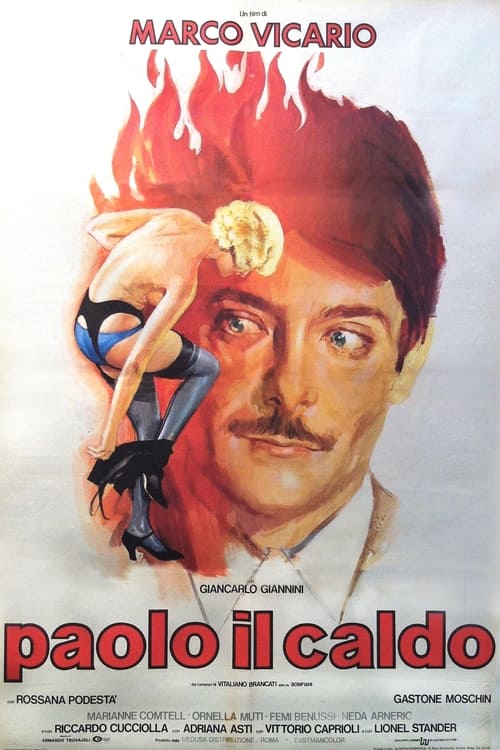
1973
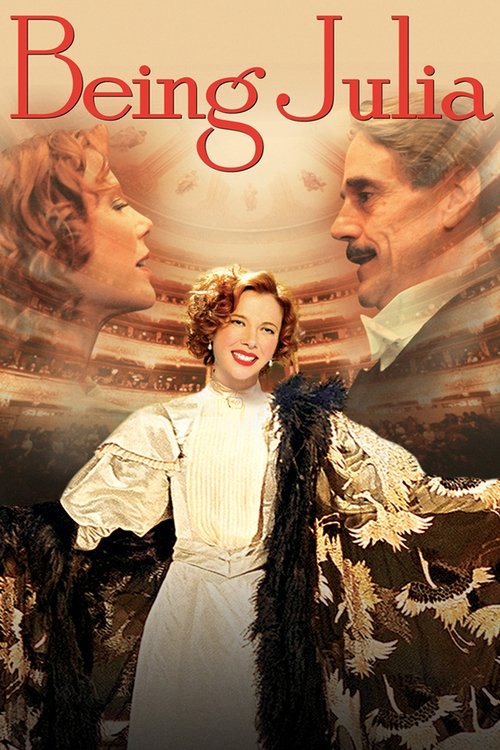
2004
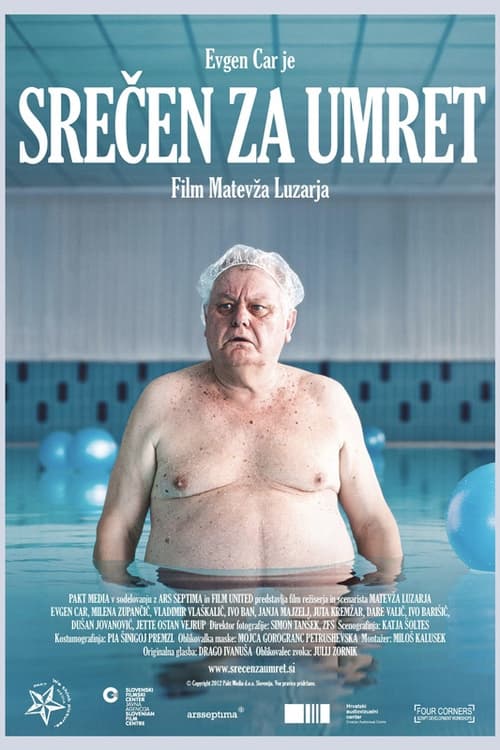
2013
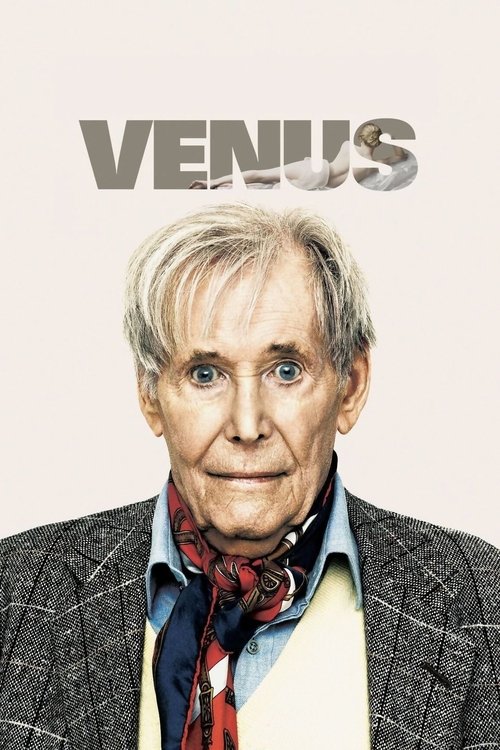
2006
No reviews yet. Be the first to share your thoughts on this movie!
Use the rating form above to leave a star rating and optional review.