
Berlin-Alexanderplatz: The Story of Franz Biberkopf
1931
No user ratings available yet
Representation score: 1.9 out of 10
Representation Score
Limited
1939
NRDirector
Lloyd Bacon
Runtime
81 minutes
Average Rating
No ratings yetNew Showbiz Analysis
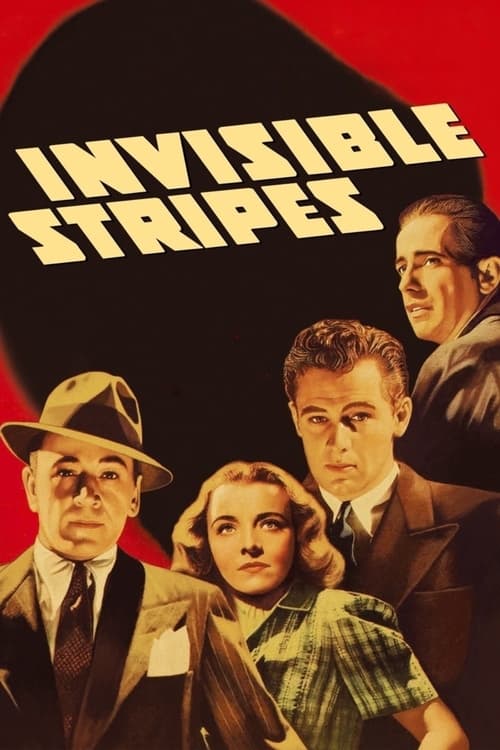
Invisible Stripes serves as a quintessential 1930s social melodrama, providing a nuanced look at the socioeconomic difficulties of post-prison life and critiquing institutional corruption. It offers a skeptical view of authority. However, the film remains rooted in the traditional hierarchies of its era, focusing on a white-centric narrative with conventional gender roles. It lacks engagement with modern multi-layered frameworks. Ultimately, Invisible Stripes is a representative work of the Depression-era studio system rather than a progressive departure from its social norms.
Category Breakdown
The film adheres strictly to the assumption that everyone is straight or cisgender. There are no queer narratives or non-cisgender identities present in the character dynamics.
Women play primarily supportive roles within the domestic sphere, functioning as emotional anchors rather than active participants in the plot.
The cast is predominantly homogeneous, lacking meaningful ethnic diversity. The story centers on a localized, white-centric experience of the American legal system.
The film critiques the flawed judicial system through individual injustice, but does not address broader systemic issues.
There is no focus on neurodivergence or physical disability. Characters are portrayed as physically and socially capable.
Present on Screen
Limited or Absent
Official Synopsis
A gangster is unable to go straight after returning home from prison.
1931

1941
1939

2012

1927
1940
1924
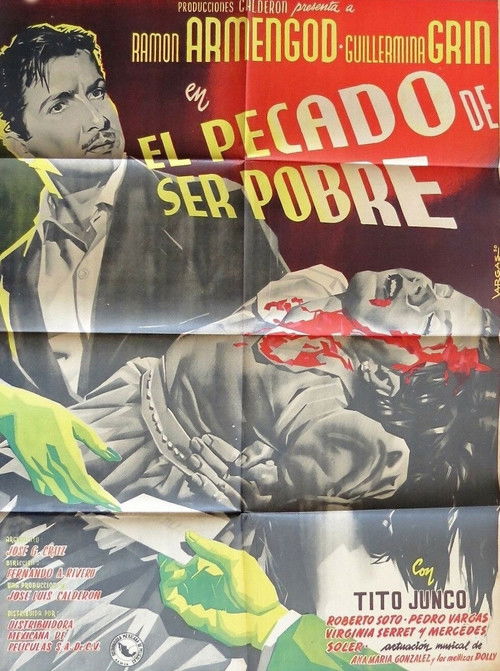
1950
No reviews yet. Be the first to share your thoughts on this movie!
Use the rating form above to leave a star rating and optional review.