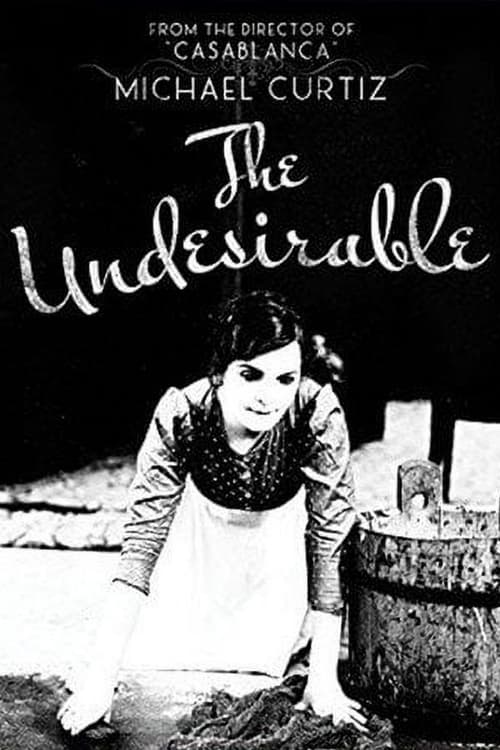
The Undesirable
1915
No user ratings available yet
Diversity score: 2.8 out of 10
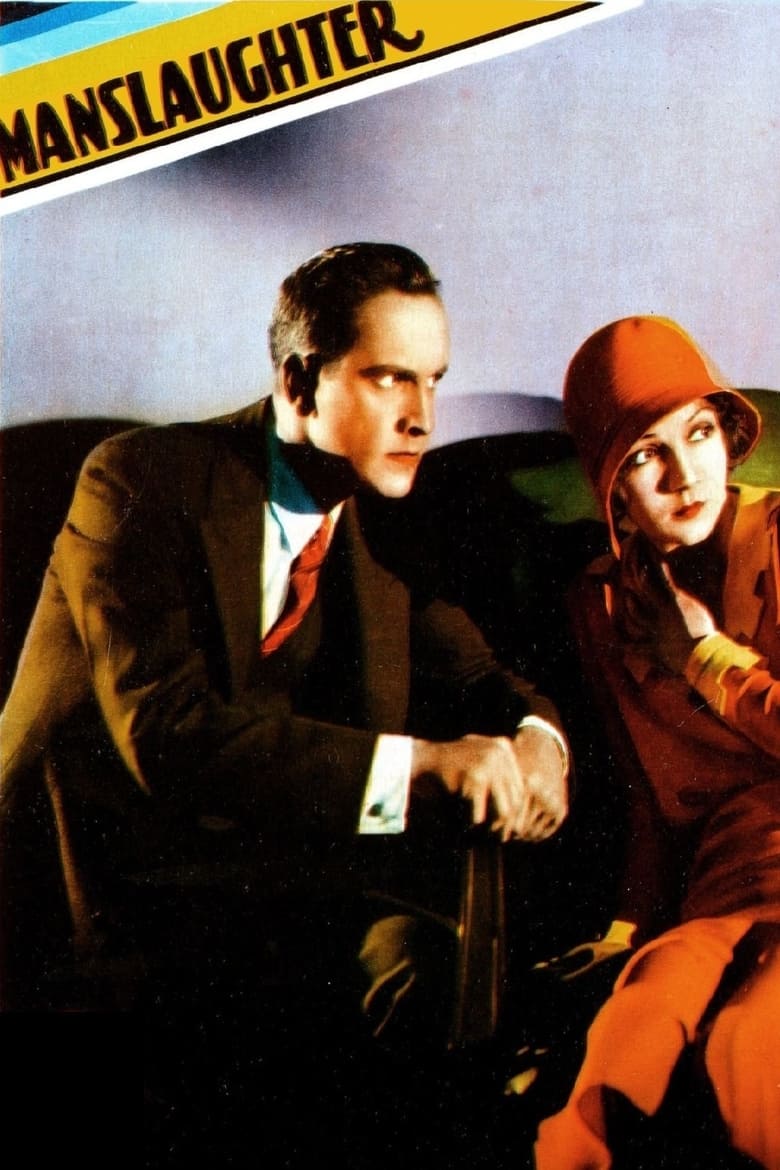
1930
PassedDirector
George Abbott
Runtime
85 minutes
Average Rating
No ratings yetSynopsis
A spoiled young rich girl is sent to prison for accidentally running down a pedestrian. There she learns about a life and people she had never even imagined existed before.
Overall Score
Limited
Category Breakdown
LGBTQ+ Representation
The film focuses on a central romantic and legal drama between a female protagonist and a male counterpart. It adheres to the heteronormative social structures of the early 1930s.
Gender Representation
The female lead undergoes a significant arc of personal growth and agency during her incarceration. However, her development is framed through emotional maturation rather than a disruption of patriarchal norms.
Racial & Ethnic Diversity
The film features a homogeneous cast reflecting the standard urban demographics of the era. There is no evidence of non-white or non-Anglo-Saxon majority casting.
Religious & Cultural Diversity
The narrative explores friction between socioeconomic classes as a wealthy individual enters a carceral environment. This serves as a critique of class-based ignorance rather than a systemic critique.
Disability Representation
The story focuses strictly on the legal and social consequences of an accidental crime. There is no evidence of characters with physical, sensory, or neurodivergent disabilities.
Strengths
Areas for Improvement
AI Analysis
Manslaughter (1930) is a standard Pre-Code social drama that prioritizes personal transformation over social subversion. While the protagonist finds agency through her journey from socialite to prisoner, the film remains rooted in the conventional archetypes and demographic constraints of its time. The film offers a meaningful look at class-based perspective shifts, yet it lacks the intentionality to disrupt established hierarchies. It functions primarily as a redemption arc within a traditional moral framework. Ultimately, the production reflects the homogeneous and heteronormative standards of early sound-era cinema, offering little in the way of intersectional representation.
1915
1939
1931
1934
1930
1929
1931
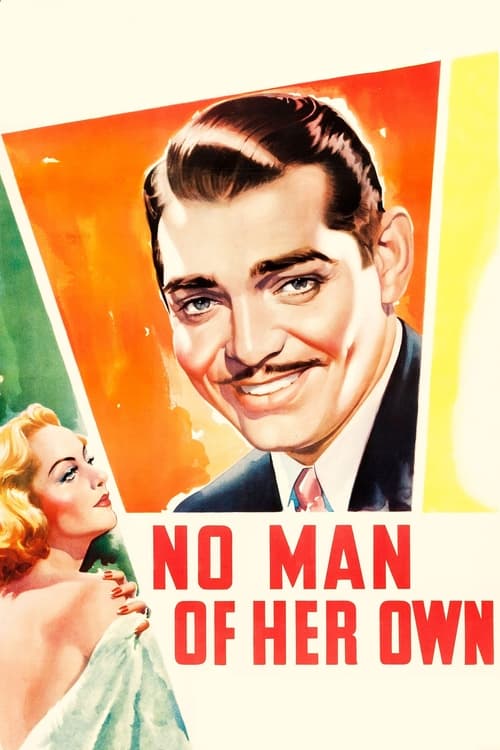
1932
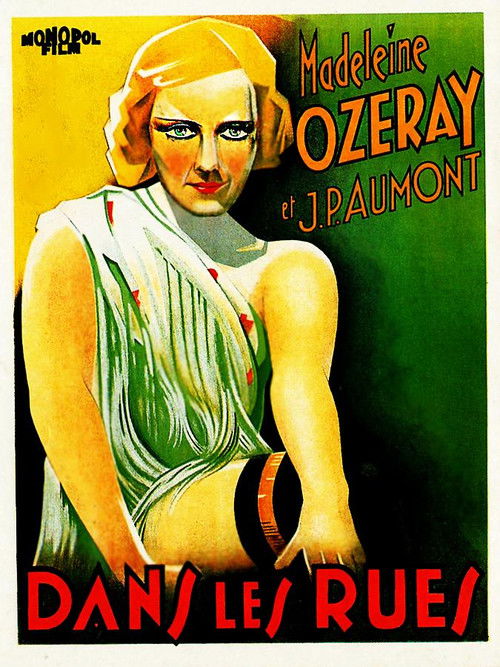
1933

1933
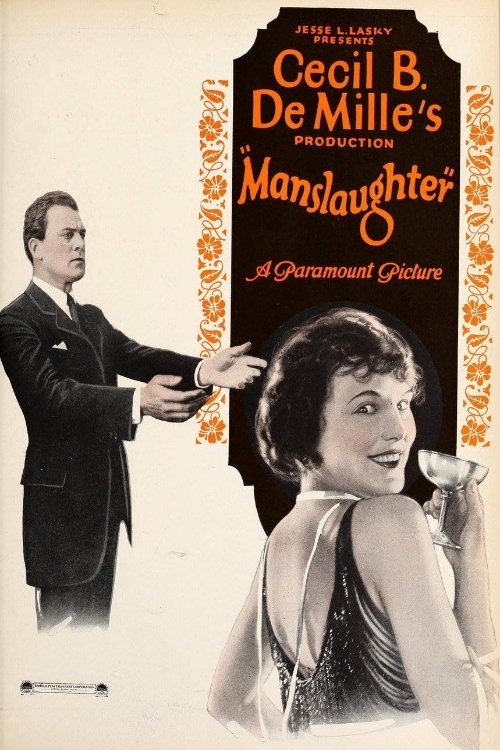
1922
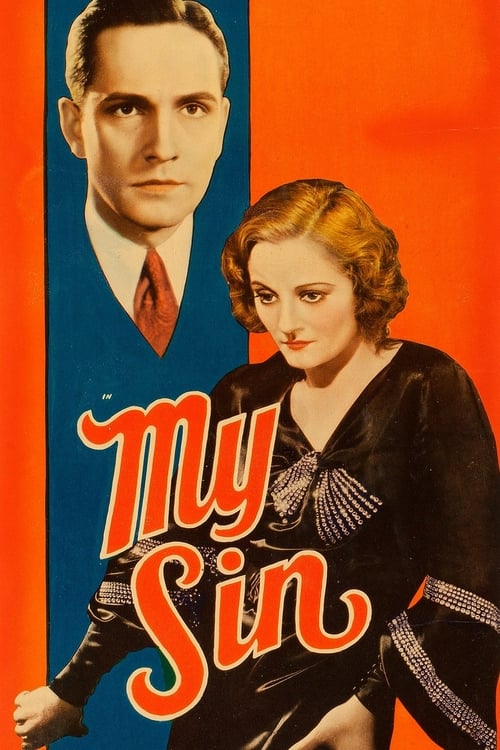
1931
No reviews yet. Be the first to share your thoughts on this movie!
Use the rating form above to leave a star rating and optional review.